


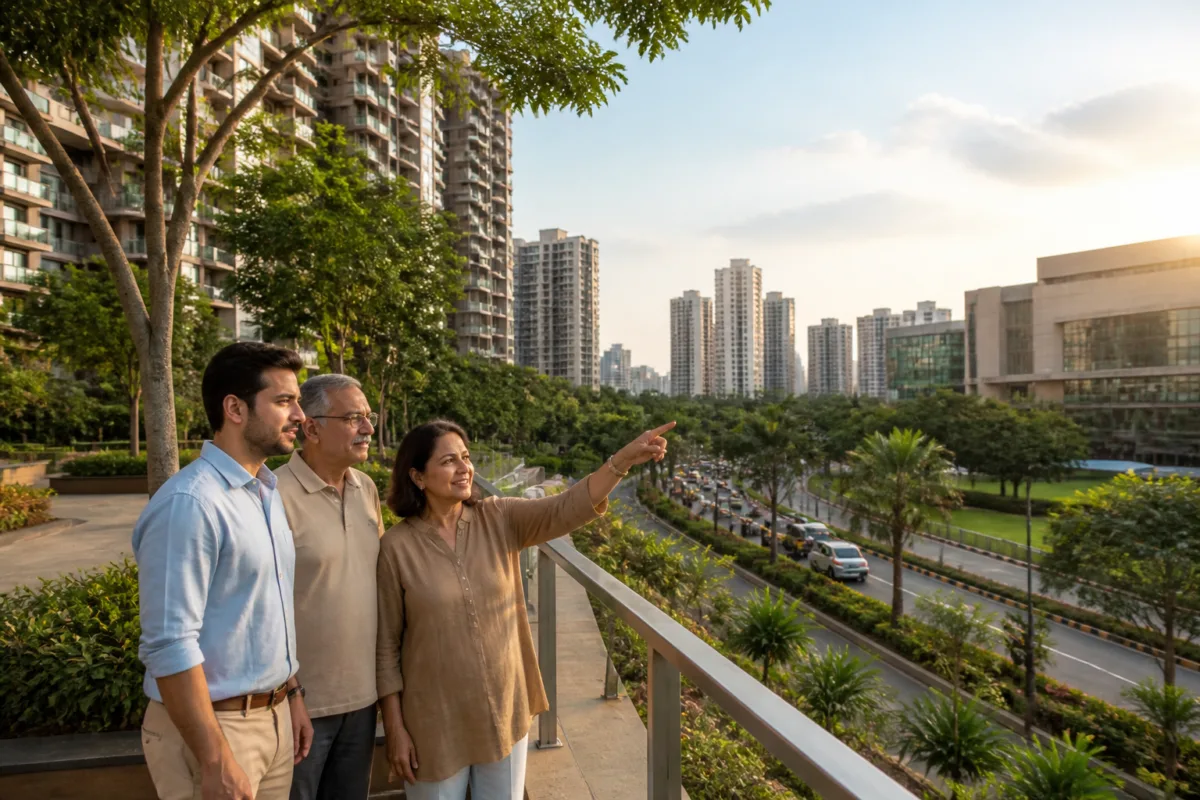
NRI homebuyers are showing a more complicated interest in Indian real estate than the traditional investor narrative suggests. The markets attracting attention—Mumbai, Bengaluru, Delhi-NCR, Pune and Hyderabad—are not being evaluated only for price appreciation or rental returns. Connectivity, construction quality, healthcare access, employment hubs and proximity to family are becoming part of the housing decision.
That shift matters because it changes what a residential property represents. For an overseas Indian, a home in India can remain an asset, but it can also be a future residence, a base for parents, a source of rental income or a way to retain a connection with a familiar city. The purchase therefore sits at the intersection of property investment, family care and urban liveability.
The report by NDTV Business does not provide transaction volumes, city-wise sales figures or a verified measure of how much NRI buying has increased. Its significance lies instead in the preferences it identifies and the way those preferences map onto the structure of India’s major urban markets. The cities named in the report offer different combinations of jobs, transport links, healthcare, social networks and residential supply.
Mumbai illustrates how infrastructure can expand the geography of demand. The Mumbai Metropolitan Region remains a major draw because of the city’s position as India’s financial capital, its international connectivity and the range of residential properties available across the region. Infrastructure development in the MMR is also opening up new residential locations, allowing buyers to consider areas beyond established premium neighbourhoods.
This is an important distinction in a high-cost metropolitan market. The appeal of Mumbai is no longer limited to a small set of traditional central or premium locations. As the region develops, access to the wider metropolitan system becomes part of the housing proposition. For NRI buyers, that can mean assessing not only the property itself but also how reliably it connects to workplaces, airports, family networks and essential services.
Bengaluru represents a different form of demand. Its technology industry and large expatriate community support its appeal among overseas Indians. The report identifies Whitefield, Sarjapur and North Bengaluru as locations drawing buyers interested in long-term potential. These areas are also connected to the city’s employment base, which supports rental demand for buyers considering both investment and eventual personal use.
The Bengaluru example shows why employment geography matters to residential demand. A home can have investment value because it is located near a concentration of jobs, but that same location may also provide a practical option for a family member returning to India. In this model, rental income and future occupation are not separate decisions. They are linked to the city’s ability to sustain employment, movement and everyday services around the housing supply.
Delhi-NCR, particularly Gurugram, is being shaped by a similar combination of economic and family factors. Premium housing developments, the corporate ecosystem and improving connectivity are supporting the region’s appeal to overseas buyers. For NRIs with family connections in the capital region, the possibility of owning a home close to relatives adds another layer to the decision.
The Delhi-NCR case highlights the importance of social geography. Housing choices are not determined only by market indicators. A buyer may also value being near parents, siblings, established communities or familiar institutions. That makes the metropolitan region’s spread of employment and residential districts relevant to more than commuting patterns; it influences how families organise care, visits and long-term residence across borders.
Pune occupies a different position in the reported hierarchy. Its employment opportunities, educational institutions and healthcare facilities are cited as factors supporting its appeal. Its relatively comfortable pace of life and proximity to Mumbai also make it relevant to buyers looking beyond India’s largest metropolitan markets. The city’s residential choices can serve both investment and end-use requirements, according to the report.
Pune’s appeal therefore rests on a combination of scale and access. It offers an urban environment with employment and institutional infrastructure while remaining connected to a larger metropolitan economy through its proximity to Mumbai. For NRI buyers, that combination can make the city suitable for more than one stage of ownership: rental use in the near term, family use later, or a permanent move after retirement.
Hyderabad has strengthened its position as a residential destination through its technology and healthcare industries and expanding infrastructure. The report points to residential corridors in the western and north-western parts of the city, particularly those connected to the Outer Ring Road, as areas attracting interest. Access to established employment hubs and connectivity are among the factors shaping buyer preferences.
The Hyderabad example reinforces the role of infrastructure in directing housing demand. A major road connection does not by itself establish a liveable neighbourhood, but it can alter how buyers perceive access to jobs and services. For overseas purchasers who may not monitor local neighbourhood changes every day, recognisable infrastructure and proximity to employment centres can provide a clearer basis for comparing locations.
## From property returns to supported living
The most consequential shift identified in the report is the move away from treating NRI purchases as purely financial transactions. The report says many families are also considering where their parents will live and whether they can continue to live independently in a comfortable environment. That brings healthcare, social connection, open space, design and support services into the property conversation.
Arudradev Rao, co-founder of Amaya Senior Living, said that for many NRI families, buying a home in India is no longer simply an investment decision. He linked the decision to parents’ living arrangements, independence and the quality of everyday life around them. His comments are particularly relevant because they connect the housing market to a demographic and care question, rather than viewing senior living only as a specialised real estate segment.
Rao also said that healthcare access is only one part of what families expect from residential communities. He identified thoughtful design, social connection, hospitality, open spaces and nearby support as additional considerations. These remarks are an industry stakeholder’s assessment, not independent evidence of the scale of the trend. They nevertheless indicate how developers and operators may be interpreting the changing requirements of overseas buyers.
This has implications for the design of housing. A home intended for parents who may age in place cannot be evaluated solely through its floor area, finishes or resale prospects. Its practical value may depend on access to medical care, walkable or usable open areas, community life, building management and assistance when required. The report does not establish whether mainstream residential projects are consistently providing these features, but it identifies them as part of the emerging demand conversation.
## The urban system behind the purchase
NRI housing demand also exposes the limits of evaluating cities through property prices alone. The five markets named in the report attract attention for different reasons, but each combines housing with a wider urban system. Mumbai offers metropolitan connectivity and financial-sector depth. Bengaluru offers technology employment and rental demand. Delhi-NCR combines corporate activity with family networks. Pune links employment and institutions with access to Mumbai. Hyderabad connects technology and healthcare growth with expanding infrastructure.
These differences matter because a property’s usefulness is partly produced outside the plot boundary. Roads, airports, employment clusters, hospitals, schools and neighbourhood networks all influence the value that residents experience. When overseas buyers assess a home for parents or future personal use, the city’s service infrastructure may become as important as the building’s specifications.
The report’s city list also shows why the NRI market should not be treated as a single national category. Buyers looking at Mumbai may be responding to metropolitan access and global connectivity. Those considering Bengaluru may be weighing technology-sector demand and rental potential. Buyers in Pune may prioritise institutions and lifestyle, while Hyderabad’s appeal is linked to industry, healthcare and road connectivity. Delhi-NCR adds the influence of corporate development and family proximity.
There is, however, a clear evidence boundary. The supplied report does not compare these cities using sales registrations, NRI ownership shares, rental yields, price growth, vacancy rates or healthcare-access indicators. It also does not establish whether one city is outperforming another. The description of the markets as preferred destinations should therefore be understood as a reported market assessment rather than a quantified ranking.
That limitation is important in a market where promotional narratives can move faster than verifiable urban outcomes. A city may be attractive to buyers because of its employment base or infrastructure plans, but the lived experience of a household still depends on travel times, service reliability, neighbourhood management and the availability of care. These factors require evidence beyond a list of preferred locations.
## What the shift means for housing supply
If the preferences described by NDTV Business continue to influence purchasing decisions, the market opportunity may extend beyond building more units. It may involve creating residential environments that are easier to manage remotely, more accessible for older residents and better connected to healthcare and daily services. Rao’s comments point towards this broader interpretation when he argues that the opportunity is not merely to build more homes, but to create places where people can continue to live well.
That proposition places greater responsibility on the relationship between developers, service providers and urban authorities. Private projects can provide building-level amenities and support, but connectivity, public roads, healthcare networks and neighbourhood infrastructure depend on institutions beyond the project site. The NRI buyer’s decision therefore becomes an indirect test of whether urban systems can support households spread across countries and generations.
It also raises a governance question about who is accountable for the experience promised to remote buyers. A developer may market proximity to infrastructure or healthcare, but the reliability of those systems depends on public and private actors operating over time. The supplied report does not examine complaints, regulatory safeguards or service standards, so it cannot establish how these promises are being delivered. It does show, however, that the definition of a desirable home is expanding.
For cities, the larger issue is whether new residential growth is being planned as part of functioning urban districts or as isolated projects. Connectivity and access to employment can make peripheral corridors attractive, but the quality of life of residents will also depend on social infrastructure and everyday services. This is especially relevant when the intended occupants include older parents who may require nearby care and independence-supporting environments.
The evidence currently confirms a change in the language of NRI housing demand. Returns and appreciation remain relevant, but they are being discussed alongside rental income, construction quality, connectivity, healthcare, open space and family care. What remains unestablished is the scale of this shift and whether it is translating into measurable changes in sales, design standards or city-level demand.
The next phase of scrutiny should therefore focus on transaction data, the type of projects being purchased, the role of senior-living and assisted-living formats, and the actual accessibility of services in the locations attracting overseas buyers. Until that evidence is available, the strongest conclusion is not that NRIs are abandoning investment logic, but that investment logic is being combined with a more demanding question: whether an Indian city can support a family’s future as well as its property asset.

