


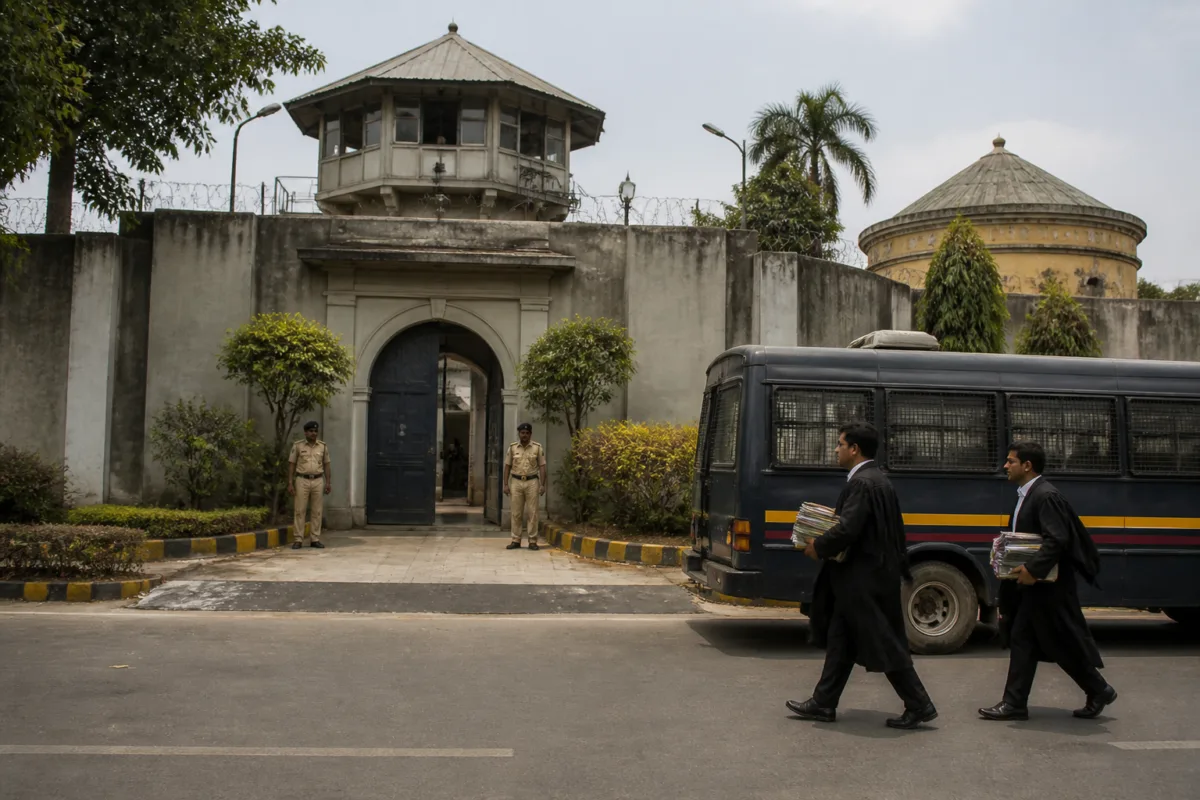
The Bombay High Court has ruled that activist Arun Ferreira’s arrest outside Nagpur Central Prison in 2011 violated his fundamental rights and directed the Maharashtra government to pay him Rs 2 lakh in compensation.
A Nagpur bench partly allowed Ferreira’s 2012 petition and ordered the state to deposit the compensation amount in court within eight weeks. The ruling concerned the circumstances in which Ferreira was taken into custody after being released from Nagpur prison following his acquittal in a Chandrapur case.
Ferreira was first arrested by Nagpur police on May 8, 2007, and was later implicated in cases registered in Gondia and Chandrapur. He was acquitted in eight cases and discharged in one, according to the report. After his last acquittal by a Chandrapur sessions court on September 23, 2011, he executed a bail bond and was released on September 27.
His lawyer, Surendra Gadling, told the court that Ferreira came out of Nagpur Central Prison at about 2.30 pm, where his mother, brother and lawyer were waiting. Plainclothes personnel allegedly forced him into an unnumbered vehicle without identifying themselves or explaining why he was being taken away. Gadling subsequently complained to the police, describing the incident as an abduction.
The state denied that the detention was illegal. It said Ferreira was wanted in two Gadchiroli cases linked to alleged Maoist activity. Police argued that the vehicle’s number plate had been removed and the officers were in civilian clothes because Ferreira was considered a “senior member of Naxal group” and security concerns required secrecy.
The court rejected that explanation, finding that there was no diary entry or written communication showing that the Gadchiroli superintendent of police had directed personnel to take Ferreira into custody. The judges also found that the arrest memo did not establish that the reasons for the arrest had been communicated to Ferreira or his relatives.
The bench noted that the available diary record referred only to Ferreira’s lawyer being informed of his arrest. It further observed that Ferreira complained about the manner in which he had been taken into custody when he was produced before a magistrate on September 28, but that complaint was not acted upon before custody was granted.
In its ruling, the bench said the Constitution imposes a “mandatory unexceptional duty on the State” to provide an arrested person with the grounds of arrest. That information enables the person to seek legal advice and defend himself, the court said, concluding that the police had exceeded their legal limits.
The state has been directed to deposit the Rs 2 lakh compensation in court within eight weeks. The order places the next procedural step on the Maharashtra government and records the court’s finding that the safeguards governing arrest were not followed in Ferreira’s case.

