


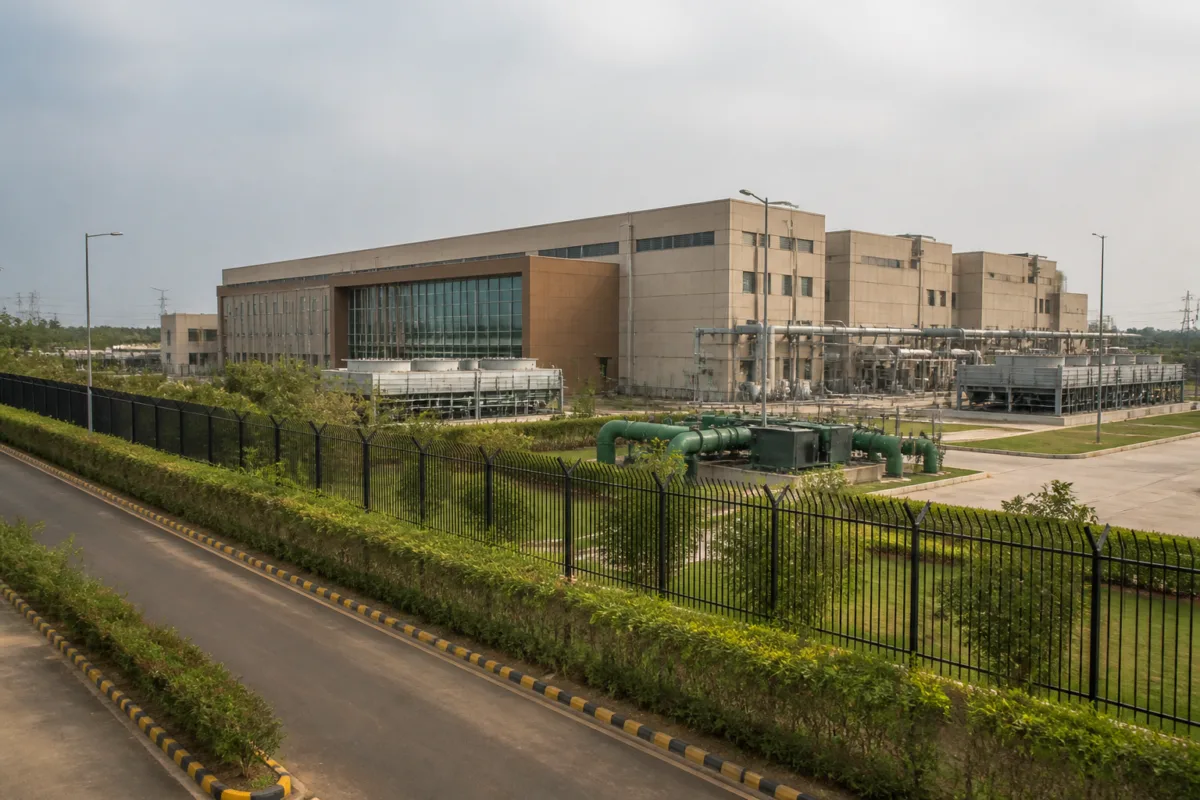
The Reserve Bank of India’s Rs 169-crore data centre at Info Valley-II in Jatani, Odisha, is scheduled to be inaugurated on October 25, placing a nationally significant financial backup facility near Bhubaneswar under public scrutiny over its potential water demand.
The facility is in Khordha district and has been designed as a secondary backup to the RBI’s primary data centre at Kharghar in Navi Mumbai. According to the report by Odisha Post, Prime Minister Narendra Modi is expected to inaugurate the project during a visit to Odisha. His tentative itinerary includes landing at Biju Patnaik International Airport at around 4:30 pm, travelling by helicopter to the Khordha helipad and then proceeding by road to the facility.
The proposed visit is expected to last about an hour, with the Prime Minister scheduled to depart Odisha around 6:30 pm. The project’s foundation stone was laid by then RBI Governor Shaktikanta Das on March 22, 2023. The data centre is intended to strengthen operational continuity for systems supporting financial regulation and payment infrastructure by providing geographic separation from the RBI’s main facility.
Officials cited geographical stability and strategic separation from seismically active zones and high-risk international border areas as reasons for selecting Jatani. The location is therefore part of a broader resilience strategy: critical financial infrastructure is being distributed across separate sites so that a disruption affecting one centre does not automatically disable the backup facility.
The project has also triggered questions about the local infrastructure needed to operate a large data centre. Odisha Congress alleged on October 23 that the facility could require around 2 crore litres of water a day, mainly for cooling. The party’s figure had not been publicly confirmed by the RBI or the Odisha government at the time of the report.
The water question is significant because cooling systems are a core operational requirement for high-capacity data facilities, while the source of supply determines their local impact. Odisha Congress said that groundwater extraction, if used, could deplete local aquifers, affect agriculture and add to water stress in Khordha district. It demanded disclosure of the centre’s actual water requirement, the proposed source of supply, the environmental impact assessment, expected local employment and safeguards for farmers.
The available report does not establish the facility’s final water requirement, supply arrangement or whether the alleged figure was based on an official assessment. It also does not state whether the RBI or the state government has responded to the demands. Those details will determine how the project’s national role in financial resilience is balanced with local water management.
The immediate milestone is the scheduled inauguration on October 25. Further clarity on the facility’s operating systems, water consumption, environmental safeguards and local infrastructure arrangements will depend on disclosures from the RBI and the Odisha government.

