


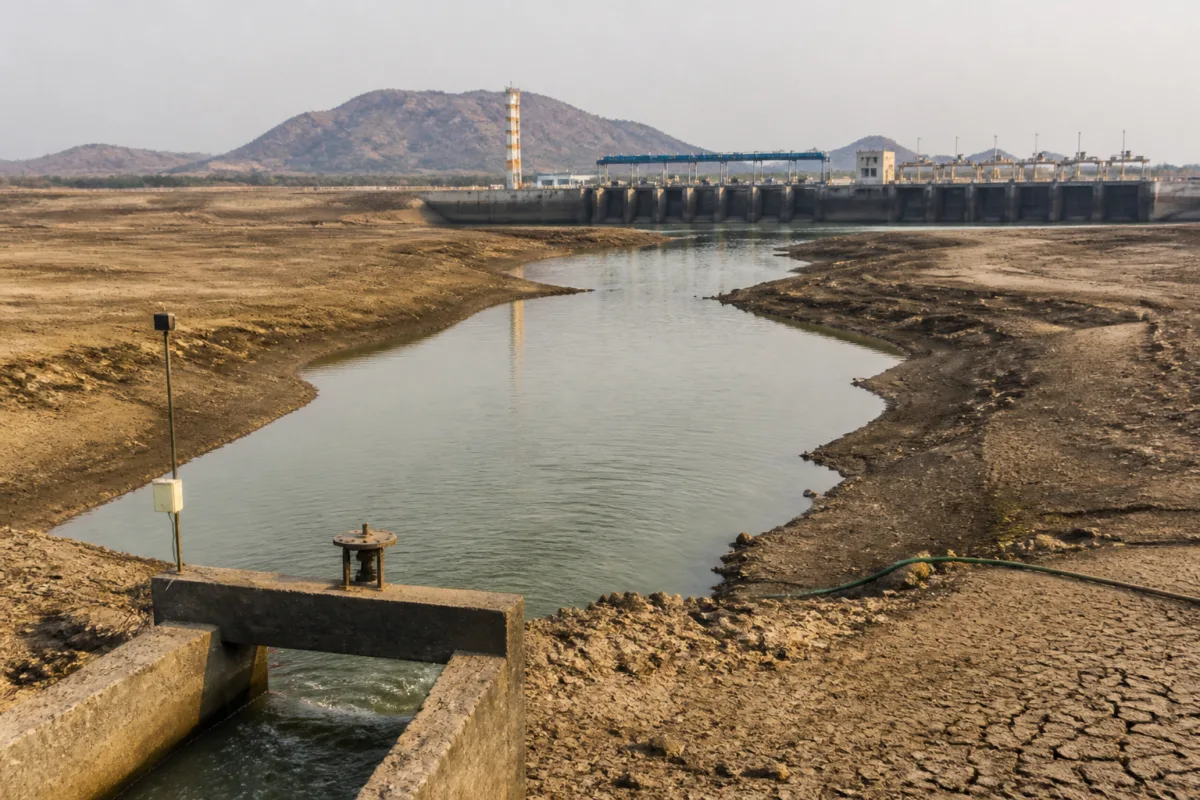
The Krishna River Management Board (KRMB) and Godavari River Management Board (GRMB) will hold meetings on October 26 and 30 respectively, as deficient rainfall, weakening reservoir inflows and competing demands intensify water-management pressures in Telangana and Andhra Pradesh.
The meetings, originally scheduled for August and later postponed, are expected to address water sharing, reservoir management and unresolved disputes between the two states. The discussions will cover water needed for irrigation, drinking water supply and power generation amid reduced availability.
At the KRMB meeting on October 26, officials are expected to take up the distribution of Krishna river water, the operation of common projects, project approvals and complaints filed by both states. Reservoir levels, anticipated requirements and water releases are also likely to be reviewed.
The two states continue to differ over the proposed sharing arrangement. Andhra Pradesh is seeking a 66:34 ratio, while Telangana is pressing for a 70:30 arrangement. Telangana has argued that allocations should reflect its larger share of the Krishna basin. A recent meeting of a three-member committee did not produce a consensus on the issue.
The committee has, in principle, highlighted the need to prioritise drinking-water requirements and regulate the use of available storage. Objections related to water utilisation, power generation and compliance with project norms are also expected to feature in the KRMB discussions.
The meetings come against the backdrop of continuing disagreements over projects on both the Krishna and Godavari rivers. The states have filed complaints against each other concerning project approvals, the boards’ jurisdiction and the implementation of operating guidelines. These unresolved institutional issues have complicated the management of projects shared by the two states.
Telemetry equipment used to monitor water flows and usage is another item expected to be discussed. Some existing devices are reportedly malfunctioning, leading to demands for their replacement with modern systems and the installation of additional equipment at more locations. Reliable flow data is central to monitoring releases and assessing whether project operations comply with agreed norms.
The GRMB meeting on October 30 is expected to focus on the possible impact of backwater from the Polavaram project on Telangana. The state has previously raised concerns about potential submergence and effects on upstream areas. The project authority had earlier indicated that the issue would be studied and that necessary measures would be taken.
Funding for the functioning of both river boards, including pending contributions from Telangana and Andhra Pradesh, is also likely to be discussed. Senior irrigation officials and engineers from both states are expected to attend the meetings, which will provide the next formal setting for addressing water allocation, monitoring and project-management disputes.

