


Delhi Police has told the National Green Tribunal that its personnel cannot break open locked premises suspected of housing illegal polluting units unless they have proper legal authority, placing fresh focus on the limits of enforcement action against unauthorised industrial activity in the capital.
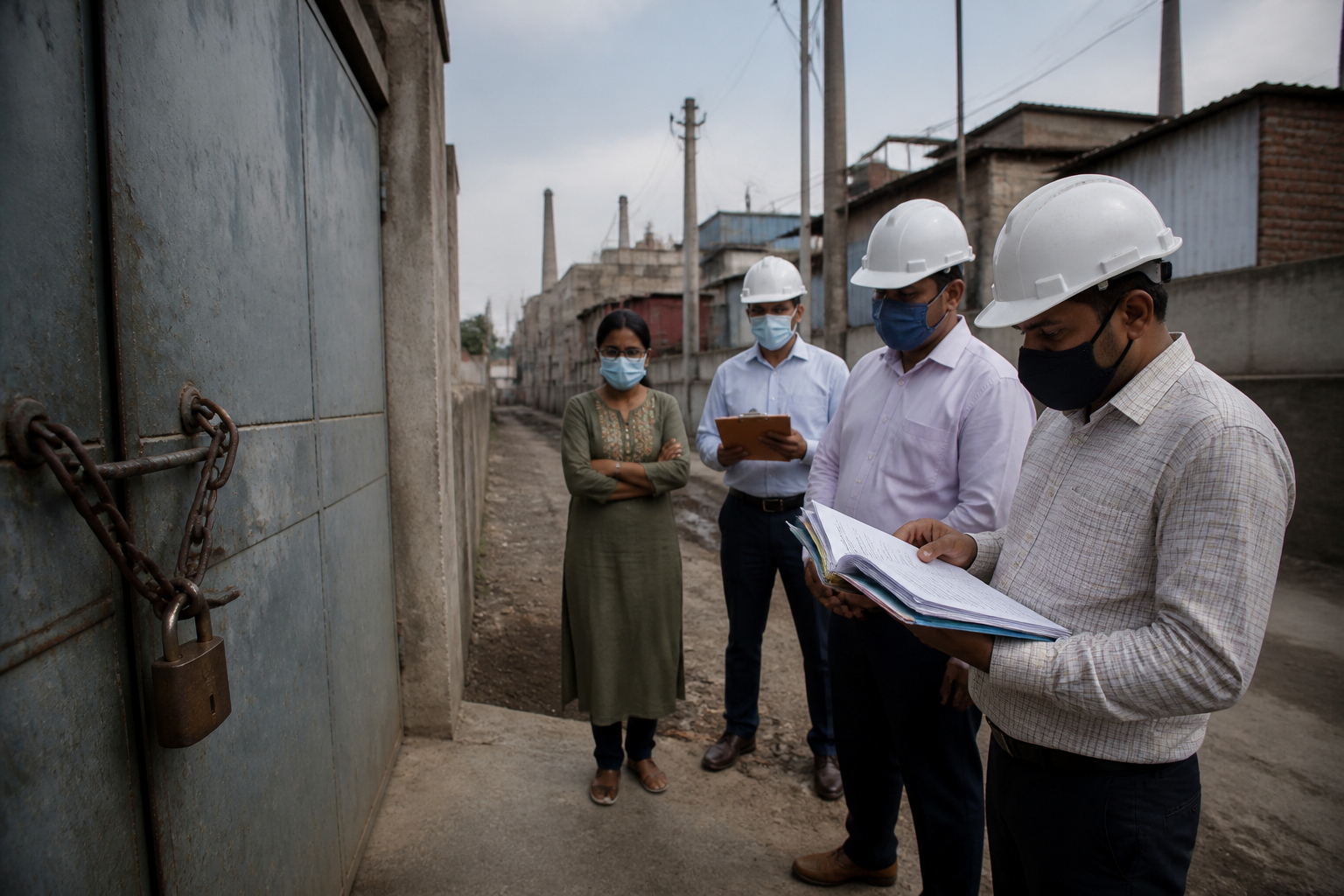
The submission was made in response to an earlier direction from the tribunal asking the Delhi Police commissioner to clarify how officials should inspect premises that are locked from outside but are suspected of being used for illegal polluting activities. Inspection teams had told the tribunal that the absence of authorisation often prevented them from entering such properties.
According to the police position placed before the NGT, officials of the Delhi Pollution Control Committee can use their statutory powers to enter and search premises where they have recorded reasons to believe that an offence has been committed, is being committed or is likely to be committed. The reasons would need to relate to suspected violations of environmental laws.
The police also told the tribunal that the concerned agency could approach the jurisdictional magistrate for a search warrant. Delhi Police could then execute the warrant if required, providing a legally authorised route for entering a locked property.
The issue has arisen during the hearing of a plea filed by activist Varun Gulati, who has alleged that several red-category industrial units are operating illegally in east Delhi. Red-category units are industries classified as having a high pollution potential, making their location and operation subject to regulatory controls.
During earlier proceedings, the NGT was informed that a joint inspection team comprising officials from the Municipal Corporation of Delhi, the Delhi Pollution Control Committee, BSES and Delhi Police had visited three locations in Arvind Nagar and Ghonda village on October 31, 2025. The premises were locked at the time, and the teams were unable to complete their inspections.
The police clarification separates the authority to inspect from the authority to forcibly enter. While the DPCC may exercise statutory entry and search powers after recording the required reasons, police intervention to open a locked property would require an appropriate legal basis, including a magistrate’s warrant where necessary.
The proceedings underline an operational difficulty in environmental enforcement: suspected violations may remain unverified when agencies reach a locked site, but forced entry without documented authority can create separate legal problems. The NGT’s consideration of the matter will determine how agencies coordinate inspections while staying within their statutory powers.
The tribunal is continuing to examine the allegations concerning illegal polluting units in east Delhi and the inspection procedure applicable to premises that cannot be accessed by enforcement teams.

