


Kerala’s transport department has allowed seven categories of vehicle modifications, but owners must obtain prior approval from the registering authority and record every approved change in the registration certificate. The order also restricts replacement engines and chassis to equivalent-capacity components made by the same vehicle manufacturer.
Transport commissioner G Sparjan Kumar issued the order under Section 52 of the Motor Vehicles Act and Rule 112 of the Central Motor Vehicles Rules, according to the Times of India report. It states that only modifications permitted under existing rules may be carried out.
The permitted categories include changes to a vehicle’s colour, engine, chassis and body structure. The order also covers fuel conversion using approved kits, changes to the propulsion system and conversion of vehicles into adapted vehicles for specific user requirements.
The department has prohibited the use of colours barred under law. It has also clarified that an engine or chassis replacement must be of equivalent capacity and sourced from the same vehicle manufacturer. Installing an engine taken from another vehicle model is not permitted under the order.
The rules place the registering authority at the centre of the approval process. Applications will be considered against standards prescribed by the vehicle manufacturer, meaning that approval is not automatic even when a modification falls within one of the seven permitted categories.
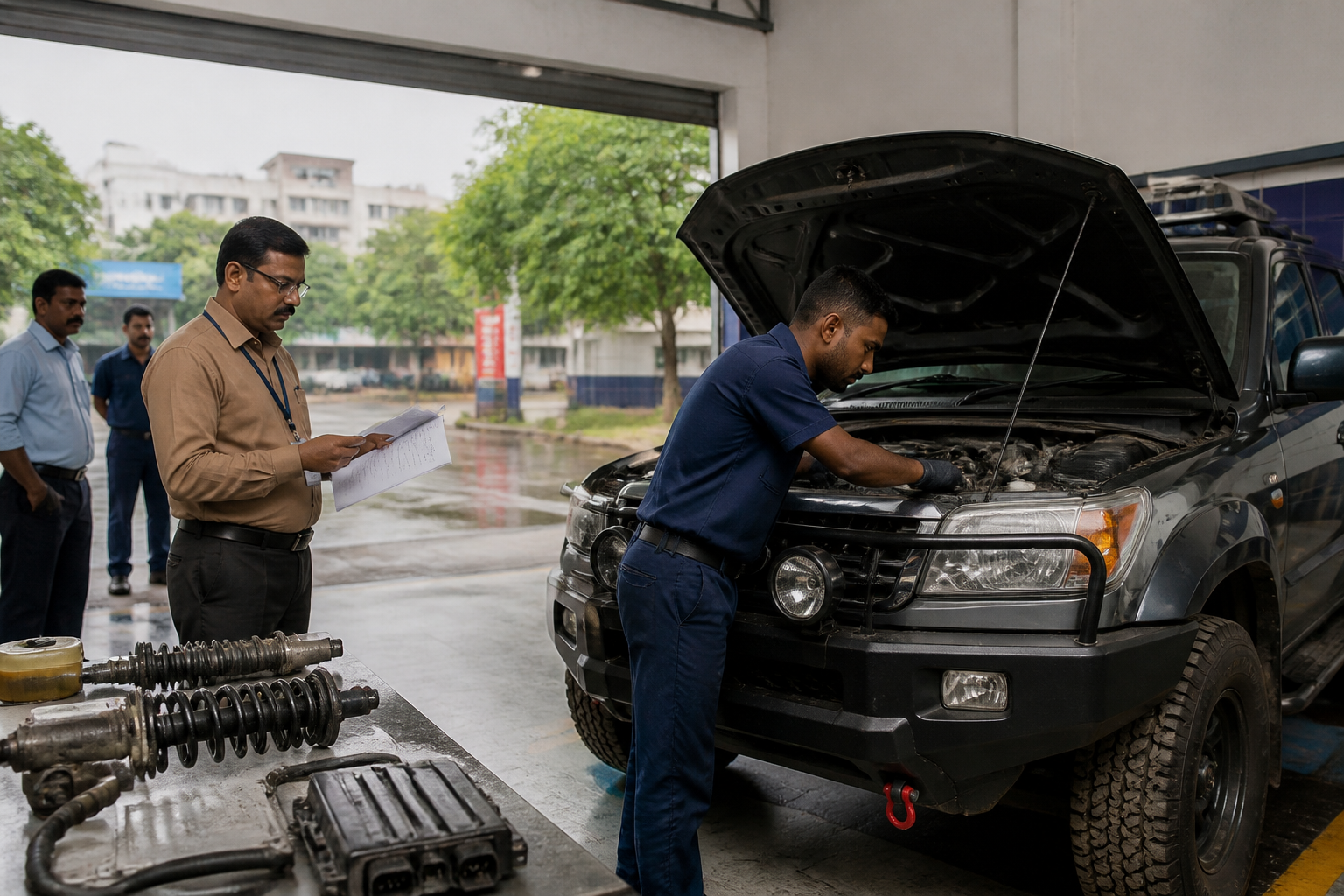
The order also limits who can carry out the work. Modifications must be undertaken by original equipment manufacturers, their authorised dealers or workshops approved by the state government. This creates a formal link between the technical work, the approval process and the vehicle’s official registration record.
Vehicles modified without prior approval may face action, the transport department warned. Once a modification is approved, the details must be entered in the registration certificate, ensuring that the vehicle’s recorded specifications match its authorised configuration.
The order provides a regulatory framework for changes that can affect a vehicle’s safety, performance, fuel system or accessibility. It does not permit modifications outside existing motor vehicle rules and requires the registering authority to assess each application using the manufacturer’s prescribed standards.
