


Electric vehicles are not the only way to reduce transport pollution, and India’s auto policy should remain open to multiple technologies, TVS Motor Chairman Emeritus Venu Srinivasan said at the IFQM Symposium 2026.
Speaking on the sidelines of the symposium on Monday, Srinivasan said policymakers should assess the overall environmental and economic effect of different technologies rather than treat electric vehicles as the sole answer to emissions reduction.
“I always believe we have to be agnostic [in technology] and look at the net effect on the country in terms of pollution, quality and environment. So, EV is not the only solution,” he said.
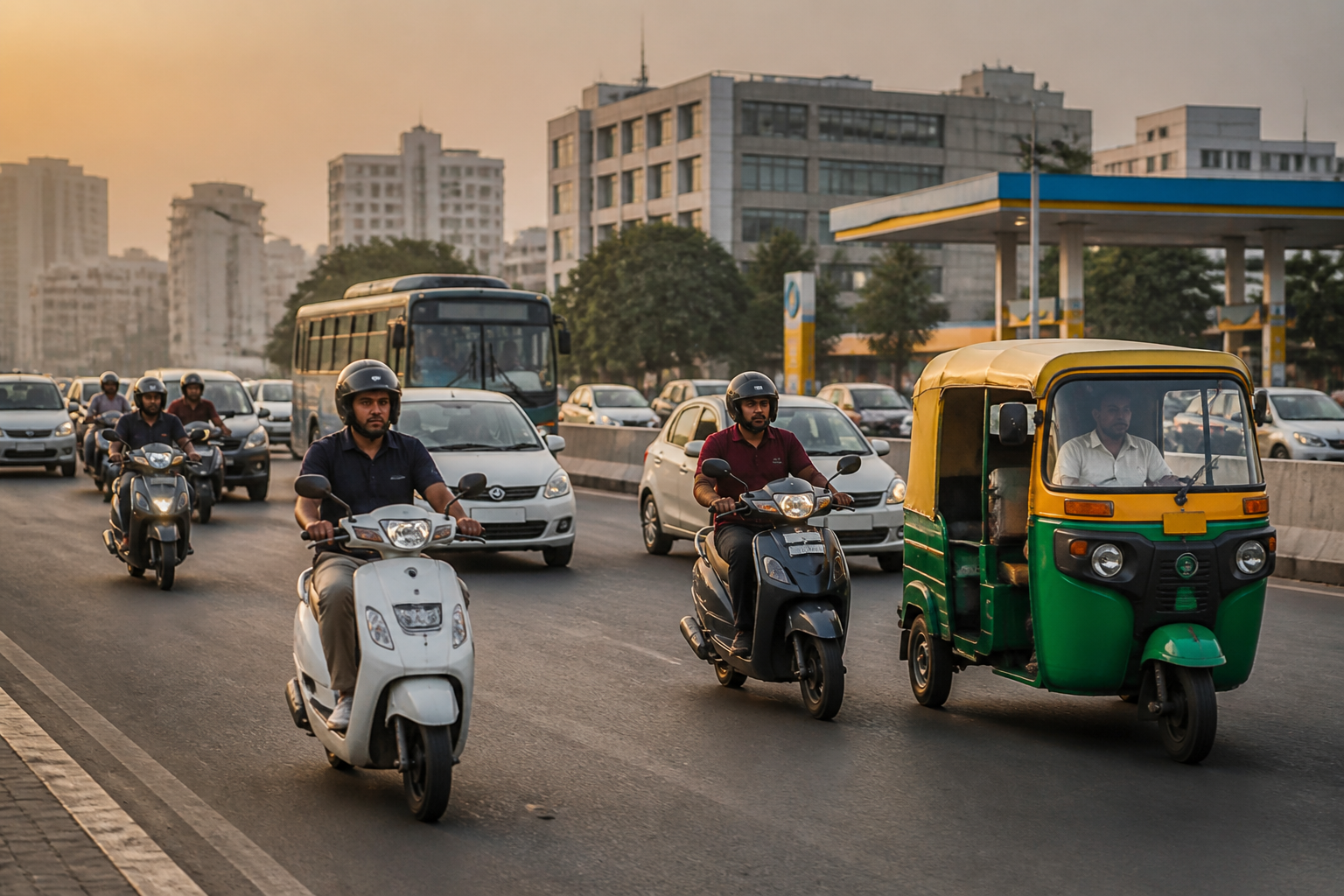
Srinivasan said electric vehicles should be allowed to expand organically, with consumer choice playing an important role. Electric mobility has been gaining ground in India, particularly in the two-wheeler and three-wheeler segments, which are important parts of urban and last-mile transport.
His comments come as India’s mobility transition includes electric vehicles, ethanol blending and efforts to improve the efficiency and competitiveness of the domestic automotive industry. Srinivasan said the emissions debate should consider the net effect of each technology rather than focus on a single propulsion system.
On ethanol blending in petrol, he said the policy could help reduce India’s dependence on fuel imports. He said the effect on vehicle performance had so far been limited and should not become a reason to slow the policy.
“The degradation in performance is very marginal. I think that should not deter us. After all, the whole of Brazil runs on ethanol,” Srinivasan said.
He said consumers may not necessarily need a choice of fuel blends up to E10, but there could be a case for offering greater choice at higher blending levels. This, he said, was linked to concerns about the effect of higher ethanol content on vehicle materials.
“There might be a mild fuel drop, but I think that is being played up too much. The country should look at the imports. And it is ecologically more friendly… I always believe that their choice should be there,” he said.
The remarks place fuel policy alongside vehicle technology as part of the broader emissions challenge. For urban transport, the choice of technology affects not only tailpipe emissions but also the affordability, performance and suitability of vehicles used by commuters, delivery workers and small commercial operators. Srinivasan’s comments, however, did not set out a specific alternative policy framework or quantify the emissions impact of different technologies.
He also linked India’s transport and manufacturing transition to the quality standards required for international competitiveness. Indian companies, he said, would need to raise quality and productivity as they expand in global markets.
“However, we have to go a long long way because your benchmarks in the world — from Korea and China to Japan — that we have to meet and exceed if you want a fair share of global manufacturing and products and services,” he said.
The symposium remarks did not announce a new government policy or change existing electric-vehicle or ethanol-blending rules. They added an industry perspective to the continuing discussion over how India can reduce pollution while managing fuel imports, vehicle performance and consumer choice.
