HomeLatestMumbai Gargai Dam Faces Fresh Construction Delay Mumbai Gargai Dam Faces Fresh Construction Delay
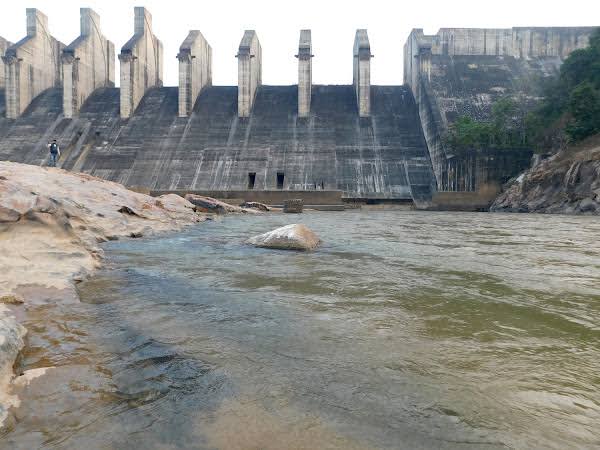
Mumbai’s Gargai Dam project has suffered another delay, with construction now expected to begin only in January 2027, extending the wait for a major addition to the city’s long-term water supply. The project, planned in Palghar district, is intended to strengthen Mumbai’s water security, but repeated delays highlight the difficulty of converting large-scale water proposals into dependable supply infrastructure.
The Gargai project is part of a broader strategy to augment Mumbai’s water resources as the city’s population, commercial activity and daily demand continue to grow. The proposed reservoir is expected to add substantial storage capacity once completed, reducing pressure on the existing network of lakes that supplies most of the city. For Mumbai Gargai Dam, the latest postponement is important because water infrastructure requires long lead times. Land acquisition, environmental clearances, rehabilitation, forest-related approvals and construction can take years. Any slippage at the construction stage therefore pushes back the point at which additional water becomes available to the city. The delay also comes against a backdrop of increasing concern over Mumbai’s dependence on rainfall-fed reservoirs. The city relies heavily on the Tansa, Modak Sagar, Middle Vaitarna, Upper Vaitarna, Bhatsa, Vihar and Tulsi systems. Variations in monsoon rainfall can quickly alter the amount of water available for the following dry season. That makes the Mumbai Gargai Dam project more than a single construction contract. It forms part of the city’s effort to diversify and expand its water-storage capacity. However, new reservoirs alone cannot eliminate water stress.
Demand management, leakage reduction, catchment protection, wastewater reuse and alternative supply sources also need to progress alongside major projects. The project also raises a broader planning question around ecological costs. Large reservoirs can affect forests, biodiversity, local water systems and communities within the project footprint. Faster delivery cannot come at the expense of statutory environmental safeguards or rehabilitation commitments. At the same time, prolonged uncertainty can make affected communities wait longer for clarity about land and livelihood impacts. For Mumbai, the most useful approach would be to publish a clear project schedule showing each remaining approval, construction milestone and expected commissioning date. Transparent monitoring would allow citizens to distinguish between unavoidable regulatory processes and avoidable implementation delays. The city could also reduce its dependence on any single future project by pursuing smaller and faster water-efficiency measures in parallel. Treated wastewater for non-potable uses, industrial water recycling, rainwater harvesting and network-loss reduction can lower demand on freshwater sources while larger reservoirs are being built.
The Gargai delay therefore underscores a wider lesson in urban water planning: securing future supply requires both new infrastructure and better management of existing resources. Mumbai’s resilience will depend on whether these measures advance together rather than waiting for one delayed project to solve a growing long-term challenge.
Mumbai Gargai Dam Faces Fresh Construction Delay