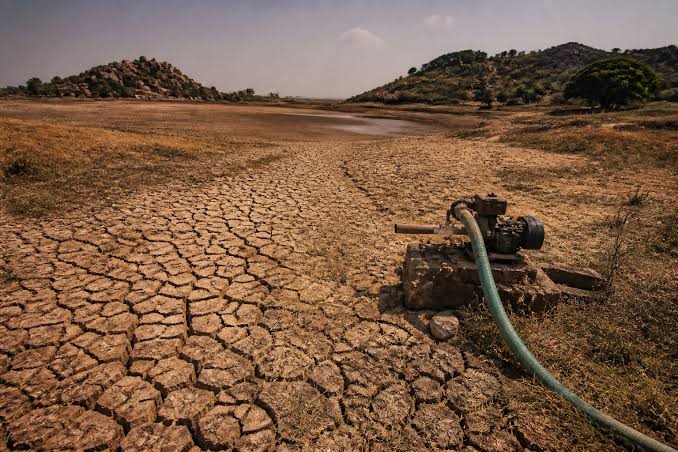
Karnataka’s special legislative session on drought has brought the state’s relief spending, funding requirements and disaster-response systems under scrutiny as the number of drought-affected taluks continues to rise. The debate comes as the state seeks additional financial assistance from the Union government while agriculture, livestock, drinking water and rural livelihoods face mounting pressure.
The latest assessment has expanded the drought-hit area. Karnataka’s Revenue Department declared another 53 taluks drought-affected on September 22, taking the officially recognised total to 154 based on the available assessment process. The government order also directed authorities to conduct crop-loss surveys and continue weekly monitoring through the state disaster-management system. The funding question has become a central part of the discussion.During the legislative debate, opposition members questioned the scale of expenditure on relief, citing ₹331 crore spent so far and around ₹25 crore allocated for fodder. These figures were presented as part of the opposition’s criticism of the state’s response and should be viewed in that context. The state, meanwhile, has been preparing its own financial claim. Earlier this month, the government estimated crop and economic losses in the first 101 drought-hit taluks at approximately ₹18,000 crore and said it would submit a formal memorandum seeking disaster assistance under applicable national norms.
The dispute also draws on Karnataka’s experience during the previous major drought. In 2024, the Union government told the Supreme Court that around ₹3,400 crore had been released for drought management after Karnataka sought substantially higher assistance. The state had sought about ₹18,000 crore at the time. The current crisis has moved beyond a question of compensation. Karnataka’s drought response increasingly depends on whether relief reaches farmers, livestock owners and rural households quickly enough to prevent deeper economic stress. Earlier this month, the state reported completing village-level water budgeting in 4,565 villages, an approach intended to match available water with demand and improve preparedness. The funding debate therefore highlights two connected challenges: securing adequate emergency resources and using them efficiently at the local level. Drinking-water supply, fodder, crop-loss compensation, employment support and groundwater management require coordination across departments rather than isolated relief measures.
The immediate test will be whether the expanding drought assessment is matched by faster assistance and transparent tracking of expenditure. For Karnataka, the longer-term challenge is reducing repeated dependence on emergency intervention through water budgeting, efficient irrigation, groundwater recharge and climate-resilient agriculture.