


Delhi traffic challan disputes are set to follow a new process under which vehicle owners may have to deposit 50% of the penalty before their case can be heard in court, according to a report cited by Live Hindustan – NCR. The arrangement applies when a driver challenges an e-challan after the relevant authority has reviewed the complaint and declined to cancel it.
Under the reported process, a vehicle owner who believes a challan was wrongly issued must first approach the concerned authority rather than directly moving to court. Officials will examine the challan and associated records, which may include camera footage and other digitally captured information from automated enforcement devices.
If the authority finds that the challan was issued incorrectly, it can cancel the notice at that stage. The cancellation and the outcome of the review are expected to be communicated to the vehicle owner through the portal, according to the report. This first-level review is intended to deal with disputed notices before they reach the court system.
If the authority does not cancel the challan and the vehicle owner remains dissatisfied, the person can challenge it in court after paying half of the penalty amount. For example, a challan of Rs 2,000 would require an initial payment of Rs 1,000, while a Rs 5,000 challan would require Rs 2,500 before the court hearing proceeds.
The 50% payment is described as a condition for initiating the court hearing, not as an acknowledgement that the challan is valid. If the court later finds that the notice was wrongly issued, the amount deposited before the hearing will be returned to the vehicle owner. If the court upholds the challan, the remaining 50% will have to be paid.
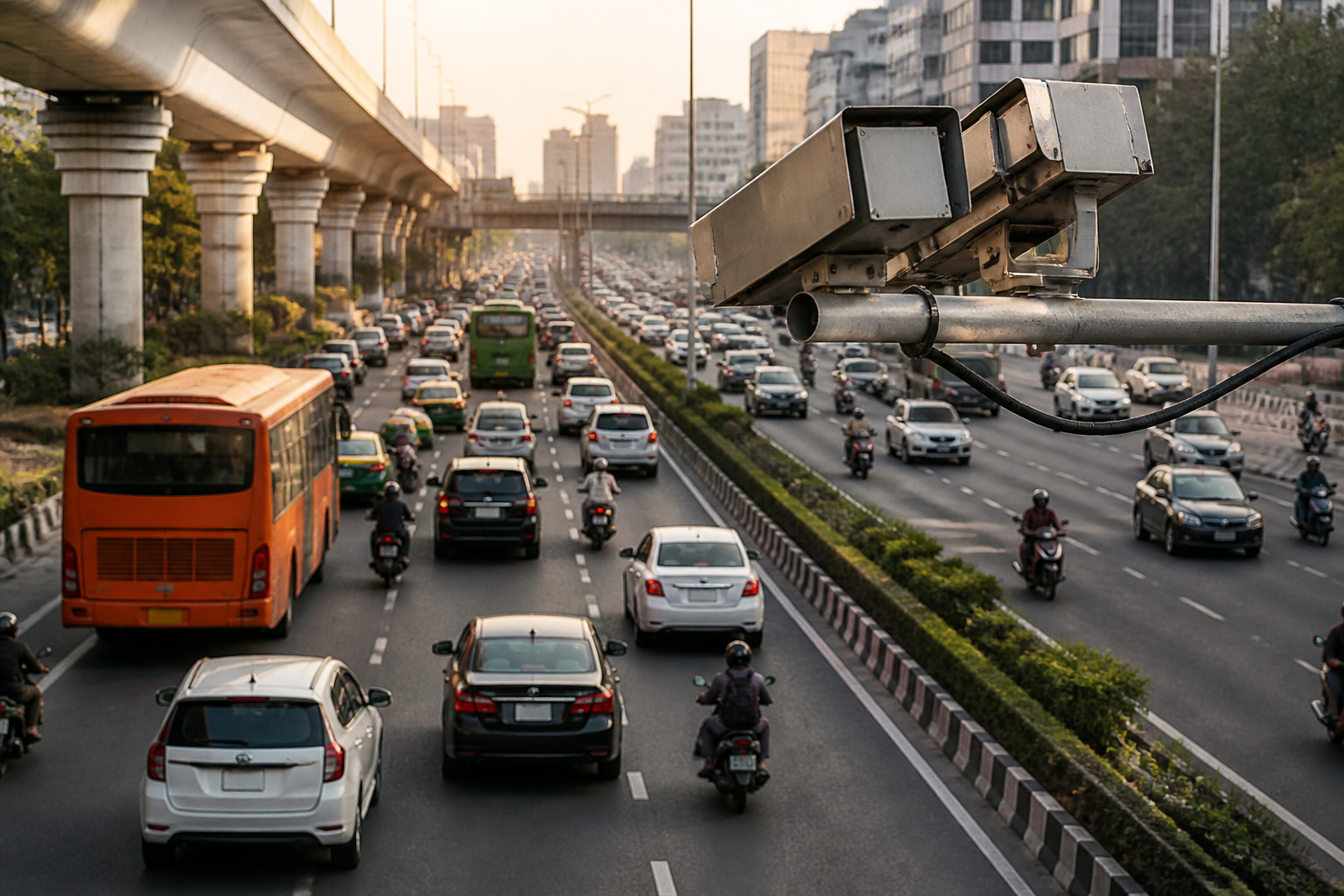
The reported change comes as traffic enforcement in Delhi increasingly relies on roadside cameras and other automated devices in addition to traffic police personnel. These systems can generate challans without an officer stopping the vehicle, making access to recorded evidence central to how disputes are examined.
For vehicle owners, the process creates an additional administrative step and an upfront financial requirement before judicial review. It also places greater importance on the accuracy of camera records, digital evidence and the authority’s initial assessment. The report does not specify the formal notification, effective date or the exact authority responsible for each category of challan.
Under the reported arrangement, motorists will therefore first have to seek an authority-level review, followed by court proceedings if the challan is not cancelled. The court will ultimately determine whether the notice was valid and whether the deposited amount must be refunded or supplemented with the balance penalty.
