


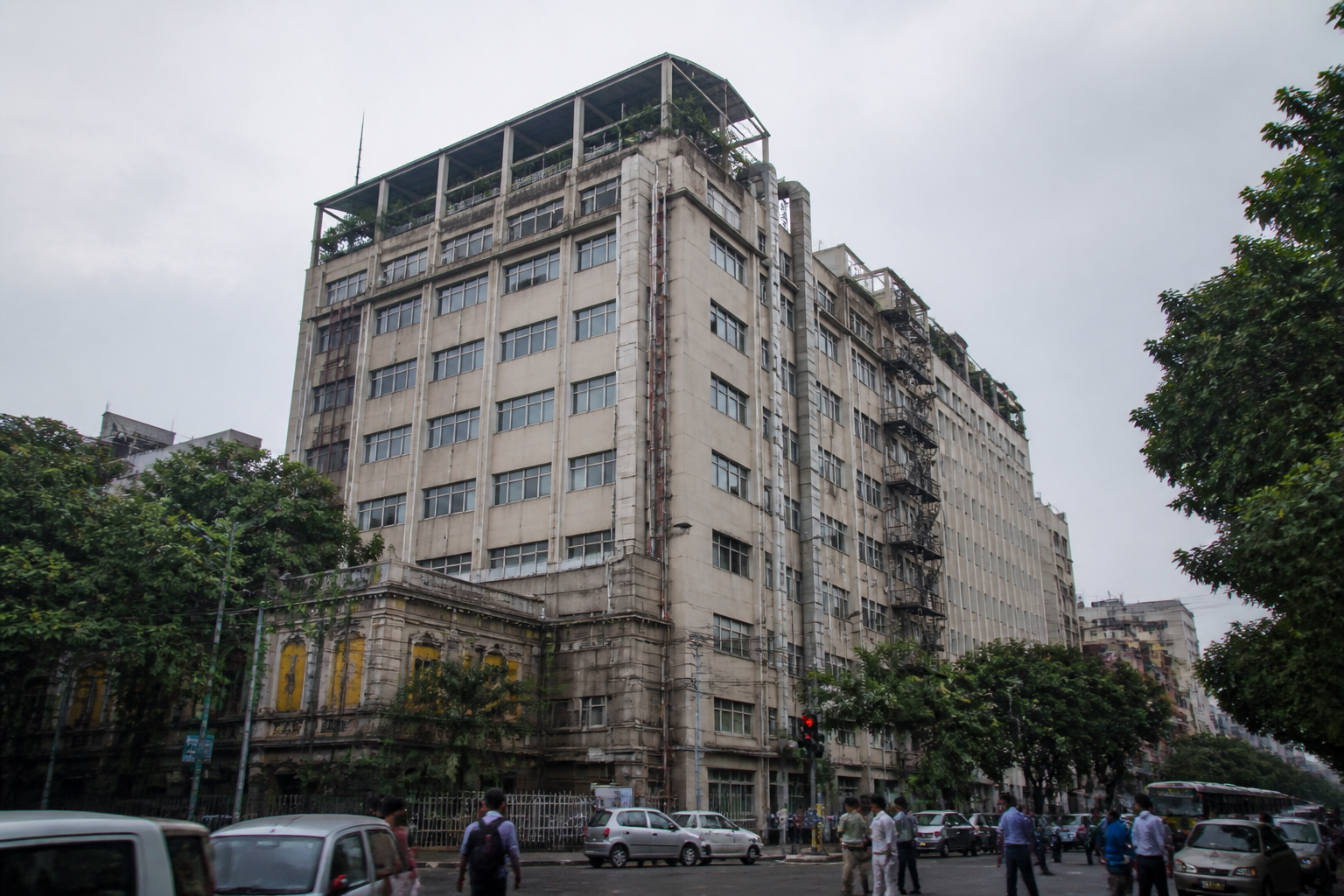
The Calcutta High Court has quashed a fire safety notice requiring the evacuation of the seventh and eighth floors of 9 Camac Street, where Trinamool Congress leader Abhishek Banerjee’s office is located, while directing the fire department to conduct a fresh inspection and specify the safety measures required at the premises.
A bench presided over by Justice Krishna Rao ordered the fire department to issue a new notice to the Trinamool Congress and state when officials would inspect the office again. After the inspection, the department must identify the safety and security measures required at the premises, which the party will then have to implement.
The court also made clear that the fire department can take action under the law if the directions in the new notice are not followed. The order came after the court had earlier granted an interim stay on the department’s original notice.
The original notice was issued to the owner of the Camac Street building after fire officials inspected all its floors. It alleged that fire-prevention arrangements on the seventh and eighth floors were inadequate and directed that the two floors be vacated immediately. The building owner subsequently instructed the occupants to vacate the office.
The notice followed a dispute involving Kolkata Municipal Corporation officials and Abhishek Banerjee’s supporters during an attempt to remove a billboard from the building, according to the report. The fire department later inspected the premises, after which the notice was issued.
The Kalighat camp challenged the fire department’s notice before the High Court. During the earlier hearing, Abhishek Banerjee’s lawyer, Kishore Dutta, said the two floors had been taken on lease and that the lease had been cancelled on August 26, 2026. A case concerning that cancellation is pending before a lower court, according to the submission reported by Anandabazar.
Dutta argued that the fire department had identified an illegal construction on the roof and the presence of several gas cylinders on the seventh floor. He said the cylinders had since been removed and argued that responsibility for correcting structural or building-wide deficiencies lay with the owner. He also questioned why the department had identified only the seventh and eighth floors as unsafe if the entire building lacked adequate fire protection.
Representing the state, Advocate General Surjit Mitra told the court that several cylinders had been found on the seventh floor, a fact the building owner had not denied. He also submitted that fire alarms on the two floors were not functioning and that the premises had 45 fire sprinklers, fewer than on other floors. Several other systems were also defective, according to the state’s submissions.
The dispute highlights the enforcement challenge in multi-storey commercial buildings, where fire-safety obligations may involve both building owners and occupants. The High Court’s order does not remove the requirement for compliance. Instead, it requires the department to return to the premises, communicate the deficiencies and set out the corrective measures before further action is taken.
The next step is for the fire department to issue the fresh notice, conduct the specified inspection and inform the Trinamool Congress of the safety measures required at the Camac Street office.
