


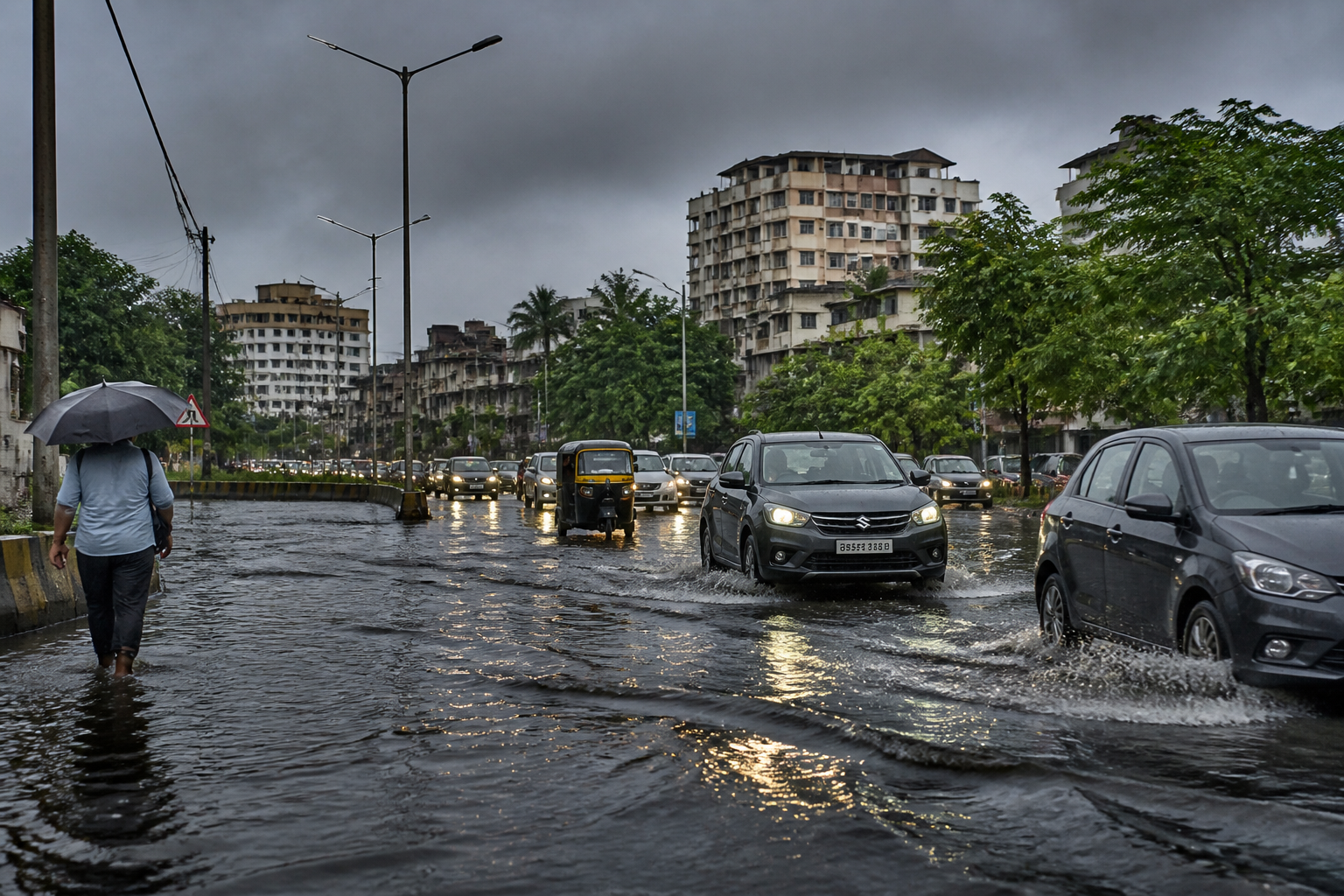
Badlapur rainfall crossed the 3,000-millimetre mark by September 13, 2026, after an exceptionally wet July reversed the deficit created by the city’s driest June in three decades, according to data analysed by private weather observer Abhijit Modak and reported by Loksatta.
The city recorded 3,009 mm of rainfall from the beginning of the monsoon season until September 13. The milestone was reached even though the year has been marked by El Niño conditions and the monsoon began with a sharp shortfall in June.
Badlapur received only 90 mm of rain in June, against a monthly average of 500 mm, according to the figures cited in the report. This was described as the lowest June rainfall in the city in the past 30 years. The weak start had raised concern among farmers and residents, particularly because June is an important early monsoon month for replenishing local water sources and establishing the season’s rainfall pattern.
The rainfall pattern changed dramatically in July. The city recorded 2,118 mm during the month, compared with an average of 1,350 mm. The July total was more than 2.1 metres of rain and accounted for the largest share of Badlapur’s seasonal rainfall so far. This single-month surge was enough to compensate for much of the deficit recorded in June and substantially altered the overall monsoon picture.
Rainfall remained relatively steady in August, when Badlapur received 682 mm against an average of 800 mm. Although the month’s total was below the average, it helped maintain the season’s accumulated rainfall after the July excess.
September brought another slowdown. Against an average of 450 mm for the month, the city had received 119 mm by September 13. Despite the lower September total so far, the combined rainfall in July and August pushed the seasonal figure beyond 3,000 mm before the monsoon had ended.
The figures illustrate how sharply rainfall can vary across both time and location. A season that began with a record-low June was transformed by an intense July, showing that a seasonal total can conceal significant swings in the timing and concentration of rainfall. For residents and local authorities, this distribution is important because intense rainfall over a short period can create different pressures from evenly spread seasonal rain, even when the overall total appears adequate.
Modak said the sharp fluctuations in Badlapur’s rainfall, including the July excess despite the El Niño backdrop, were being studied by weather experts. The report did not provide an official municipal or meteorological department confirmation of the figures, nor did it specify the rainfall measurement station used for the calculations.
Badlapur’s cumulative rainfall is expected to be assessed against the remaining monsoon period, with September’s total still below its stated monthly average by September 13. The next significant measure will be how much additional rain the city records before the season concludes and whether the final distribution confirms the year’s unusually uneven pattern.
