


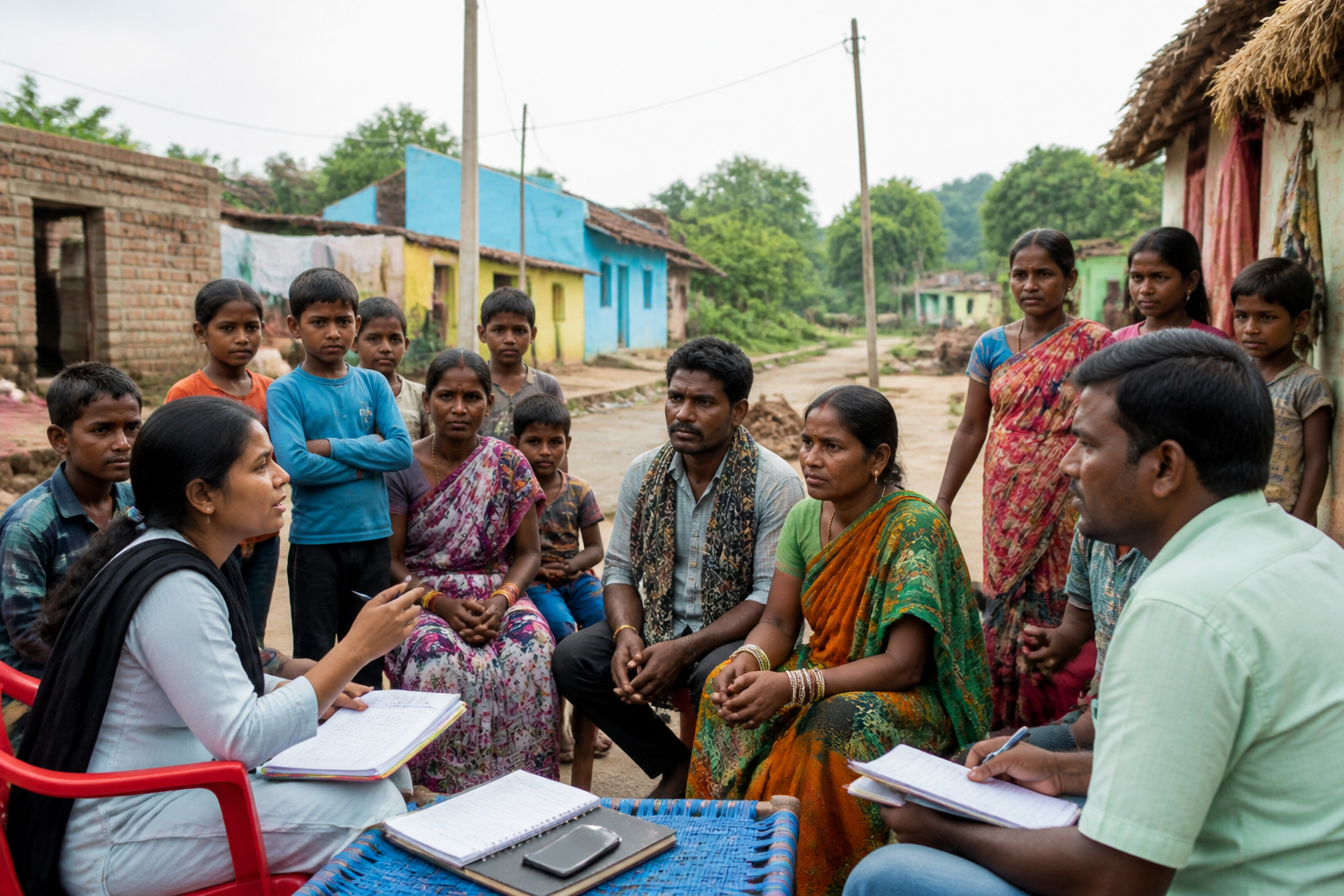
An alliance of eight non-governmental organisations has launched a coordinated campaign across all 31 districts of Karnataka to strengthen village-level surveillance, legal protection and rehabilitation measures against child marriage, with particular attention to migrant settlements and adolescents at risk of dropping out of school.
Led by the Just Rights for Children network, the initiative aims to take the Centre’s ‘Bal Vivah Mukt Bharat’ campaign to gram panchayat level. The network mobilised more than 300 NGOs nationally after a convention in New Delhi, while eight partner organisations in Karnataka have divided responsibility for district-level interventions.
Mangaluru-based People’s Action for Development, or PADI, will oversee Dakshina Kannada and Udupi. Prachodana will work in Hassan and Shivamogga, Spandana in Belagavi, Sneha in Ballari and Margadarshi in Raichur. The alliance said its wider approach would combine community awareness with monitoring, legal support and coordination with district administrations.
The campaign identifies migrant settlements as a key area of concern in coastal Karnataka. Many migrant workers are from North Karnataka and other states, and their children may face risks linked to school dropout, child labour, trafficking and early marriage. These settlements can be difficult for local systems to monitor when families move frequently or remain outside established community networks.
The concerns were discussed at a district-level consultation in Udupi, where DIET principal Dr Ashok Kamath reportedly referred to instances of teenage pregnancies associated with underage marriages. The report did not provide the number of cases or details of individual incidents.
As part of the intervention, the organisations will work with district administrations to make statutory child protection committees functional in every gram panchayat. They will also track vulnerable school dropouts and seek to ensure that adolescents up to the age of 18 remain enrolled in schools or continue their education through technical institutions, including Industrial Training Institutes.
The focus on gram panchayats places local administrative systems at the centre of the campaign. The organisations said existing legislation and administrative mechanisms would need measurable accountability at the local level to produce sustained results. Reni D’Souza, CEO of PADI, said the initiative would focus on tracking vulnerable children, strengthening local protection committees and providing continued legal and rehabilitation support.
The campaign has also gained international visibility following the United Nations General Assembly’s declaration of November 27 as the International Day for the Elimination of Child Marriage, Early and Forced Marriage. The initiative was reportedly championed by JRC founder Bhuvan Ribhu.
The next stage of the programme will involve coordination with district administrations, activation of child protection committees, monitoring of migrant households and efforts to retain adolescents in school or technical education across Karnataka’s 31 districts.
