


Pune | September 8, 2026
The Pune administration’s restrictions on DJs, plasma displays, laser lights and pressure sound systems during Ganeshotsav have received public support from Rohit Tilak, a descendant of Lokmanya Tilak, who said the festival should grow without compromising its character or causing inconvenience to residents.
Speaking at a press conference, Tilak said he opposed the use of high-volume DJs and oversized sound systems during the festival. He said Ganeshotsav had been started by Lokmanya Tilak to bring people together through religion and social participation, but argued that unnecessary display and sound that disturbs residents should not become part of the celebrations.
The Ganesh festival is due to begin shortly, and discussions have been taking place at different levels over the restrictions. According to the report, the police administration has reiterated limits on loud DJs, plasma displays and pressure sound systems. It has also said that prescribed sound limits and rules governing dhol-tasha performances must be followed.
Tilak said the current form of the festival did not reflect the form of public celebration envisaged by Lokmanya Tilak. He nevertheless opposed calls to stop religious festivals altogether, saying they provide people with mental support and a form of social connection. In his view, celebrations should continue but operate within reasonable limits.
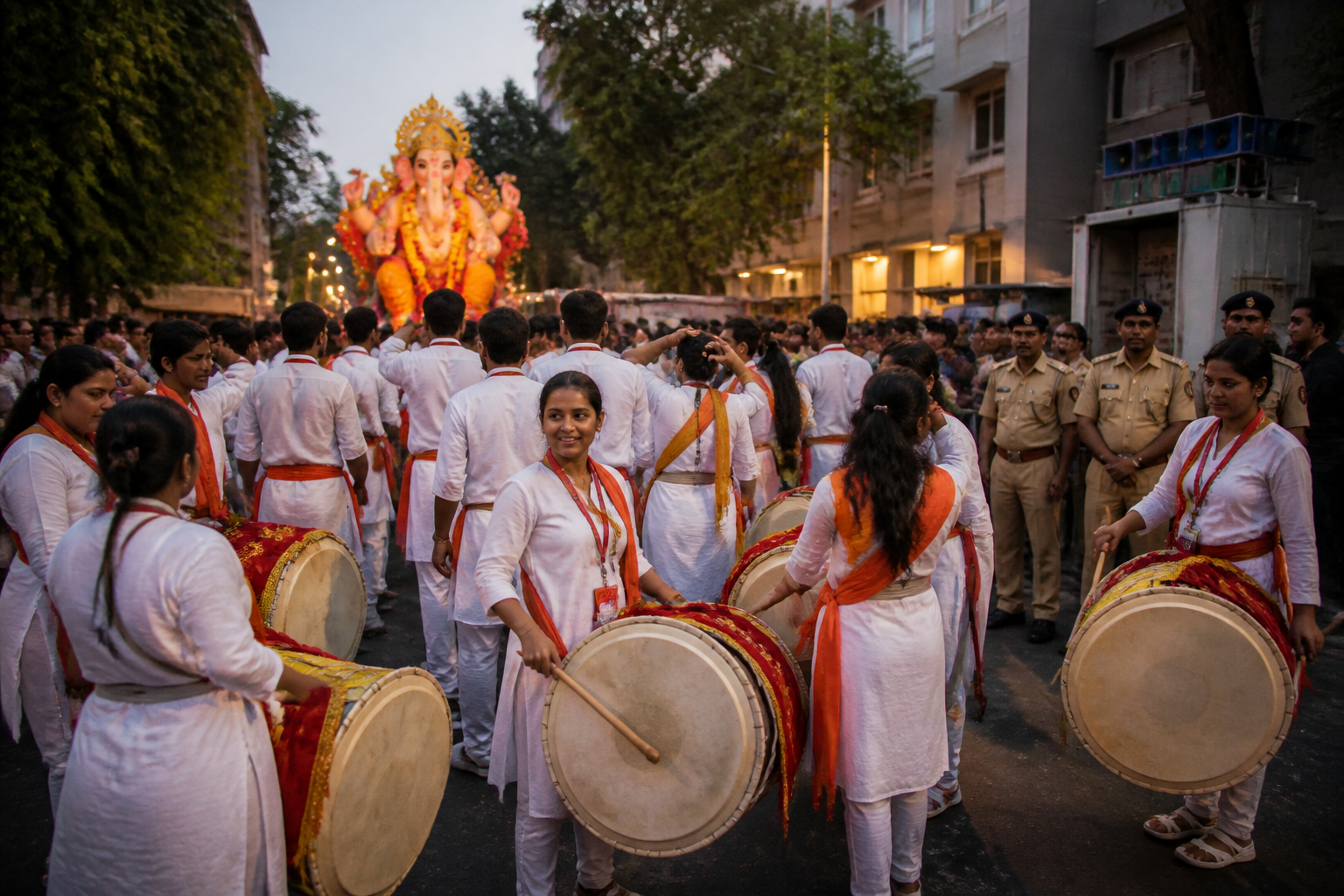
He also referred to the growth of traditional dhol-tasha groups as an alternative to DJs. According to Tilak, several groups have introduced greater discipline, new rhythms and choreography into their performances in recent years, while many have been following the applicable rules. He said the transition away from DJs could not happen in a single day, but that some young people were already moving towards traditional performance groups.
The issue has placed festival sound management alongside the wider question of how public celebrations use roads and neighbourhood spaces in Pune. The report links the administration’s position to concerns about increasing noise pollution and to judicial directions concerning sound levels and dhol-tasha performances. It does not specify the exact decibel limits, enforcement mechanism or penalties that will apply during this year’s processions.
Tilak said the aim should be to preserve the scale and public participation of Ganeshotsav while preventing sound and other arrangements from becoming a source of disturbance. The administration and police are expected to implement the stated restrictions during the festival period, with organisers required to comply with the applicable sound and performance rules.
