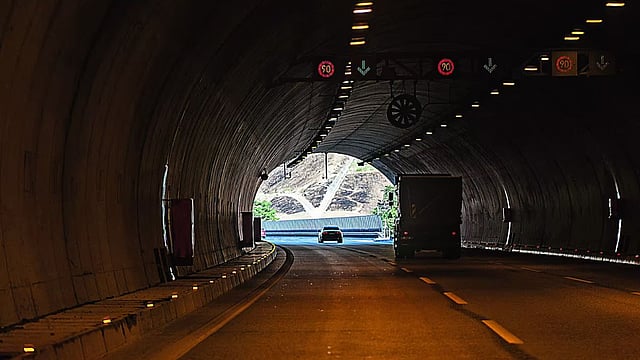
Bengaluru’s proposed tunnel-road network has encountered a heritage-related hurdle, with the alignment reportedly coming close to the historic Kempegowda Tower on the city’s western side. The concern adds another layer to a project already facing questions over cost, engineering feasibility and environmental impact, highlighting the challenge of fitting large transport infrastructure into a city with a dense and layered historical landscape.
The Kempegowda Tower is among the monuments associated with Bengaluru’s founding history and the legacy of its early urban development. Any major excavation or construction activity near such a structure requires careful assessment because underground works can affect surrounding soil, foundations and groundwater conditions even when the monument itself is not directly demolished. The issue makes the Bengaluru tunnel road proposal relevant to a larger question about how the city evaluates infrastructure corridors. Tunnel construction can reduce the need for surface-level road widening and potentially protect existing neighbourhoods from extensive land acquisition. However, moving traffic underground does not automatically eliminate environmental or heritage risks. Engineering studies will need to establish how far the proposed tunnel would run from the tower, what construction method would be used and whether vibration, excavation or changes in groundwater could affect the historic structure. Independent structural monitoring before, during and after construction would be important if the project proceeds near sensitive heritage assets. The heritage concern also comes as Bengaluru considers a major expansion of underground road infrastructure. The proposed tunnel network has been presented as a way to create faster north-south and east-west connections while reducing pressure on some surface corridors. Yet its effectiveness will depend on how traffic enters and exits the tunnels and whether bottlenecks are simply transferred to junctions at either end.
This makes the Bengaluru tunnel road more than an engineering project. Its success will depend on integration with public transport, pedestrian infrastructure and existing road networks. A tunnel that increases vehicle capacity without reducing overall dependence on private vehicles could generate new congestion at surface connections. Heritage protection should be integrated into the planning process rather than addressed after an alignment has effectively been finalised. Bengaluru has numerous historic structures, lakes, old neighbourhoods and archaeological features embedded within its modern urban fabric. Mapping these assets before construction decisions are made can help identify sensitive zones and allow engineers to redesign routes where necessary.There is also a public-interest dimension.Large infrastructure projects require transparent disclosure of alignment studies, heritage assessments, environmental safeguards and projected benefits. Making such information available can help residents and experts evaluate whether the costs and risks are proportionate to the expected transport gains. The Bengaluru tunnel road proposal now faces an important planning test: whether the city can pursue additional road capacity while protecting the cultural assets that define its identity.
If technical studies identify unacceptable risks, modifying the alignment should be considered before construction commitments become difficult to reverse.For Bengaluru, the broader lesson is clear. Modern mobility infrastructure and heritage conservation do not have to be competing goals, but successful integration requires careful mapping, independent assessment and willingness to redesign projects when sensitive assets are at stake.