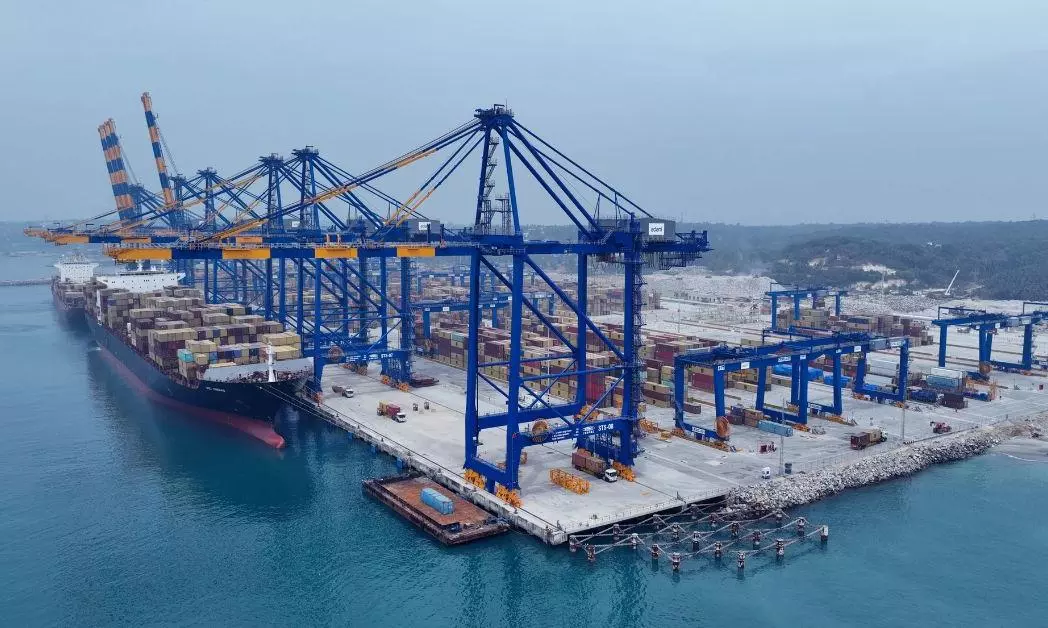
Kolkata Port Terminal Set to Reshape Cargo Movement
Kolkata is set to gain another piece of cargo-handling infrastructure as Western Carriers takes up a 15-year mandate to develop and operate a General Cargo Terminal at the GCD Yard of the Kolkata Dock System. The facility is expected to handle containers and other cargo, while strengthening links between the port, rail network and inland supply chains across eastern India.
The terminal is already operational, but the next phase will focus on expanding handling capacity and improving the way cargo moves through the facility. The project could become particularly relevant for manufacturers, exporters and traders that depend on predictable connections between the port and inland markets.For Kolkata, the significance extends beyond another logistics facility. The Kolkata Dock System handled about 620,000 TEUs in FY2024-25, while Syama Prasad Mookerjee Port handled more than 804,000 TEUs across its Kolkata and Haldia operations. Additional terminal infrastructure therefore comes as regional trade places greater demands on existing freight networks.A central issue will be the project’s ability to shift more cargo towards coordinated multimodal movement. Rail-linked freight can reduce dependence on long-distance road haulage and, when efficiently planned, help limit congestion and transport-related emissions. The GCD Yard tender itself was structured around developing a general cargo terminal and increasing the role of rail in cargo evacuation.
The proposed civil infrastructure expenditure is estimated at around ₹13.68 crore, although the amount may change as development progresses. The tender documents indicate a 550-day work period for the infrastructure component, while the operating arrangement extends for 15 years.The facility is expected to serve different cargo categories rather than a single trade stream. That flexibility could help businesses consolidate shipments and access storage, handling and onward transportation through a more integrated network. For smaller manufacturers and exporters, improvements in cargo predictability can matter as much as additional physical capacity because delays can increase inventory and working-capital costs.There is also a wider urban consideration. Kolkata’s port activity is closely tied to the city’s industrial economy, but expanding freight movement must be balanced against road congestion, neighbourhood impacts, safety and environmental pressures. Better rail utilisation and efficient cargo scheduling can help reduce some of that burden, provided supporting infrastructure keeps pace.
The immediate test will be execution: whether the terminal’s upgraded capacity translates into shorter cargo dwell times, smoother rail evacuation and dependable access for businesses. For Kolkata, the project’s longer-term value will depend less on the size of the facility than on how effectively it connects the port with the wider eastern economic corridor.