


Bengaluru | September 3, 2026
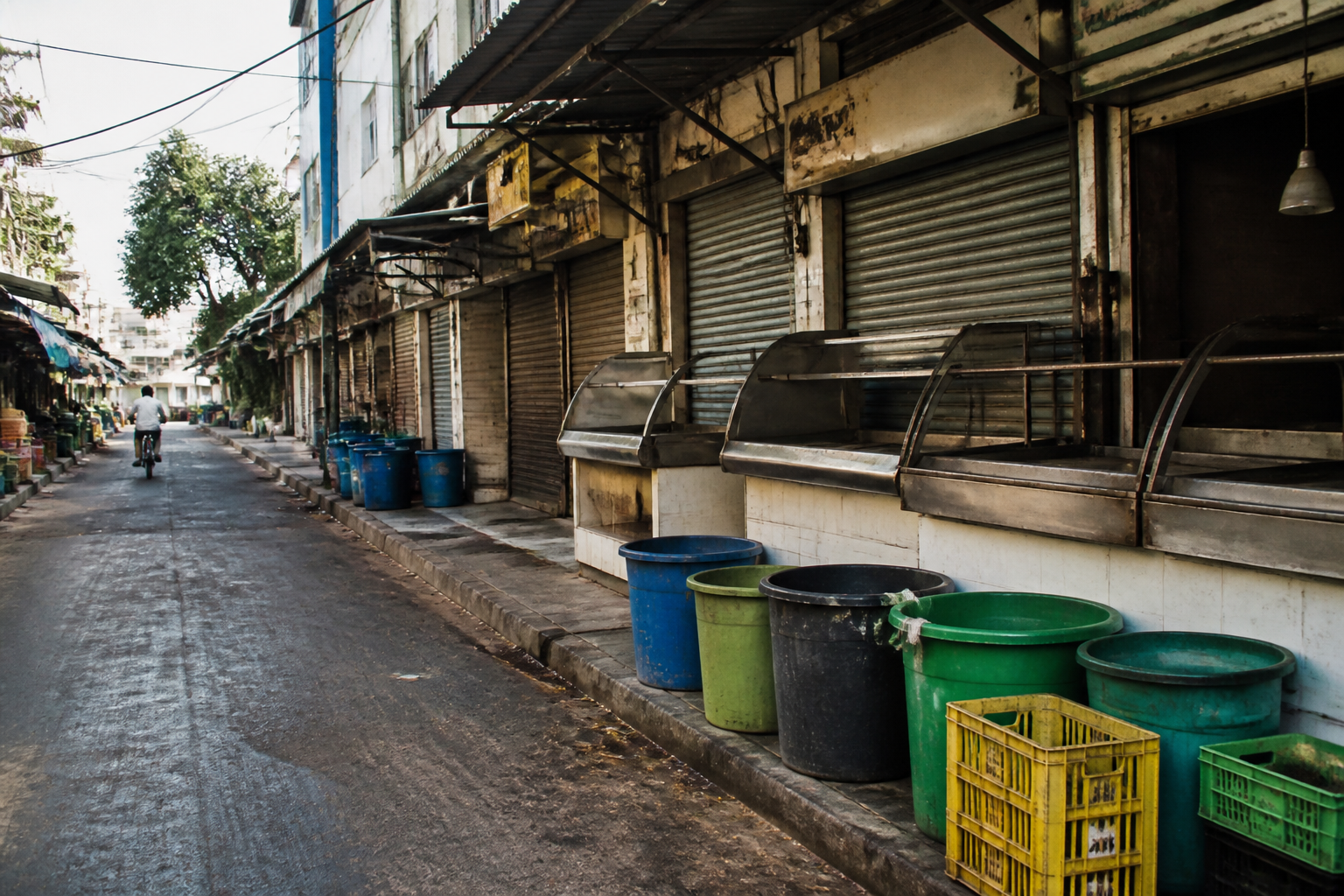
Bengaluru chicken shops are expected to remain shut on September 3 and 4 after the Karnataka Poultry Traders Association called a two-day protest against a reported Greater Bengaluru Authority (GBA) levy of Rs 5 per kilogram on chicken waste. The association has also planned a demonstration at Freedom Park on September 3.
According to a report by Vijay Karnataka, poultry traders have decided not to buy chickens in wholesale from farms during the protest period, resulting in a halt in chicken sales across the city. The association said the levy was introduced without consulting traders and would add to the operating costs of poultry shops.
Manjesh, managing director of Venkateshwara Hatcheries, told the publication that around 15 kilograms of waste can be generated when 100 kilograms of chicken is sold. At Rs 5 per kilogram, traders would therefore face an additional waste-related charge based on the volume of discarded chicken parts, the report said.
The traders’ association said chicken heads, feet, offal and feathers generated by approximately 6,000 to 8,000 shops in Bengaluru are already collected by private operators. Association president K.N. Nagaraju claimed that private parties take the waste and sell products derived from it to companies producing feed and other items. The association has argued that the municipal authority should bear the cost of managing the waste or provide traders with a payment for it.
Nagaraju also alleged that GBA marshals and representatives of intermediary companies appointed for solid-waste management had visited shops and threatened cancellation of licences if traders did not pay the charge. These allegations were reported by Vijay Karnataka based on statements from the association. The supplied report did not include a response from GBA or the solid-waste management agency to the traders’ claims.
The association said it had repeatedly asked GBA and the solid-waste management authority to withdraw the decision, but no action had followed. Traders further argued that passing the charge on to consumers would increase chicken prices at a time when households were already facing higher food costs.
The dispute also involves the way Bengaluru handles commercial food waste. The traders maintain that they have an existing arrangement with private waste collectors, while the authority is seeking to impose a charge and require the waste to be handed over through its waste-management system. The report did not specify the notification, contract terms or enforcement mechanism under which the Rs 5-per-kilogram levy was introduced.
Vijay Karnataka reported that Bengaluru sells an estimated 700,000 kilograms of chicken a day through its shops, generating between 200,000 and 300,000 kilograms of chicken waste daily. If the reported figures are applied, the levy could represent a substantial additional cost for the trade, although the final amount would depend on how the authority measures and records waste.
The shutdown is expected to affect households, restaurants and other businesses that depend on daily chicken supplies. The association said sales would remain suspended for both September 3 and 4 while traders hold the protest and press their demand for withdrawal of the levy.

