


Subheadline: Maruti Suzuki says regulatory decisions must preserve vehicle affordability as the automotive industry advances electric, hybrid, CNG and biofuel options.
New Delhi | September 3, 2026
Maruti Suzuki India Managing Director and CEO Hisashi Takeuchi has called for a balance between vehicle regulations and affordability, while highlighting compressed biogas as a potential clean automotive fuel for India. Speaking at the 66th annual convention of the Society of Indian Automobile Manufacturers, Takeuchi said the balance would be important to keep safer and cleaner mobility within the reach of Indian customers.
“For millions of Indian families, buying a car is still a major aspiration. It gives them greater safety, convenience, and comfort. This is why affordability is important,” Takeuchi said. He added that the small-car segment had declined significantly over several years as rising regulatory costs made car ownership more difficult for first-time buyers.
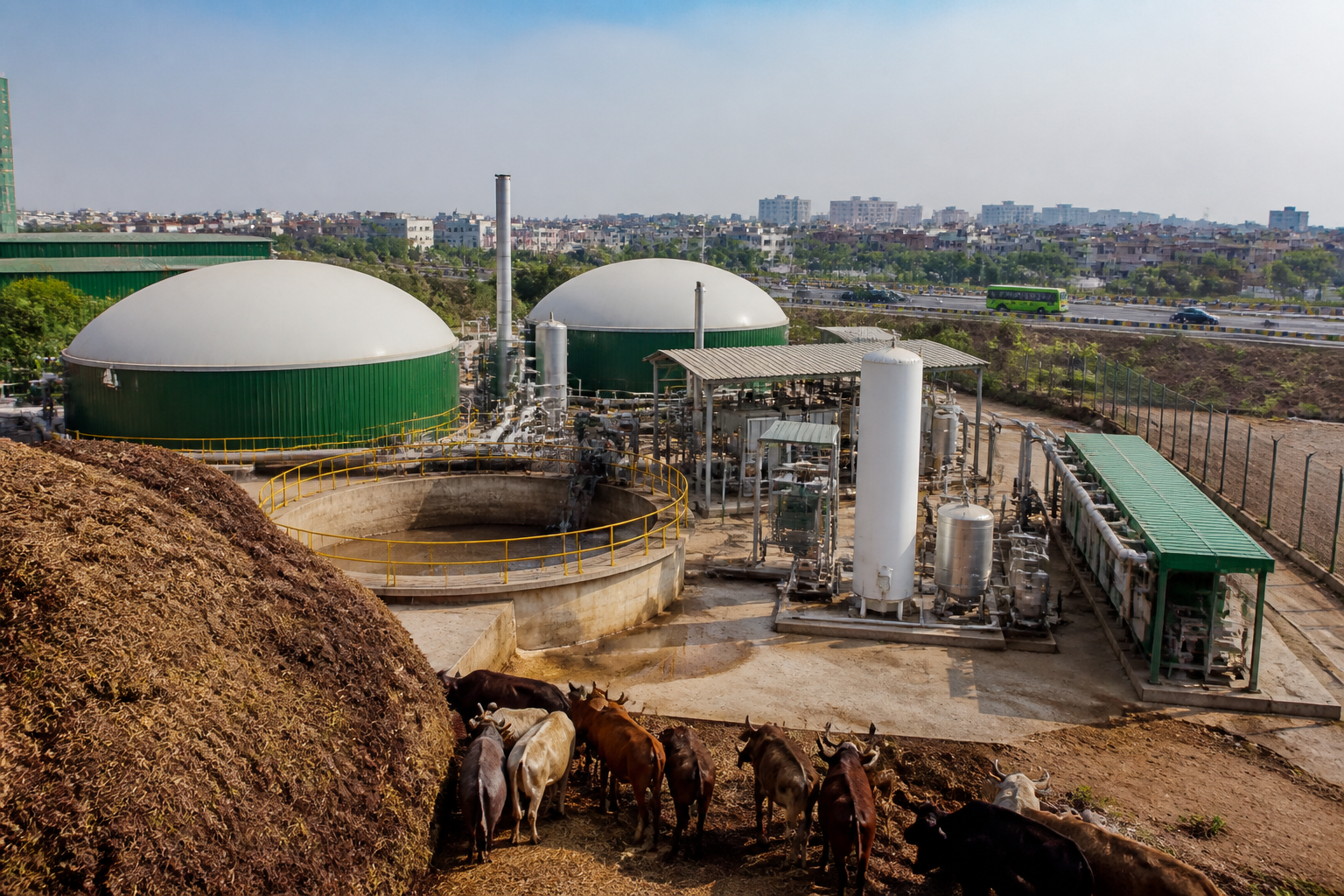
Takeuchi said compressed biogas, or CBG, had strong potential in India because cattle dung, biomass and agricultural waste could be converted into automotive fuel. He said the fuel could be carbon negative and could help curb stubble burning, with possible benefits for air quality. He also described CBG as a domestically produced fuel that could generate income and employment opportunities in rural areas.
According to Takeuchi, Suzuki is already working on biogas production in India. Three cow-dung-based biogas plants are operational, while seven additional cow-dung-based plants and four agriculture-based plants are in the pipeline. The statement did not provide locations, capacity details, investment figures or commissioning timelines for the plants.
The company is pursuing what Takeuchi described as a multi-technology pathway for sustainable mobility. This includes electric vehicles, hybrids, CNG and biofuels such as CBG and ethanol. His comments linked the choice of technology to both emissions reduction and the cost of vehicle ownership for Indian consumers.
Shenu Agarwal, the newly elected president of SIAM, said the automotive industry needed greater clarity and alignment around the transition. He said the sector would follow a multi-fuel pathway, with different technologies emerging according to vehicle segments and, in some cases, coexisting within the same segment.
Agarwal said diesel would remain in use in commercial vehicles for some time, while CNG, liquefied natural gas and electrification would become more prominent. He added that hydrogen-powered commercial vehicles could emerge when operating conditions became conducive. The industry’s immediate task, he said, was to accelerate and mature the different technologies.
The statements place affordability and technology choice at the centre of the industry’s regulatory discussion. For urban vehicle users, the outcome will depend on how future regulations interact with the purchase price, operating cost and availability of vehicles and fuels. The officials did not announce a new regulatory measure or a specific change to existing vehicle policies at the convention. Maruti Suzuki’s ongoing biogas projects and the industry’s multi-fuel position remain the next stated developments.
