Hyderabad Public Transport Sees Major Women Ridership Shift
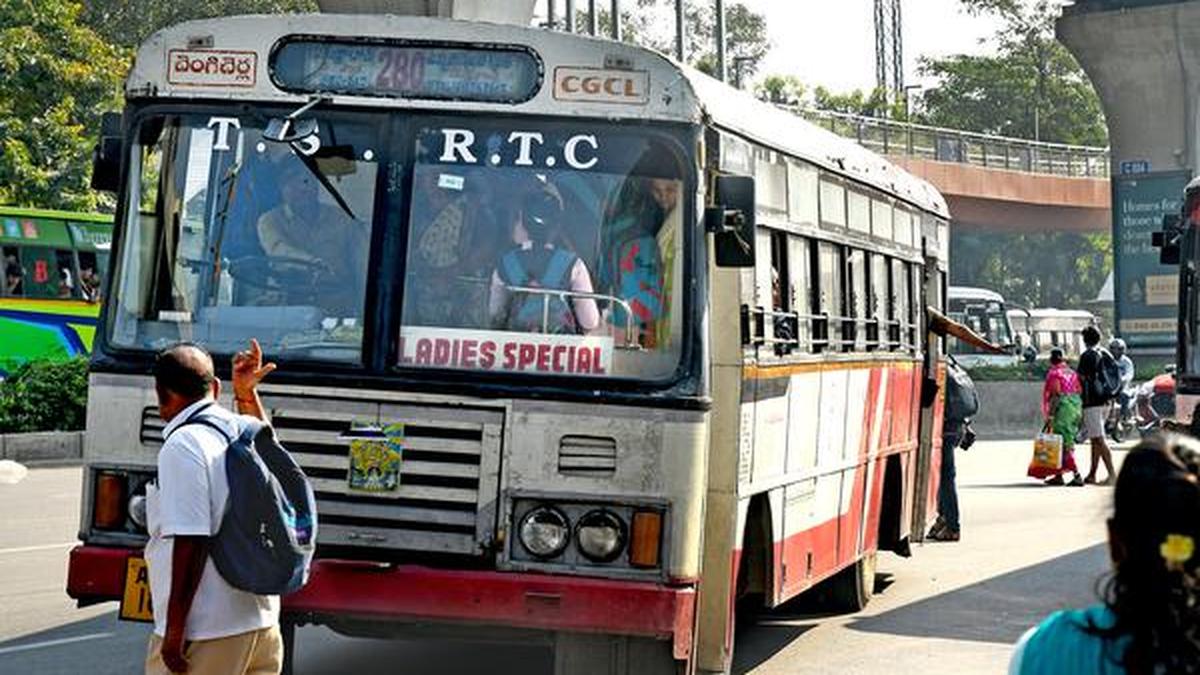
HYDERABAD: Telangana’s free bus travel programme for women has significantly increased demand for state-run public transport, with the government reporting 347.36 crore free journeys since its launch. The scheme has also been linked to a rise in the transport corporation’s occupancy rate, while planned electric buses and expanded routes could reshape public mobility across Hyderabad and the state.
The figures were presented by the state transport minister at a review meeting in Hyderabad marking 1,000 days of the Congress government. According to the government, women have collectively saved about ₹12,167 crore through the free travel programme. The reported increase in bus occupancy from around 67% to 89% is significant for a public transport system facing rising urban travel demand. Higher utilisation can improve the efficiency of existing services, but it also creates pressure to maintain adequate fleet capacity, frequency and passenger comfort. The government plans to add 2,200 electric buses to the existing fleet of 1,024. It is also undertaking the conversion of 240 diesel buses to electric operation. The shift could help reduce emissions from public transport, particularly in densely travelled urban corridors. The state has also provided tax exemptions worth about ₹1,400 crore to support electric mobility, according to the minister. However, the environmental benefit will depend on how quickly electric buses replace or supplement conventional vehicles and how charging infrastructure develops alongside the fleet.
The transport expansion is not limited to electrification. The state has purchased 2,932 new buses and added services on 370 routes in Hyderabad. Authorities are also working to improve connections to villages and locations where bus services remain limited. For commuters, the quality of these services may matter as much as the number of buses. More routes can improve access to employment, education and essential services, particularly for people who cannot rely on private vehicles. The government also plans to strengthen last-mile connectivity by linking state bus services with MMTS and Metro Rail. Better integration between these modes could reduce transfer difficulties and make public transport more practical for longer daily journeys. The programme is also changing the role of women within the transport ecosystem. Around 600 buses have reportedly been procured through self-help groups, with these groups involved in operating the services. This creates an avenue for women to participate in the transport economy rather than only benefit from subsidised mobility.
Workforce expansion is another part of the effort. Recruitment has begun for 4,538 TGSRTC positions, including drivers, shramiks and conductors. The government has also reported reinstatement of 244 former employees following case reviews. For Hyderabad, the larger question is how rising public transport demand can translate into a more accessible and sustainable mobility network. Expanding electric fleets, improving route coverage and integrating different transport modes could help the city accommodate growth without increasing dependence on private vehicles. The next phase will depend on service reliability, network integration and the ability to match fleet expansion with passenger demand. For citizens, the measure of success will ultimately be whether public transport becomes cleaner, more frequent and easier to use across the city and beyond.