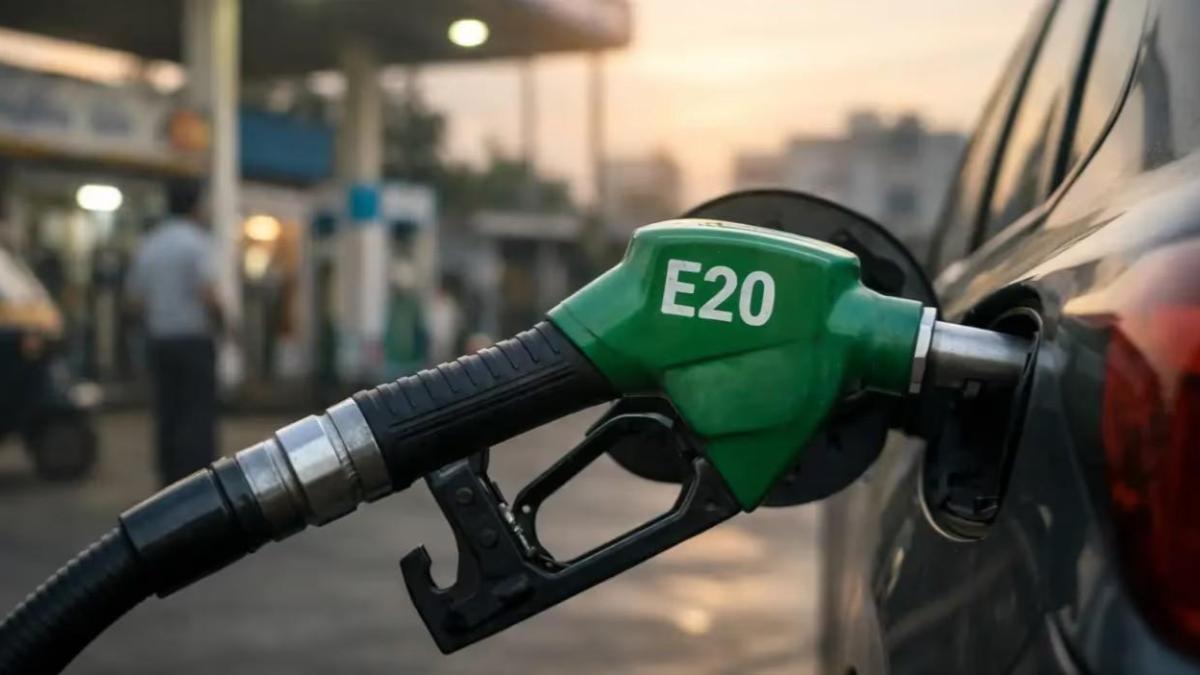
Bengaluru E20 Shift Raises Mileage And Repair Concerns
Bengaluru motorists are increasingly scrutinising the impact of E20 petrol on fuel efficiency, vehicle performance and maintenance costs as the ethanol-blended fuel becomes the standard petrol option across India. The concerns are particularly relevant for owners of older petrol vehicles, raising questions about running costs, technical guidance and how smoothly India’s fuel transition is reaching consumers.
E20 petrol contains 20% ethanol blended with 80% petrol. The nationwide shift is part of India’s effort to reduce dependence on imported crude oil and expand domestic ethanol use. However, the transition has created a new consumer concern: whether the efficiency gains expected at the national level could translate into higher day-to-day costs for motorists. In Bengaluru, some vehicle owners and fuel station operators have reported lower mileage after switching to E20. Complaints have included reduced fuel economy, stalling and changes in drivability. Technicians, however, caution against attributing every mechanical problem to ethanol, pointing out that traffic congestion, tyre pressure, driving patterns, servicing and air-conditioning use can substantially affect mileage. The mileage question is significant because even a modest reduction can increase household transport expenditure over time. Government assessments have indicated that vehicles designed around earlier petrol blends can experience some reduction in efficiency with E20, while newer vehicles calibrated for the blend are expected to minimise the difference.
Older vehicles present a more complicated picture. Government responses have maintained that testing has not established widespread engine damage from E20, although some older vehicles may require replacement of compatible rubber components and gaskets. Independent consumer surveys, meanwhile, have recorded substantially higher reports of mileage losses and increased wear among owners of pre-2023 petrol vehicles. These findings are based on consumer responses and do not by themselves establish that E20 caused the reported problems. For Bengaluru, the issue extends beyond vehicle maintenance. A city where long commuting distances and persistent congestion already increase fuel consumption could see even small efficiency changes translate into additional household costs. Clear manufacturer guidance, transparent fuel-quality monitoring and accessible servicing information will therefore become increasingly important as the transition settles.
The immediate priority is not to frame E20 as either universally harmful or risk-free, but to close the information gap. Consistent testing, transparent reporting and better consumer guidance can help distinguish genuine fuel-related effects from problems caused by ageing vehicles, maintenance or Bengaluru’s demanding driving conditions.