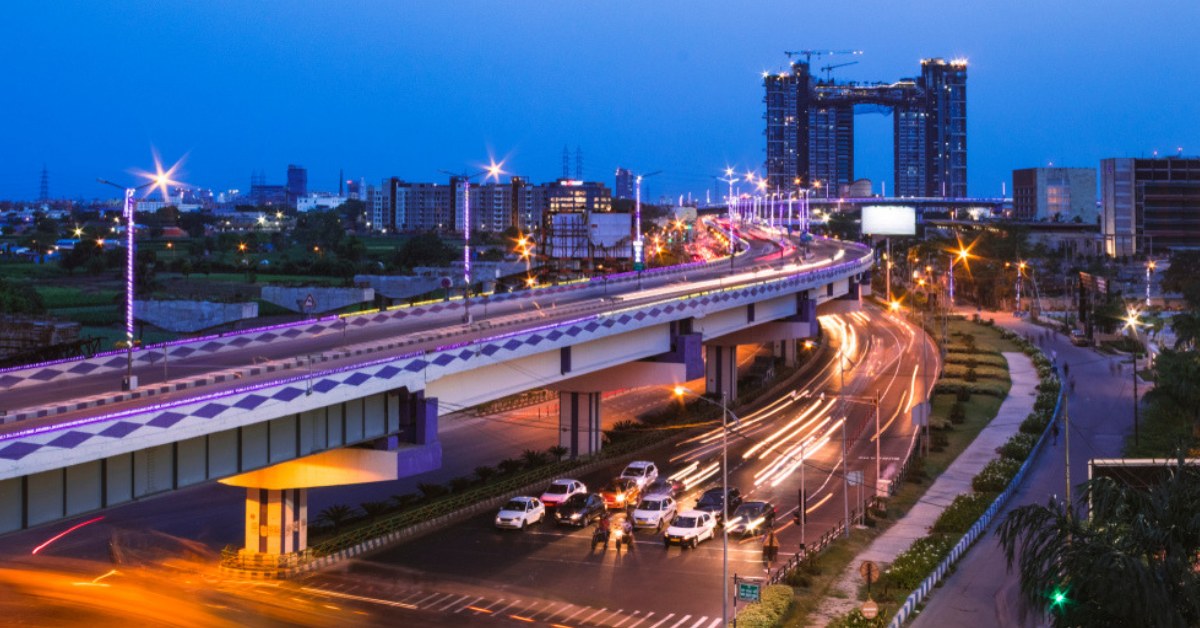
Kolkata Infrastructure Must Link Growth With Citizens
Kolkata’s infrastructure expansion is increasingly being judged not only by the scale of roads and construction contracts, but by what those investments deliver for residents. Recent infrastructure and corporate disclosures elsewhere in India underline a broader issue for the city: as public and private capital flows into transport and construction, basic services, local economic opportunity and environmental outcomes must remain part of the equation.
Infrastructure companies continue to secure sizeable government-linked assignments across India. One recent example is B R Goyal Infrastructure’s ₹119.85 crore contract from the National Highways Authority of India for operations at the Surapattu Fee Plaza on Chennai Bypass Phase-II. The one-year assignment includes fee collection and maintenance of adjoining toilet facilities.While that contract is outside West Bengal, its structure highlights an issue relevant to Kolkata’s wider transport economy. Road infrastructure is not simply about laying asphalt or expanding capacity. The quality of roadside amenities, maintenance, pedestrian access and day-to-day operations can directly influence how efficiently people and goods move through an urban region.For Kolkata, this matters as the metropolitan economy becomes increasingly dependent on reliable links between residential areas, employment centres, logistics zones and surrounding municipalities. Poorly maintained road edges, inadequate pedestrian infrastructure and fragmented public facilities can reduce the benefits of larger transport investments.
The financial side of infrastructure also offers another signal. Rachana Infrastructure reported ₹9 lakh of CSR expenditure in FY2025-26 against a prescribed obligation of ₹8.46 lakh. The disclosed spending supported education and healthcare through a local implementing organisation, with no amount left unspent.The disclosure is not a Kolkata project, but it raises a useful question for infrastructure-led growth in the city: how closely should corporate community spending connect with the places and communities affected by construction activity?Rachana’s own CSR policy identifies areas including education, healthcare, youth empowerment, rural development and environmental conservation. For a dense metropolitan region such as Kolkata, locally targeted programmes could complement not replace public investment in skills, health, education and environmental resilience.Urban planners say the larger challenge is ensuring that infrastructure expansion does not become disconnected from everyday urban needs. New roads and real estate can support economic growth, but their value depends on accessibility, safety, drainage, public transport integration and climate resilience.
For Kolkata, the next phase of infrastructure development therefore needs a broader measure of success: not merely how much is built, but whether investment produces a safer, more accessible and economically productive city while reducing long-term environmental pressures.