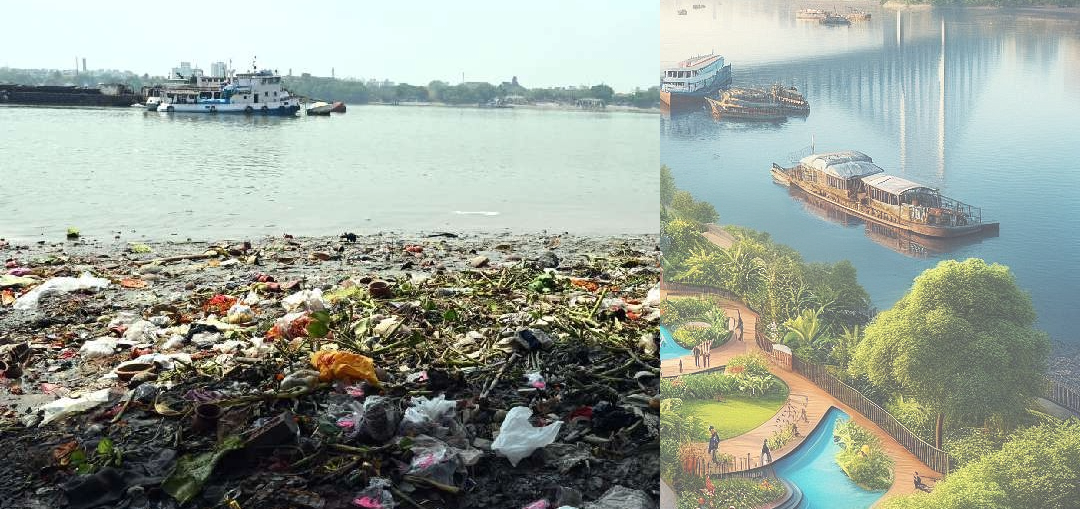
West Bengal Tightens Rules Around Public Cleanliness
West Bengal has begun enforcing monetary penalties for several public hygiene violations, bringing a tougher compliance regime to municipalities and municipal corporations across the state. From September 1, people can be fined for spitting, littering, illegal waste dumping, public urination or defecation, and using banned plastic carry bags. The move matters because its success will depend as much on civic infrastructure and enforcement as on changing public behaviour.
The penalties range from ₹100 to ₹200. Spitting in public attracts a ₹100 fine, while littering, illegal dumping, public urination or open defecation and the use of prohibited plastic bags below the prescribed thickness can result in a ₹200 penalty. Authorised civic personnel are responsible for enforcement, with collections being made through digital payment methods.The policy applies across the state’s urban local bodies. A similar enforcement phase had already been introduced in parts of the Darjeeling hills earlier this year, before the wider rollout.For cities such as Kolkata, the more significant question is whether penalties can become part of a functioning sanitation system rather than operate as isolated enforcement measures. Existing municipal provisions have already allowed authorities to penalise several forms of public nuisance, but implementation has often been inconsistent. The renewed drive therefore puts administrative capacity under scrutiny as much as citizen conduct.
That challenge is particularly relevant where basic public facilities remain uneven. Authorities have acknowledged that additional dustbins and public toilets are still being installed, including around markets and transport locations. Households in residential areas are instead expected to segregate waste and hand it over to sanitation workers.The plastic component also introduces a supply-side issue. Vendors and consumers need accessible alternatives if restrictions on thin plastic bags are to work at scale. Authorities are facilitating vending points for alternatives such as cloth and plant-based bags, although coverage across the state’s many markets will take time.Urban planners note that enforcement tends to work better when residents have convenient options for disposing of waste and accessing sanitation facilities. Without those systems, fines can shift the burden towards citizens without addressing the infrastructure gap.
The new West Bengal civic fines therefore represent more than a cleanliness campaign. They are a test of whether municipal enforcement, waste collection, sanitation access and public participation can operate as one system.Over the coming months, the key measure will not simply be the number of penalties issued. Cleaner streets, better waste segregation and reliable public sanitation will provide a stronger indication of whether the policy is delivering lasting urban improvements.