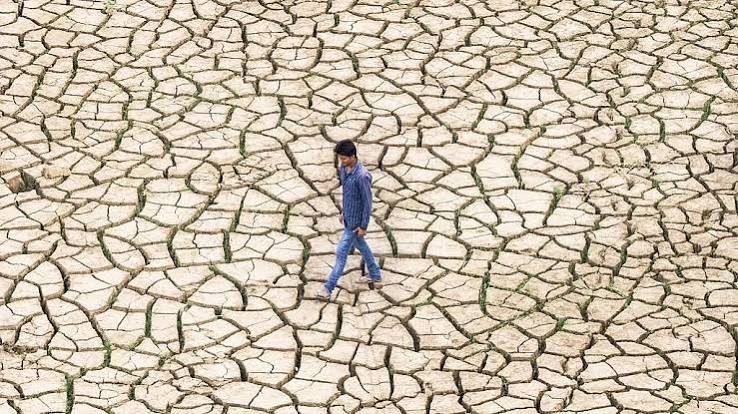
Bengaluru ended August with a 63% rainfall deficit, highlighting an unusually uneven monsoon pattern across the city and wider Karnataka. The sharp shortfall comes despite periods of intense rainfall earlier in the season, underscoring how a few heavy spells cannot necessarily compensate for prolonged dry periods.
The changing rainfall pattern has implications for the city’s water planning, lakes and stormwater systems. The Bengaluru rainfall deficit was recorded against the normal August rainfall expected for the city. While isolated spells can produce substantial rain over short periods, monthly totals can remain below average when dry intervals persist. For Bengaluru, the pattern is significant because the city depends on a combination of rainfall, groundwater and reservoir systems to meet its growing water requirements. A weaker monsoon can affect recharge opportunities, particularly when rainfall arrives in short, intense bursts that generate runoff rather than allowing water to infiltrate the ground. Urban water planners have increasingly highlighted the importance of retaining rainfall within the metropolitan area. Lakes, wetlands, open spaces and functioning drainage networks can slow runoff and provide opportunities for groundwater recharge. Their role becomes more important when rainfall becomes less evenly distributed. The rainfall deficit also illustrates the difficulty of relying on historical averages for urban water planning. Climate variability can produce alternating periods of intense rain and extended dry conditions.
Infrastructure designed around predictable seasonal rainfall can therefore face pressure from both extremes. For residents, a rainfall shortage does not necessarily translate into an immediate water crisis. However, sustained deficits can affect reservoir inflows and groundwater conditions over time. The impact can be more pronounced in areas that depend heavily on borewells or have limited access to reliable piped supply.The Bengaluru rainfall deficit also needs to be viewed alongside the city’s flood-management challenge. A city can experience both rainfall shortages and flooding within the same season when heavy showers occur over short periods. Rapid runoff from paved surfaces can overwhelm drains even when overall seasonal rainfall remains below normal. This makes water-sensitive urban planning increasingly relevant. Protecting lake catchments, maintaining stormwater channels, expanding permeable surfaces and improving rainwater harvesting can help Bengaluru retain more water while reducing flood risks during intense downpours. The August figures therefore present a mixed signal rather than a simple dry-weather story. Bengaluru needs infrastructure capable of responding to scarcity as well as sudden rainfall extremes.
The focus now will be on how the remaining monsoon period performs and whether rainfall can narrow the seasonal gap. Regardless of the final figures, the deficit reinforces the need for Bengaluru to manage rainfall as a resource, rather than allowing much of it to either run off rapidly or remain disconnected from the city’s long-term water system.