Bengaluru Residents Turn Waste Spot Into Community Space
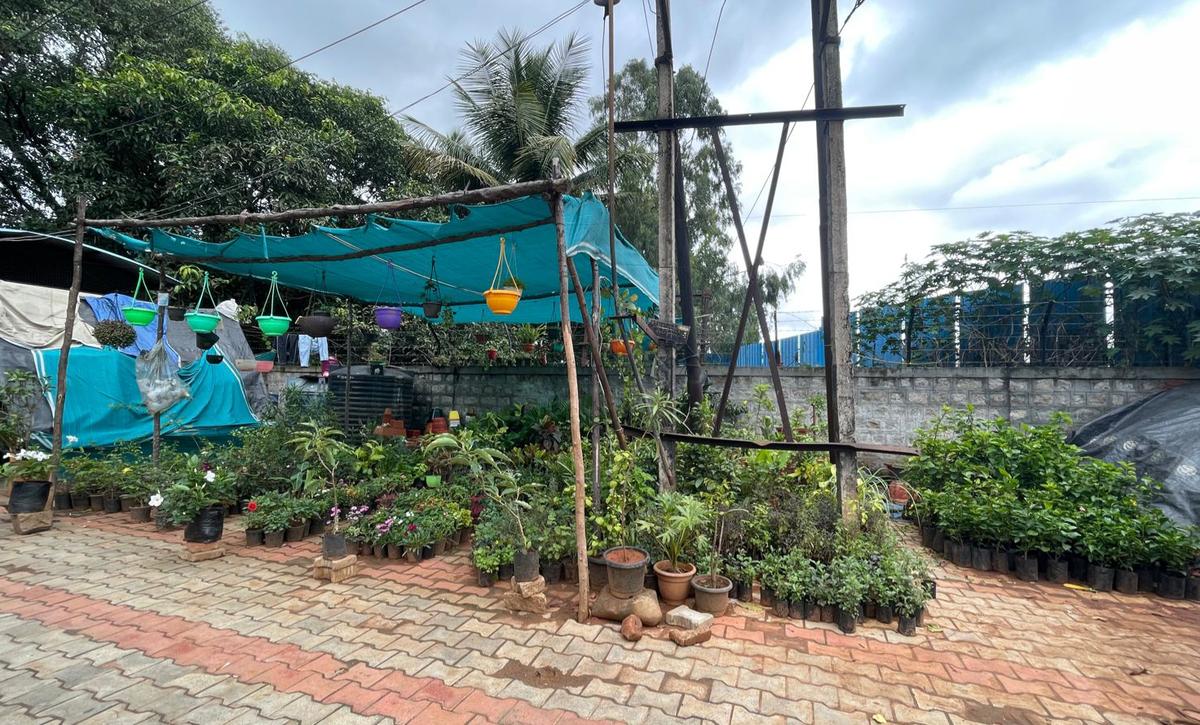
A neglected garbage dumping point in Bengaluru has been transformed into a community space after residents came together to reclaim the site. The neighbourhood-led effort demonstrates how local participation can change poorly managed urban spaces while raising a larger question for the city: whether waste-prone public areas can be redesigned as cleaner, safer and more useful community assets.
The transformation began with residents taking collective responsibility for a site that had become associated with recurring waste accumulation. Instead of treating the location only as a sanitation problem, the community worked towards giving the space a more practical purpose. The initiative offers a different perspective on Bengaluru waste management, where several neighbourhoods continue to face challenges involving littering, irregular disposal and the misuse of public spaces. While formal collection systems remain essential, community ownership can play an important role in preventing cleaned locations from reverting to dumping points. Urban planners say such interventions can be particularly effective when physical improvements are combined with regular maintenance and clear responsibility. A painted wall, landscaped patch or seating area alone cannot prevent dumping unless residents, civic agencies and surrounding establishments have a system for keeping the space clean. The converted site also demonstrates the value of small-scale urban interventions. Bengaluru’s public-space challenges are not limited to large parks and civic projects. Roadside corners, vacant plots and former dumping points can affect neighbourhood liveability despite occupying relatively small areas. From an environmental perspective, reclaiming waste sites can reduce local litter and discourage practices that contaminate soil or obstruct drainage.
During heavy rainfall, improperly dumped waste can enter stormwater channels and contribute to blockages, making neighbourhood cleanliness part of the city’s wider climate-resilience challenge. There is also a social dimension. Well-maintained shared spaces can provide residents with places to meet, interact and spend time within walking distance of their homes. Such spaces can be particularly valuable in dense neighbourhoods where private open areas are limited. The experience points towards a broader model for Bengaluru waste management: prevention and behaviour change need to complement collection. Identifying recurring dumping locations, understanding why people use them and then converting suitable sites into active community spaces could offer a practical way of breaking the cycle. However, long-term success will depend on maintenance. Waste removal, lighting, landscaping and civic oversight must continue after the initial transformation. Otherwise, even a successful community-led project can gradually deteriorate.
For Bengaluru, the experiment is a reminder that urban improvement does not always require large infrastructure investments. Reclaiming small, neglected spaces can improve neighbourhood conditions when residents are involved and civic systems provide sustained support. The bigger challenge is to replicate that approach without shifting the responsibility for basic sanitation entirely onto communities.