Mumbai Schools Set For Digital And Infrastructure Upgrade
Mumbai’s civic education system is set for a larger financial allocation in 2026–27, with the municipal corporation proposing ₹4,248.08 crore for schools and related programmes. The proposed outlay is higher than the previous year’s ₹3,674 crore and combines spending on physical upgrades, learning materials and digital infrastructure. The scale of the allocation makes the education budget an important measure of how Mumbai is investing in the public services that support its next generation. The proposal includes an estimated ₹3,758 crore in revenue expenditure and around ₹490 crore in capital spending. Revenue expenditure covers recurring costs, while capital expenditure funds longer-term assets and infrastructure. The relatively smaller capital component means much of the allocation remains directed towards running the existing education system rather than creating new physical capacity.
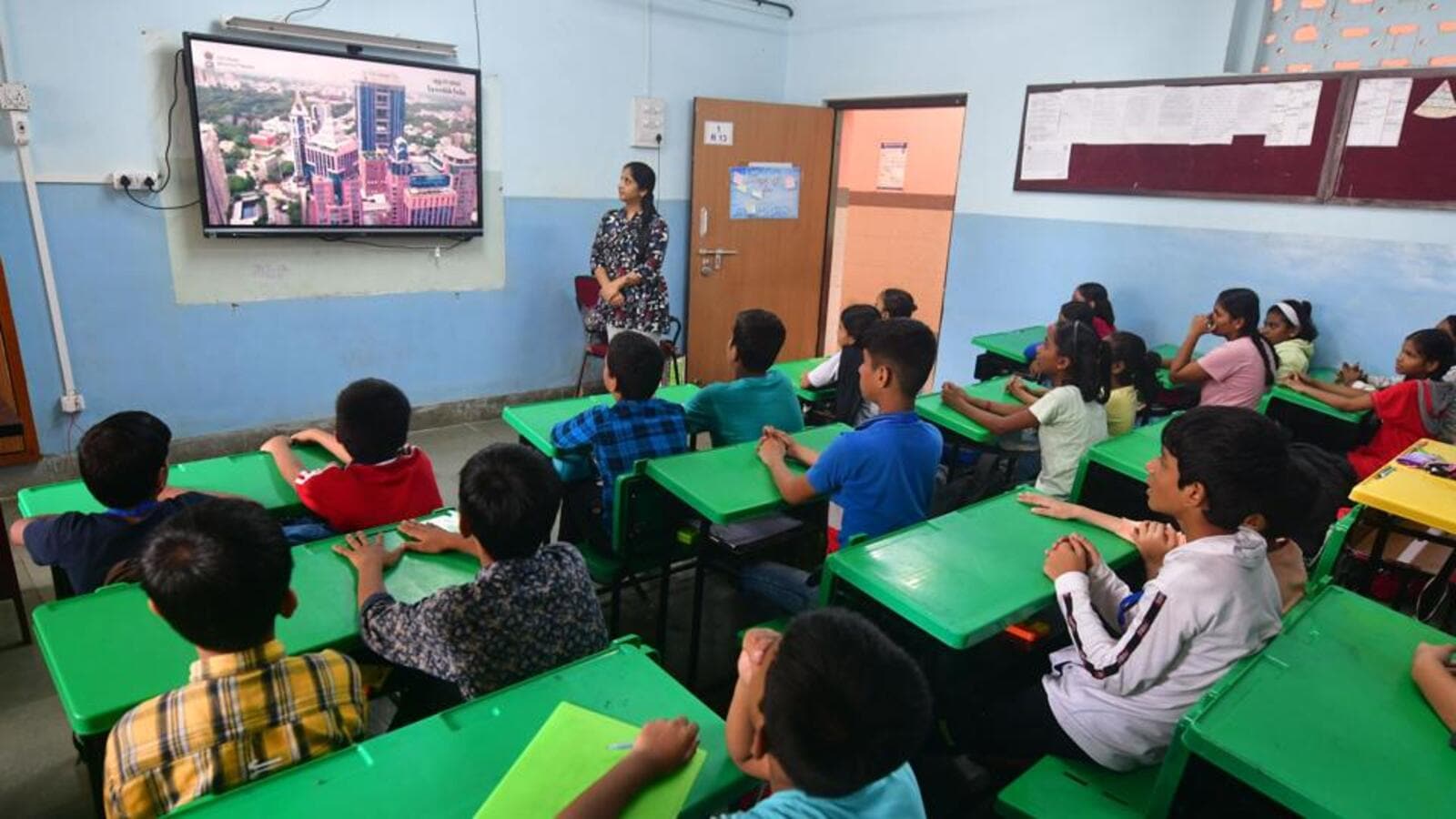
School infrastructure is among the major priorities. The civic body has earmarked ₹340 crore for repairs, upgrades and reconstruction. For ageing municipal schools, such spending can have an impact beyond classroom appearance, particularly where buildings require improvements to electrical systems, sanitation, accessibility and climate resilience. The Mumbai education budget also includes ₹187.57 crore for free scholastic materials for primary and secondary students. Such provision can reduce the cost burden on families and help improve access to basic learning resources across different income groups. Technology receives another significant allocation. The proposal provides ₹24.46 crore for continuing digital classrooms and ₹21.83 crore for 19,317 tablets intended for Class 9 students. While devices can expand access to digital learning, education specialists note that their effectiveness depends on teacher training, reliable connectivity, maintenance and meaningful classroom integration.
The Mumbai education budget also moves beyond conventional academic infrastructure. A ₹3 crore provision has been proposed for astronomical laboratories in 40 schools, while ₹5 crore is earmarked for experimental science parks at two school buildings. These initiatives could broaden practical learning, although their long-term value will depend on how consistently students and teachers use the facilities. Safety and student preparedness are also included. A ₹42 crore provision has been made for CCTV systems across school premises. Road safety programmes involving 9,480 students are scheduled to continue, while disaster-management training is planned for pupils in Classes 6 to 10. Cyber literacy for Classes 8 and 9 is also proposed through collaboration with a national forensic sciences university. From an urban-development perspective, school investment has wider consequences. Well-maintained public schools reduce pressure on household budgets and strengthen neighbourhood-level social infrastructure. Energy-efficient buildings, improved ventilation, water management and resilient facilities could also reduce future operating costs while making schools better equipped for Mumbai’s increasingly demanding climate conditions.
The proposed Mumbai education budget will ultimately be judged by delivery rather than allocation alone. Transparent procurement, timely construction and measurable learning outcomes will determine whether the increased spending translates into safer buildings, stronger teaching environments and more equitable educational opportunities across the city.