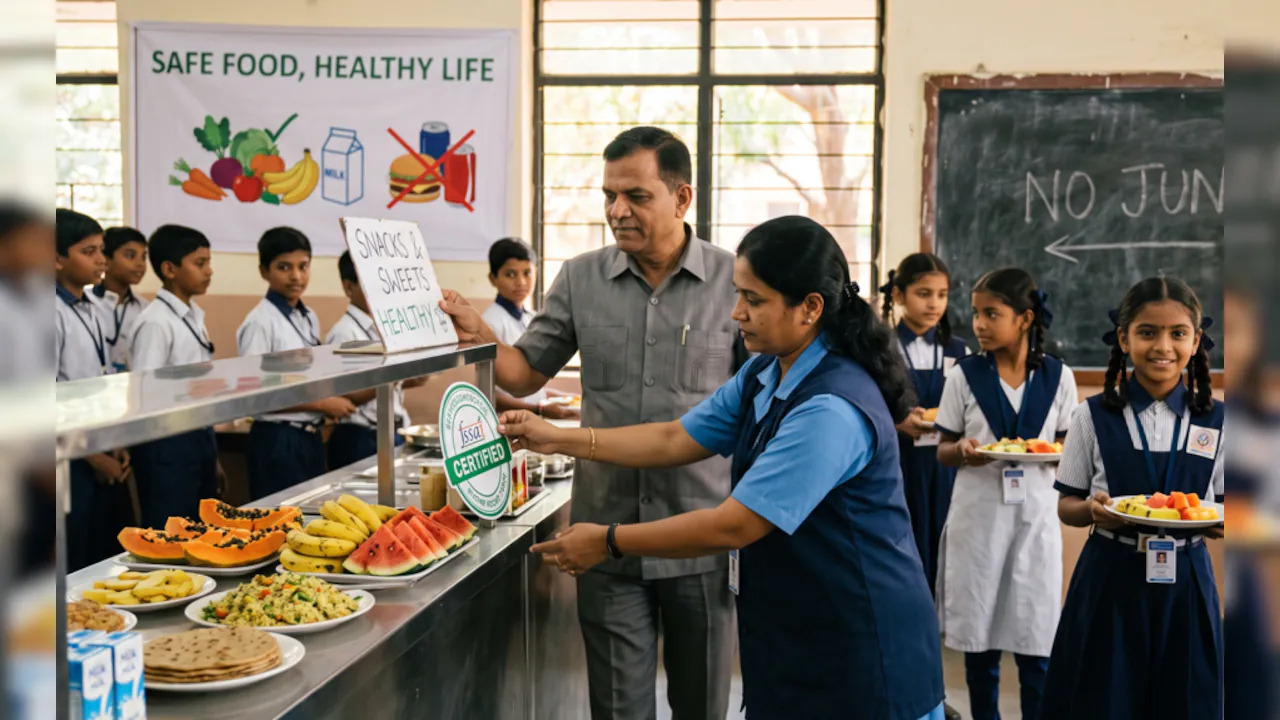
Concerns over food safety in meals supplied to municipal schools have triggered demands for closer inspections across Mumbai. Elected representatives have sought intervention from Maharashtra’s food safety authorities and scrutiny of suppliers responsible for preparing and distributing meals. The issue goes beyond individual complaints: for a large public-school system, weak food controls can affect children’s wellbeing, public confidence and the accountability of outsourced civic services. The concerns have prompted an elected member of the civic education committee to approach the state Food and Drug Administration (FDA), seeking inspections and action where suppliers are found to have breached required standards. The request places the focus on whether existing monitoring arrangements are sufficient to detect hygiene failures before food reaches students.
School meals form an important part of the public education ecosystem, particularly for children from households where school-provided nutrition can supplement daily food intake. That makes consistency in quality, preparation and distribution as important as the educational environment itself. A failure in one part of the supply chain can therefore have consequences beyond the immediate meal. The Mumbai school meals system also presents a procurement and governance challenge. When food preparation is contracted to external agencies, the civic administration must maintain clear specifications, regular inspections and traceable accountability. Food safety checks need to cover kitchens, storage facilities, transportation and serving conditions rather than concentrating only on the finished meal. A senior food-safety official would typically assess factors such as cleanliness, food handling, storage temperatures and compliance with applicable safety requirements during an inspection. Corrective measures can then range from directions for improvement to regulatory action where violations are established.
The demand for inspections is therefore significant because it can establish whether reported concerns reflect isolated lapses or wider weaknesses in the supply network. For the BMC, the matter also carries a financial dimension. Public procurement of food involves recurring expenditure, and poor-quality delivery can create costs through complaints, replacements, health risks and contract disputes. Stronger oversight can help ensure that public spending delivers both nutritional value and basic safety. Urban planners and education-sector experts increasingly view school infrastructure as part of a broader social resilience network. Safe meals, sanitation, clean water and accessible facilities all influence whether children can use public education services effectively. In densely populated neighbourhoods, these systems are particularly important because schools often serve communities with limited alternatives.
The Mumbai school meals issue now moves towards verification and enforcement. Inspections, transparent findings and clear action against non-compliant suppliers would help determine whether the current concerns require targeted corrections or a broader redesign of food-service oversight. For families, the immediate priority remains straightforward: meals provided through public institutions must be safe, hygienic and dependable.