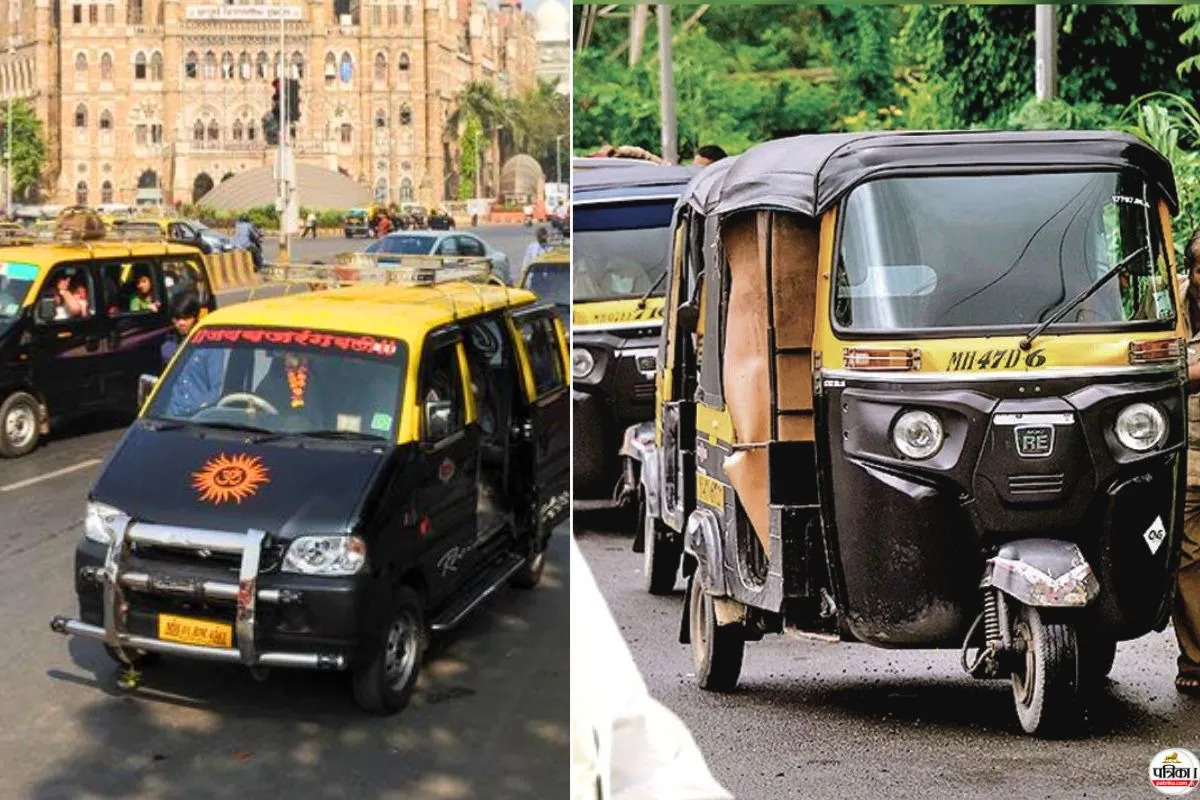
Mumbai Auto Taxi Fares Set For September Increase
Mumbai Metropolitan Region commuters will pay more for black-and-yellow taxis and auto-rickshaws from September 1 after the regional transport authority approved a revision in regulated fares. The increase, although modest per trip, will affect a large daily commuter base and comes as the region continues to balance affordable mobility with rising operating costs across its transport network. Under the revised structure, the minimum black-and-yellow taxi fare for the first 1.5 km will move from ₹31 to ₹33. The corresponding minimum charge for an auto-rickshaw will rise from ₹26 to ₹27. The changes apply across the Mumbai Metropolitan Region.
The adjustment also raises the distance-based charges. Taxi fares will increase to ₹21.90 per km from ₹20.66, while the auto-rickshaw rate will move from ₹17.14 to ₹18.22 per km. The revision follows the fare-calculation framework recommended by the Khatua committee for Maharashtra’s regulated taxi and auto-rickshaw services. For passengers, the immediate impact will vary according to journey length. A short trip may see only a small increase, but regular users making several journeys each week will face a cumulative rise in transport spending. This is particularly relevant for workers and students who rely on autos and taxis to bridge the gap between railway stations, Metro corridors and workplaces. The fare change also reflects a broader challenge in urban transport economics. Drivers face expenses linked to fuel, maintenance, vehicle financing and operating time, while passengers remain sensitive to even small increases in daily travel costs. A sustainable fare structure therefore needs to keep services viable without making shared urban mobility less accessible.
The region has more than 4.5 lakh registered auto-rickshaws and over 50,000 black-and-yellow taxis. Most operate on compressed natural gas, giving these modes a relatively cleaner fuel profile than comparable petrol-powered vehicles. Their role as last-mile transport is also important as Mumbai expands its Metro and suburban rail network. The revised fares will not automatically apply to every vehicle from September 1. Drivers must first have their electronic meters recalibrated. The authorities have allowed recalibration until the end of November, with penalties applicable to vehicles that fail to comply. The revision comes 18 months after the previous increase, when fares for both categories were raised by ₹3. For commuters, the next issue will be enforcement: transparent meter use and clear communication will be essential to prevent disputes over charges.
As Mumbai’s public transport network becomes more interconnected, affordable last-mile services will remain critical. The Mumbai auto taxi fare revision therefore needs to be viewed alongside service reliability, passenger access and the wider cost of commuting across the metropolitan region.
Mumbai Auto Taxi Fares Set For September Increase