The National Green Tribunal has expanded the scope of an environmental case over waste dumping in the Diva-Mumbra creek belt by bringing the Brihanmumbai Municipal Corporation into the proceedings. The move follows pollution-control findings that waste at the contested site may have originated from Mumbai, placing greater attention on how municipal waste is transported, tracked and disposed of across administrative boundaries. The Diva mangrove case concerns allegations of damage to nearly 27 hectares of mangroves and Coastal Regulation Zone-I land, which carries stringent environmental protections. The tribunal’s Western Zone Bench in Pune directed that the BMC be added as a respondent following information placed before it by the Maharashtra Pollution Control Board.
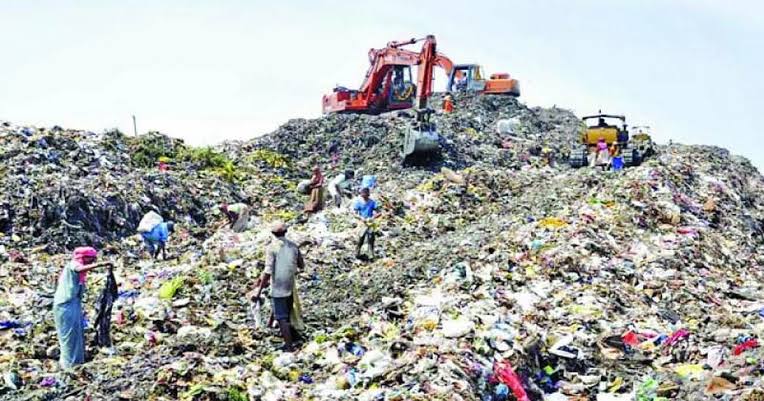
The development shifts the issue beyond a dispute over a single dumping location. It raises questions about accountability when waste generated in one municipal jurisdiction is allegedly found in another, particularly where disposal affects ecologically sensitive coastal land. For Mumbai and the wider metropolitan region, the case highlights the difficulty of managing waste as urban boundaries become increasingly interconnected. A joint inspection by the Thane civic administration and the state pollution-control authority on April 16 found municipal solid waste being unloaded from a dumper. Inspectors also recorded accumulated legacy waste and construction and demolition material being moved and levelled with heavy machinery. The findings prompted directions for corrective action and prevention of further dumping.
The Diva mangrove case also sits within a longer-running regulatory dispute. In 2025, the pollution-control authority imposed environmental compensation of ₹10.2 crore on the Thane civic body following tribunal directions over earlier waste dumping and the failure to clear accumulated material. Reporting at the time linked the penalty to environmental damage, including destruction of mangrove cover in a regulated coastal zone. Mangroves are not simply vacant coastal land. Their root systems help stabilise shorelines, support biodiversity and reduce the impact of flooding and tidal surges. Filling creek-side wetlands with waste can also interfere with natural water movement, increasing longer-term risks for surrounding settlements and infrastructure. The BMC has disputed that evidence establishing its involvement has been presented and is expected to place its position before the tribunal. The Thane civic administration, meanwhile, has maintained that it did not authorise dumping at the site.
The immediate focus will now be on establishing the source, movement and responsibility for the waste, alongside restoration of affected land. For Mumbai Metropolitan Region authorities, the case underlines the need for traceable waste logistics and stronger coordination between neighbouring jurisdictions, particularly where disposal decisions can create lasting ecological and infrastructure costs.