Pune’s Workcation Potential Faces Infrastructure Test
Pune remains one of India’s major flexible-office markets, but it was not included among the Indian cities featured in the 2026 Work From Anywhere Index. The omission comes as hybrid employment and longer remote-working stays reshape demand for workspace, accommodation and urban mobility. For Pune, the result raises a broader question: does its strong technology and business base translate into a city experience capable of supporting mobile professionals?
The index evaluates destinations on factors including climate, transport, accommodation, broadband, culture, food and access to flexible workspaces. Mumbai was the only Indian city included, recording a score of 77. Pune, Bengaluru and Delhi-NCR, despite their substantial corporate and flexible-office ecosystems, did not make the final list. Pune already has several characteristics that could support a larger workcation economy. Its concentration of technology companies, education institutions and professional services has created sustained demand for coworking and flexible offices. The city also has a large young workforce and a sizeable population of professionals accustomed to hybrid working arrangements. Workspace availability, however, is only one part of the equation. Someone extending a holiday while working remotely needs reliable internet, convenient accommodation and affordable transport between where they stay, work and spend their leisure time. These factors become more important when a visitor remains in the city for a week or longer.
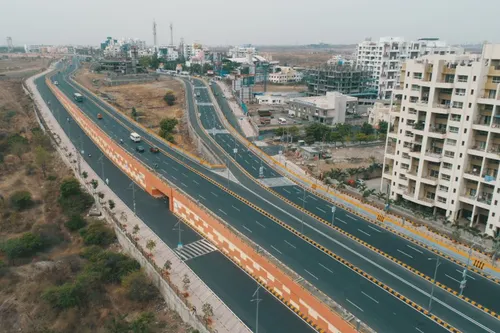
Pune’s transport network presents a mixed picture. Metro expansion has improved mass-transit options, while buses remain important for daily travel. Yet rapid peripheral development and rising private vehicle use have placed considerable pressure on roads. Areas such as Hinjawadi, Baner, Wakad and Kharadi have experienced significant commercial and residential growth, making reliable connections between employment centres and housing increasingly important. The city’s real-estate growth also creates both opportunity and risk. Flexible workspaces can make better use of commercial buildings and support a more distributed employment model. At the same time, rising demand for short- and medium-term accommodation could add pressure to already expensive urban locations unless housing supply keeps pace. Digital infrastructure will be equally important. For remote workers, broadband reliability is effectively a utility. A city may offer attractive workspaces and a strong lifestyle, but inconsistent connectivity can quickly undermine its competitiveness.
There is also an environmental dimension. A successful workcation model should not simply increase visitor numbers. Its long-term value depends on whether visitors can rely on public transport, walkable neighbourhoods, energy-efficient buildings and efficient urban services. Otherwise, additional travel and resource consumption could offset some of the economic benefits. For Pune, the lesson from the ranking is less about tourism and more about urban readiness. The city already possesses much of the economic infrastructure required for remote work. Strengthening connectivity, public transport, digital networks and inclusive accommodation could determine whether that business advantage develops into a broader workcation economy.