Hyderabad Metro Capacity Push Targets Crowded Routes
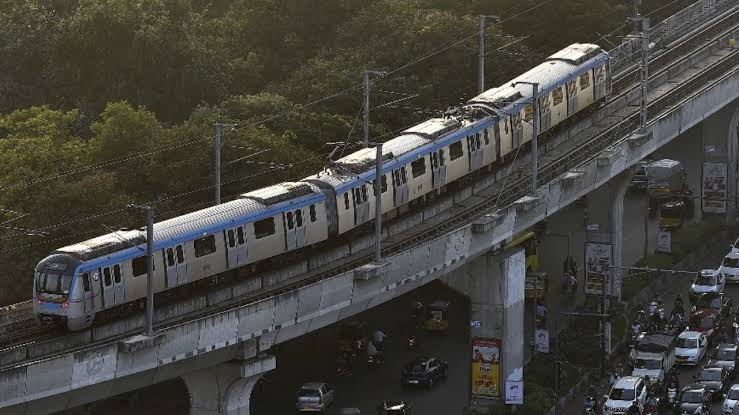
Hyderabad is moving to strengthen Metro capacity as rising passenger demand puts pressure on the existing network, while work on the proposed Old City corridor also gathers pace. The state has directed Hyderabad Metro Rail Limited (HMRL) to procure additional coaches, with 10 units planned, even as officials work through technical and procurement issues linked to the existing fleet.
The move comes as the city seeks to make mass transit more capable of absorbing future travel demand. Adding trains or coaches can increase carrying capacity without requiring immediate expansion of every part of the operating network. For commuters, that could mean more space and potentially better service during peak periods. However, the procurement is not simply a matter of placing an order. The new coaches must be compatible with the technology and systems already used on Hyderabad’s first-phase Metro network. Officials are therefore consulting the Delhi Metro Rail Corporation (DMRC) on specifications, manufacturer selection and technical inspection. This process is important because mismatched rolling stock can create operational, maintenance and safety complications over the life of a metro system. The capacity push is taking place alongside a renewed effort to advance the Old City Metro corridor between Mahatma Gandhi Bus Station and Chandrayangutta. The proposed 7.5-km section, with six stations, forms part of the wider Phase-II programme. HMRL’s official tender records show that the corridor was put out for consultancy earlier this year, while a fresh Phase-II Package-I consultant tender now covers the MGBS-Chandrayangutta section along with three other corridors.
The project also faces a practical urban challenge: infrastructure expansion in a densely developed part of the city requires land acquisition and road widening alongside Metro construction. These works can affect businesses, homes, pedestrian movement and local traffic well before passengers see the benefits of a new line. From a sustainability perspective, increasing Metro capacity is significant because reliable high-capacity public transport can help cities accommodate population and economic growth with less dependence on private vehicles. But the benefits will depend on how well stations connect with buses, walking routes and other modes, particularly for residents who rely on affordable public transport for work and education.
The immediate priority is therefore twofold: bring additional rolling stock into service without compromising technical reliability, and advance the Old City corridor without losing sight of accessibility, safety and disruption management. The success of both efforts will be measured less by construction milestones than by whether Hyderabad’s growing commuter base gains a dependable alternative to road travel.