Gujarat Infrastructure Gets Major Renewable Power Link
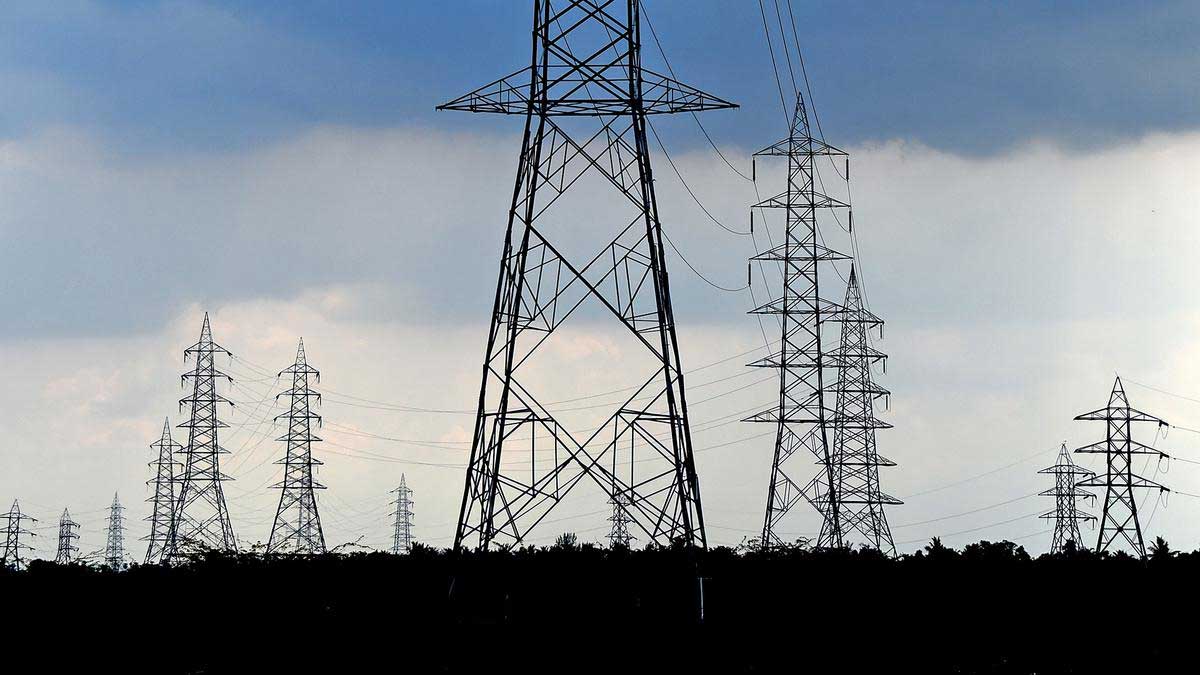
A major transmission infrastructure project in Gujarat is set to strengthen the state’s ability to move electricity from large renewable-energy zones to the wider grid. The ₹822.91-crore annual tariff project will connect planned renewable capacity in Jam Khambhaliya and Jamnagar, highlighting a growing infrastructure challenge: generation can expand quickly, but cities, industries and households benefit only when the power network can carry it reliably.
The project covers renewable-energy developments totalling 6,500 MW across the two zones — 5,500 MW in Jam Khambhaliya Renewable Energy Zone Phase II and another 1,000 MW in Jamnagar Phase I. The transmission system is being developed under the Build, Own, Operate and Transfer model after a tariff-based competitive bidding process. The Letter of Intent was received on 21 August.At the centre of the Gujarat infrastructure expansion will be a new gas-insulated substation at Kalyanpur. The works also include additional transformer capacity and extensions to existing bays at substations that are already under construction. New 765 kV transmission lines will form another major part of the network, allowing large volumes of electricity to move across the state.The significance goes beyond the power sector. Gujarat has become a major location for large-scale renewable development, particularly in areas with strong solar and wind potential. That growth is changing the infrastructure requirements of the state.
Transmission corridors, substations and grid-management systems must expand alongside generation assets if new capacity is not to remain stranded or face delays in evacuation.For businesses, a stronger grid can support more predictable electricity supply and improve the infrastructure base around industrial areas. For households and communities, however, the value of such investment will ultimately depend on reliability, affordability and the wider resilience of the electricity system. Large transmission projects also require careful land planning and attention to the communities and landscapes crossed by new corridors.Urban planners and energy experts increasingly view transmission as a critical part of climate-resilient infrastructure rather than a back-end utility investment. As renewable generation moves further from major demand centres, the grid becomes the physical connection between cleaner generation and everyday economic activity.
The Gujarat infrastructure programme therefore points to a broader planning requirement: renewable generation, transmission, land use and future demand need to be planned together. The next test will be timely execution, coordinated development of substations and lines, and ensuring that additional grid capacity translates into dependable electricity for the people and productive economy it is designed to serve.