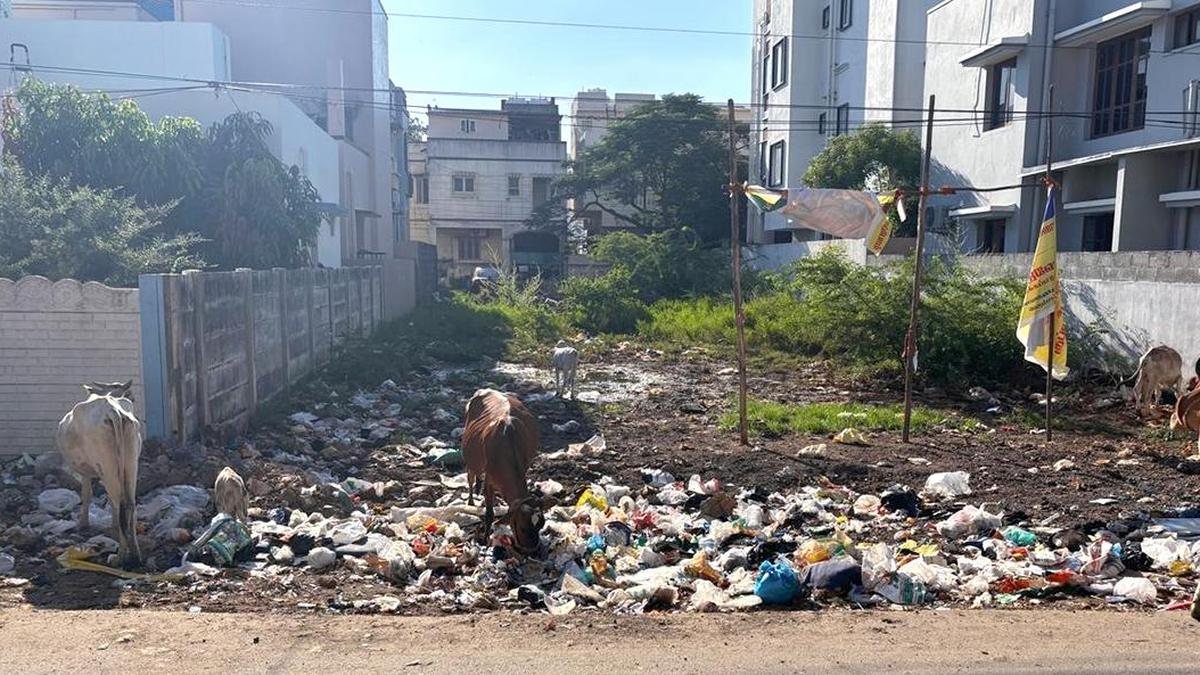
Bengaluru Vacant Plot Cleanup Moves Into Enforcement
Bengaluru is moving from warnings to direct civic action on neglected vacant plots after only about 20% of owners in some areas complied with the August 22 cleanup deadline. The five city corporations under the Greater Bengaluru Authority will begin clearing sites from August 27, with owners expected to bear the cost where civic agencies step in. The move turns private land maintenance into a wider urban sanitation and accountability issue.
Revenue officials have been asked to identify plots requiring intervention and issue notices through marshals and junior health inspectors. Where owners fail to respond, civic teams will undertake the cleaning using equipment including JCBs, tippers and tractors. The expenses are to be recovered through the property’s tax account, creating a direct financial incentive for owners to maintain unused land. The problem extends beyond overgrown vegetation. Vacant plots can become informal dumping points for construction debris, household waste and other material, creating sanitation concerns and making surrounding streets harder to keep clean. Bengaluru’s broader waste campaign has already identified thousands of locations containing construction and demolition waste, underlining the scale of unmanaged material across the metropolitan area. However, enforcement alone will not resolve the dumping problem. Owners may be responsible for keeping their plots clean, but illegal dumping by third parties can repeatedly recreate the same conditions. This makes surveillance, accessible reporting mechanisms and consistent action against those depositing waste equally important.The civic administration has sought to improve accountability by requiring before-and-after geo-tagged video records for plots cleaned by municipal teams. Waste removed from private sites is also required to reach authorised disposal locations rather than being shifted to another vacant property or roadside.
The entire process is to be tracked through the city’s waste-management software. A proposed citizen-reporting feature could add another layer of oversight. Residents would be able to flag plots that remain uncleared, potentially helping officials identify locations missed during field inspections. But such systems will work only if complaints are verified and resolved within predictable timelines. There is also a neighbourhood planning dimension. In fast-growing parts of Bengaluru, vacant land sits alongside apartments, schools, workplaces and transport corridors. Poorly maintained plots can reduce the quality of surrounding public space and contribute to perceptions of unsafe or neglected neighbourhoods. Conversely, clean and well-managed sites can reduce waste accumulation and improve local environmental conditions. The policy also raises a question about how private land is managed while the city pursues denser development. Long-unused plots represent land held within an expanding urban footprint, even as Bengaluru faces pressure for housing, public amenities and green space. That does not mean every vacant property should immediately be developed, but better maintenance and clearer land-use planning can prevent such parcels from becoming civic liabilities.
The August 27 drive will therefore be a test of enforcement as much as cleanliness. If Bengaluru can combine owner accountability, proper waste disposal, citizen monitoring and action against illegal dumping, the exercise could establish a more durable standard for managing vacant land across the growing metropolitan region.