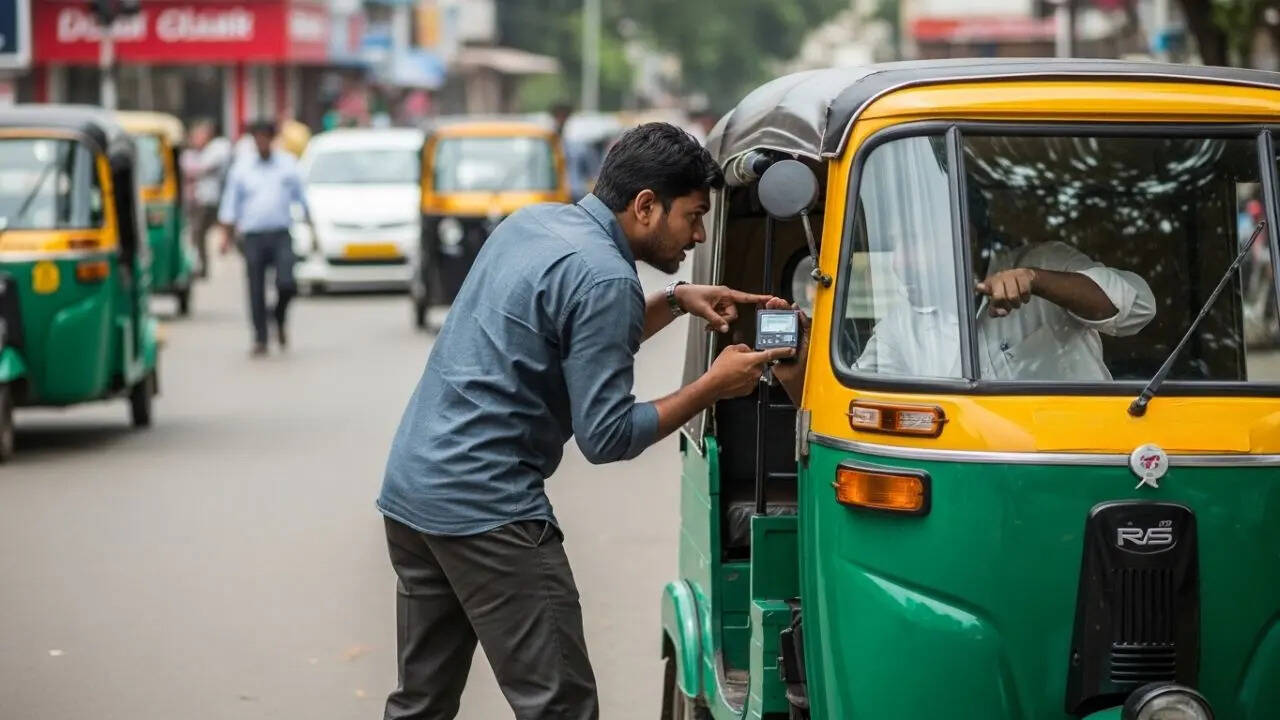
Bengaluru Ride Apps Face Auto Fare Compliance Questions
Bengaluru’s app-based auto-rickshaw market continues to face questions over fare compliance, with transport authorities issuing notices to ride-hailing platforms accused of allowing prices above the notified rates. The issue puts passengers at the centre of a wider regulatory challenge: ensuring that digital booking systems follow city fare rules while preserving convenient and reliable mobility for residents.
Karnataka’s transport department has previously directed aggregators to comply with the state’s prescribed auto-rickshaw fares. Despite those instructions, passengers continue to report situations in which app-displayed fares exceed the regulated amount, particularly when demand rises or additional charges are applied. The dispute is significant because app-based booking has become an important part of Bengaluru’s everyday transport network. Autos provide a flexible connection between neighbourhoods, Metro stations, bus stops and workplaces, particularly for commuters whose journeys do not align neatly with fixed public transport routes. Fare uncertainty can undermine that role. A passenger who sees one price on an app but is expected to pay another at the end of a journey faces a lack of predictability that can be especially difficult for students, workers and households managing tight travel budgets. The regulatory challenge is complicated by the way digital platforms calculate fares. Traditional auto fares are generally linked to distance and notified rates, while app-based systems can incorporate platform fees and other components.
During periods of high demand, the difference between regulated fares and dynamic pricing can become more pronounced. Transport experts say enforcement needs to focus not only on issuing notices but also on making fare information transparent at the point of booking. Passengers should be able to clearly see the applicable base fare, platform charges and any other permitted components before confirming a ride. There is also a larger public-transport implication. Bengaluru is investing heavily in Metro and other mass-transit infrastructure, but first- and last-mile connectivity remains essential. Autos can fill this gap efficiently, particularly around stations and in areas with limited direct bus connections. A functioning and predictable fare system can therefore complement the city’s wider shift towards public transport. For drivers, however, fare regulation also needs to account for operating costs, fuel, maintenance and the economics of platform-based work. A sustainable system must protect passengers from excessive charges without making regulated services financially unattractive for drivers. The immediate question is whether repeated regulatory notices will translate into consistent compliance.
Stronger digital monitoring, standardised fare displays and accessible passenger grievance mechanisms could make enforcement more effective.Bengaluru’s ride-app economy has become part of its urban mobility infrastructure. Ensuring that it operates within transparent fare rules is therefore not simply a consumer issue; it is essential to making everyday city travel more predictable, affordable and integrated.