Bengaluru Club Kitchens Face Fresh Food Safety Scrutiny
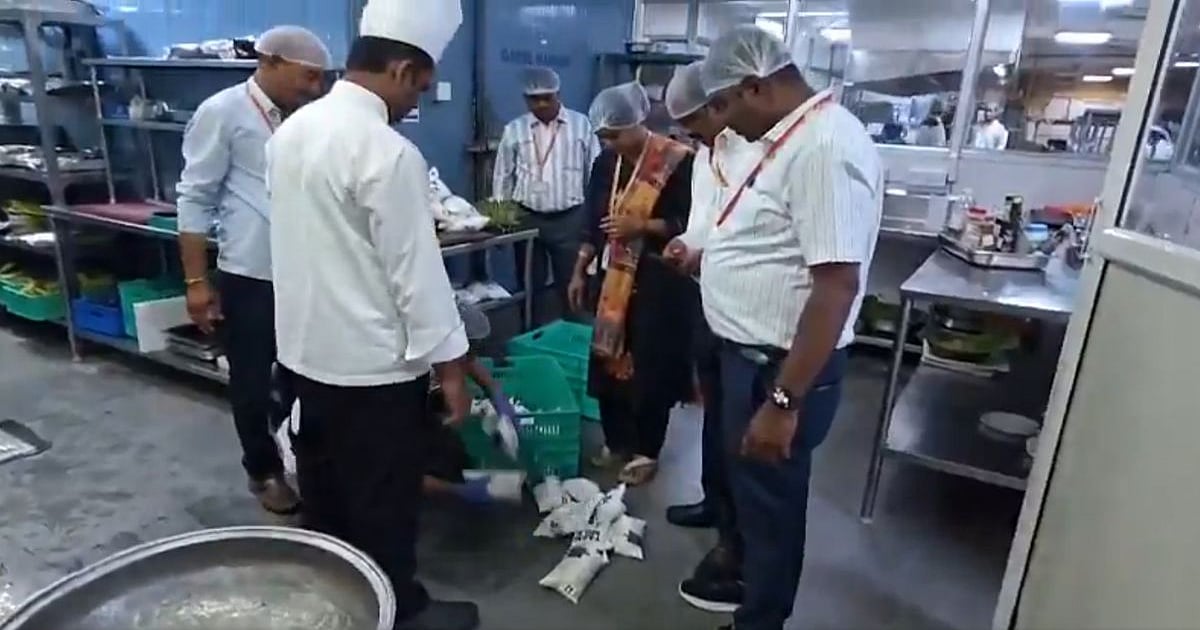
Bengaluru’s club kitchens are facing renewed scrutiny after food safety officials identified hygiene, storage and labelling deficiencies during inspections at 10 prominent establishments. The findings point to a wider urban public-health concern: food safety standards need to remain consistent across high-end private facilities and everyday eateries, particularly where large numbers of people are served.
The inspection drive covered the Century Club, Karnataka State Cricket Association Club, Race Course Club, Bowring Institute, Catholic Club, Badminton Club, Tennis Club, Vijayanagara Club, Mahalakshmi Layout Club and Malleshwaram Club. Officials identified multiple categories of non-compliance, including poor food-handler hygiene, unsuitable storage practices, drainage problems and gaps in product labelling. At the Karnataka State Cricket Association Club, inspectors reported unhygienic conditions in the frozen-storage area and found vegetarian and non-vegetarian food being stored without adequate separation. Officials also identified problems in the utensil-cleaning area, including the absence of hot water, while some packaged food products lacked mandatory information such as packing dates, batch numbers and maximum retail prices. The findings at the Bowring Institute included spoiled onions and ginger, inadequate storage practices and a lack of recent pest-control measures, according to the inspection report.Such deficiencies are significant because food safety risks can arise at several stages, from procurement and storage to preparation and cleaning, rather than only from the final meal served to customers.
The inspections are part of a broader enforcement exercise by Karnataka’s Food and Drugs Administration covering different categories of food businesses. Recent checks have extended to hotels, government canteens, quick-commerce warehouses and hospital canteens, suggesting that regulatory attention is increasingly being applied across the food supply chain. For Bengaluru, the issue is not simply about individual club kitchens. The city’s expanding hospitality and institutional food sector creates a large network of kitchens, storage facilities and food handlers that require regular monitoring. Consistent compliance also matters for consumer confidence, especially where food is prepared at scale. From an urban health perspective, preventive inspection is more effective when accompanied by transparent corrective action. Establishments found with deficiencies need clear timelines for remediation, while repeat violations should trigger proportionate enforcement. Training food handlers, maintaining cold-chain conditions, separating raw and cooked products and ensuring traceable labelling are basic safeguards rather than premium services.
The latest inspections underline a simple requirement for Bengaluru’s growing food economy: standards must apply regardless of the status or clientele of an establishment. Sustained inspections, documented compliance and accessible information for consumers can help make food safety a routine part of the city’s public-health infrastructure.