Bengaluru Chennai Expressway Route Opens New Travel Options
A largely usable road corridor between Bengaluru and Chennai is giving motorists a practical alternative to conventional highway travel, even as the full Bengaluru-Chennai Expressway remains unfinished. Recent journeys have shown that travellers can combine operational sections of the greenfield corridor with existing highways and state roads, cutting exposure to congested urban routes while highlighting gaps in safety, amenities and seamless connectivity.
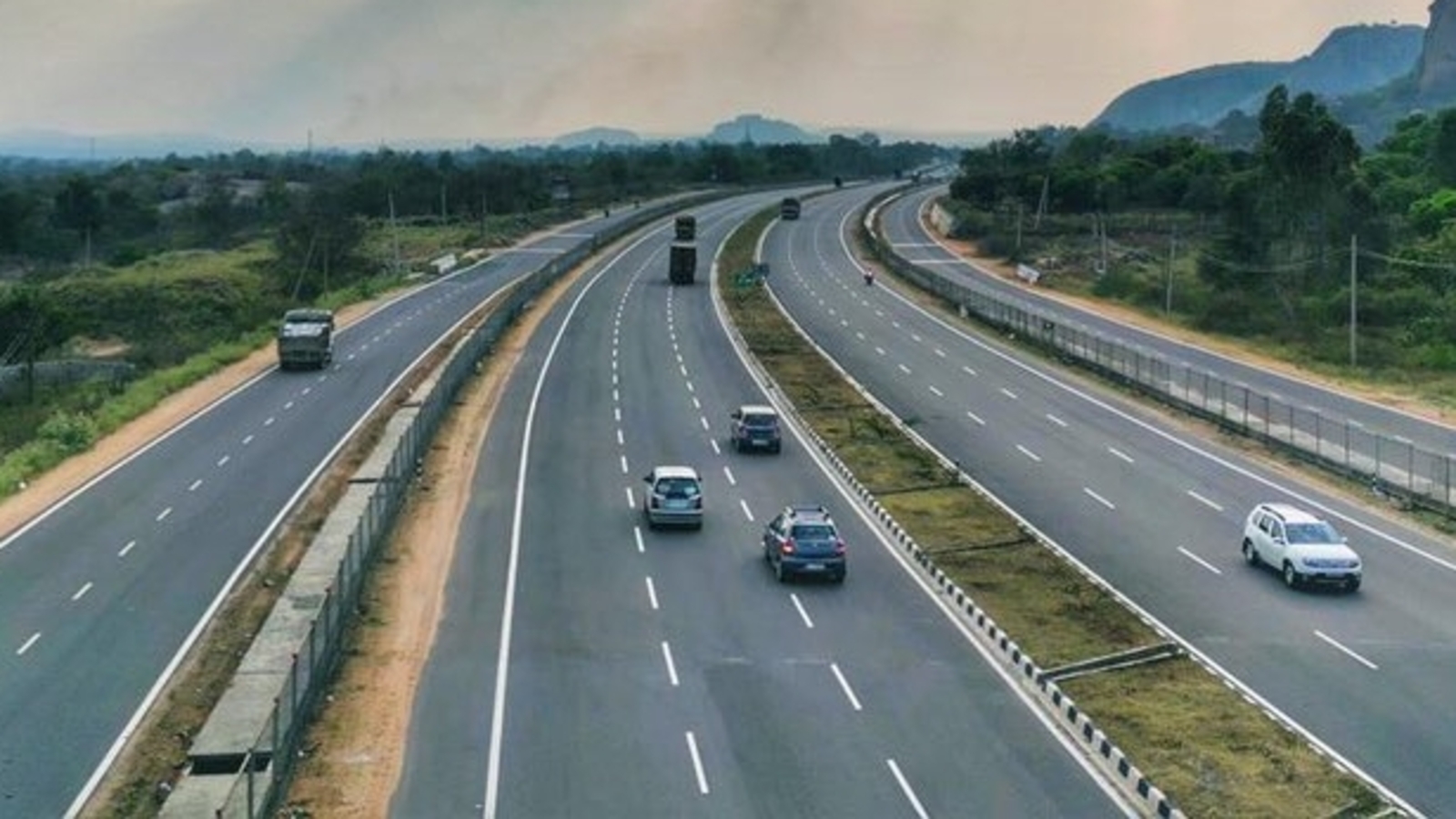
The Bengaluru-Chennai Expressway is currently functioning in sections rather than as a continuous end-to-end corridor. A recent Bengaluru-Chennai journey used the operational expressway from Hoskote towards Byreddipalli, continued through Palamaner and Chittoor, and then joined existing roads towards Chennai. The approximately 390-km trip took about 5.5 hours including a meal break, although the return journey took longer because of slower traffic on parts of the route. For travellers, the experience points to a broader shift in regional mobility. The Bengaluru-Chennai Expressway can already remove some pressure from established urban corridors, particularly around Bengaluru’s eastern edge. However, journey times remain dependent on the condition and capacity of connecting roads rather than the expressway alone. The strongest sections offer smoother movement, but gaps emerge where the route transitions into older road infrastructure.
The Pondavakkam-Tiruvallur section, for instance, includes single-carriageway stretches, numerous speed humps and ongoing widening work. Narrower links and inconsistent traffic behaviour can offset some of the time savings created by the expressway. The absence of regular food, rest and basic roadside facilities along portions of the expressway is another concern. For a corridor intended to support long-distance passenger and freight movement, dependable stopping points, emergency services, pedestrian safety measures and clear route information are important components of usable infrastructure, not secondary additions.
Government data also shows why the corridor cannot yet be considered complete. The 260-km project has faced delays, with the 25.5-km Arakkonam-Kancheepuram package in Tamil Nadu remaining a major bottleneck after construction was halted in May 2025. The Centre has said the package was affected by the concessionaire’s financial difficulties, while legal proceedings have complicated contract termination.
For Bengaluru and Chennai, the eventual value of the corridor will extend beyond shorter driving times. Better intercity connectivity can strengthen access to employment, logistics networks and regional markets while reducing dependence on congested city roads. But the infrastructure will deliver its full benefit only when the missing links, safety systems and supporting services are completed as a coordinated network.