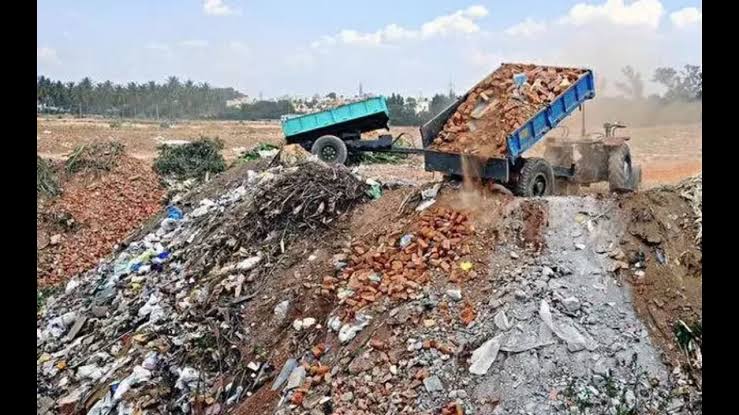
Mumbai Construction Waste Faces Digital Monitoring
Mumbai has introduced a digital monitoring system for construction and demolition waste, seeking to make developers, contractors and waste transporters accountable for where debris travels after leaving a project site. The system combines registration, GPS-based vehicle monitoring and digital records, giving the civic administration a new mechanism to tackle dumping on roads, open land, waterways and environmentally sensitive areas. The Mumbai Debris Control and Tracking System creates a digital trail covering the movement of construction waste from its source to an authorised processing or unloading facility. Registration will apply to a broad group of participants, including developers, government agencies, infrastructure bodies, contractors, transporters, architects and project consultants.
The system is significant as Mumbai continues to see large volumes of excavation, redevelopment and infrastructure activity. Poorly managed debris can obstruct roads and drains, occupy public land and increase pressure on already vulnerable waterways. Dumping near creeks and mangrove areas also creates wider environmental risks, particularly during intense rainfall when blocked drainage channels can worsen local flooding. Under the new framework, vehicles transporting construction and demolition waste will require an approved vehicle tracking system. GPS data will allow authorities to identify route deviations and investigate suspected unauthorised unloading. A penalty of up to ₹25,000 per vehicle per offence can be imposed for violations, alongside action available under environmental, planning and civic regulations. The platform also brings several administrative processes into one digital workflow. These include waste-management plan approvals, registration linked with the civic building-permission system, selection of authorised transporters and vehicles, identification of approved disposal locations, payments and digital receipts. Excavated soil, stones and other material that fall outside conventional construction waste streams are also required to be handled separately.
For the construction industry, the change could increase compliance costs but may also reduce uncertainty around documentation and authorised disposal. Smaller contractors and redevelopment projects, however, will need accessible registration processes and adequate disposal capacity if enforcement is to work without creating bottlenecks. Urban planners say technology alone will not resolve Mumbai’s debris problem. Construction waste tracking will be effective only if GPS alerts lead to timely field inspections, penalties are consistently enforced and authorised processing facilities can absorb demand. Clear public reporting could also help establish whether enforcement is reducing illegal dumping rather than simply shifting it to less visible locations.
The civic administration has asked major public agencies and infrastructure authorities to ensure contractors working on their projects follow the system. The next test will be whether construction waste tracking becomes a routine part of project management and delivers measurable improvements to Mumbai’s streets, drainage infrastructure and environmentally sensitive areas.