Hyderabad Schools Face Gaps In Basic Infrastructure
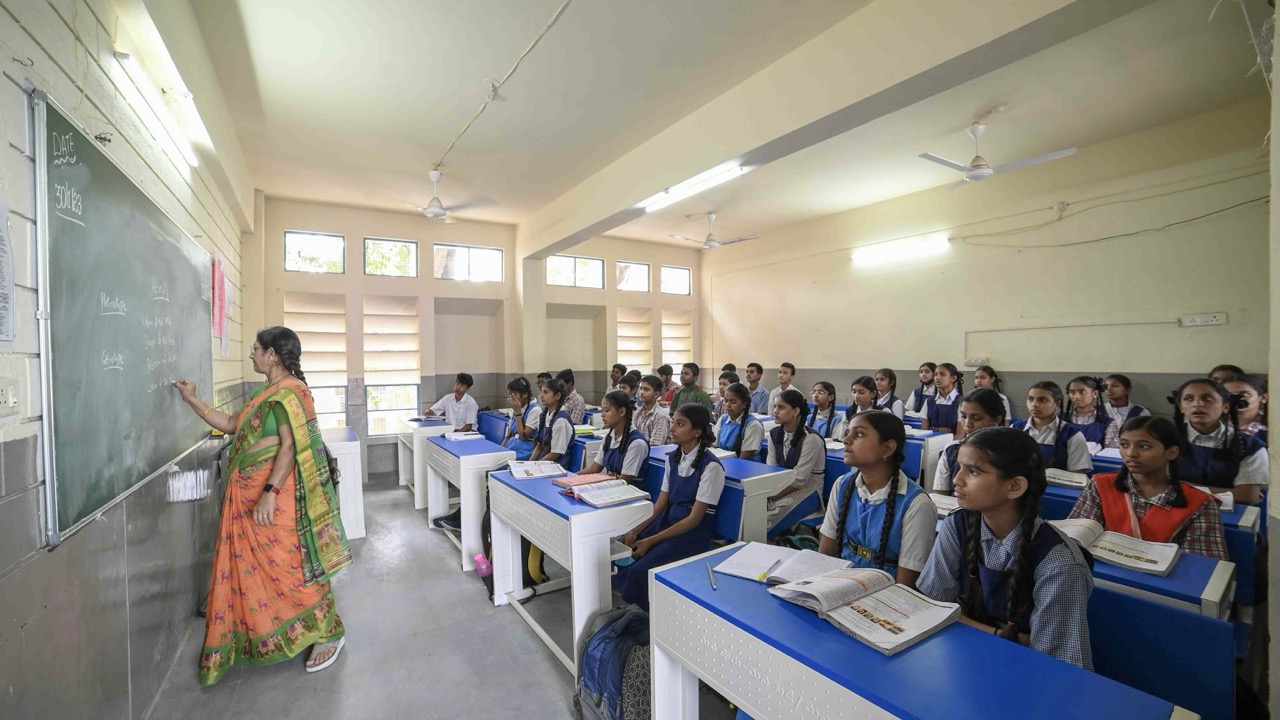
HYDERABAD: Infrastructure deficiencies in Telangana’s government schools have drawn renewed attention after the State Human Rights Commission called for urgent corrective measures. Reports of students attending lessons in open spaces, verandahs and community buildings highlight a wider concern: inadequate school infrastructure can affect not only learning outcomes but also student safety, dignity and equal access to education.
The Commission took suo motu cognisance of media reports concerning poor facilities in government schools and has asked the School Education Department to assess conditions across the State. The intervention comes as several districts continue to report problems involving damaged classrooms, delayed repairs and inadequate sanitation facilities. The issue has been reported in districts including Adilabad, Jangaon, Nalgonda and Suryapet. In one case in Nalgonda district, students were temporarily attending classes beneath trees after damaged tin-roof classrooms required repairs following heavy rainfall. Such conditions expose a gap between the physical infrastructure required for safe schooling and the realities faced by students in some government institutions. Classrooms, toilets, drinking water, weather-resistant buildings and basic maintenance are not peripheral facilities; they form part of the environment in which children are expected to spend much of their day.
The concern also has a broader urban and regional development dimension. Government schools serve large numbers of children from households that may have limited alternatives when local public infrastructure is inadequate. Persistent deficiencies can therefore deepen inequalities between students based on geography and household income. The Commission has directed the Principal Secretary of the School Education Department to collect infrastructure-related reports from District Educational Officers. The department has also been asked to take up the matter with the Chief Secretary and submit an action-taken report within six months. The timeline places responsibility on the administration to move beyond identifying individual repair needs and examine whether existing systems for school maintenance are adequate. A statewide assessment could help identify buildings requiring immediate intervention, recurring maintenance problems and districts where infrastructure shortages are more pronounced.
For Telangana, the challenge is not limited to repairing damaged classrooms. Ensuring safe and functional schools requires regular inspections, timely maintenance and adequate basic amenities, particularly in areas exposed to extreme weather. Strengthening this infrastructure would support a more resilient public education system while ensuring that children are not forced to compromise their safety or learning environment because of preventable facility gaps.