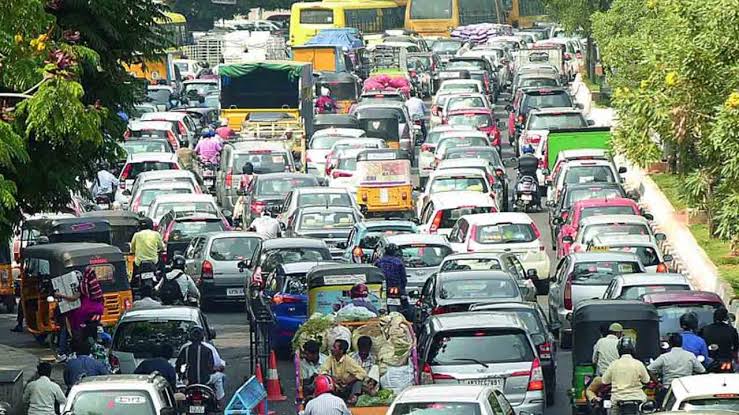
Hyderabad Nagpur Highway Traffic Disrupted after Lorry Overturns
HYDERABAD: Nalgonda is entering a major infrastructure expansion phase, with projects worth about ₹1,400 crore under implementation across roads, water supply, drainage and urban connectivity. The investment is intended to strengthen basic services while preparing the Telangana town for faster growth, but the scale of development also places greater importance on coordinated land use and climate-resilient infrastructure.
Among the largest projects is a ₹900-crore Outer Ring Road planned around Nalgonda. The road is expected to divert traffic away from the core urban area and improve connectivity between different parts of the town. If integrated with public transport and existing roads, the project could also influence where future residential and commercial development takes place. Water infrastructure is another major component of the plan. Works estimated at ₹125 crore are being taken up to provide round-the-clock drinking water to Nalgonda. The government has indicated that the project is targeted for completion within six months. Reliable water supply is increasingly important as towns expand, particularly where population growth can place additional pressure on existing networks. The government is also planning an underground drainage system estimated to cost ₹300 crore. Alongside this, concrete roads and wider roads are proposed across the town’s wards. Such investments could improve basic urban services, but their long-term value will depend on maintenance, stormwater management and coordination with other infrastructure projects.
The development programme extends beyond municipal infrastructure. The Srisailam Left Bank Canal (SLBC) tunnel remains a major irrigation priority for the region, with August 2028 set as the target for completion. The estimated project cost has risen from ₹2,000 crore to ₹5,000 crore, while the government is working to mobilise funds and accelerate construction. For Nalgonda, the combined infrastructure programme could support economic activity by improving movement, water access and urban services. Better connectivity may also make the town more attractive for businesses and housing, potentially widening local employment opportunities. However, large infrastructure spending does not automatically translate into sustainable urban growth. The expansion of roads and built-up areas needs to be accompanied by efficient public transport, pedestrian infrastructure, protection of natural drainage routes and adequate open spaces. Otherwise, rising construction and vehicle use could create new pressures even as existing infrastructure improves.
The immediate focus will be on delivering the announced projects within their proposed timelines. Over the longer term, Nalgonda’s transformation will depend on whether these individual investments function as a connected urban system, allowing the town to grow while keeping essential services accessible, efficient and resilient.