Navi Mumbai Expands Native Tree Cover In Koparkhairane
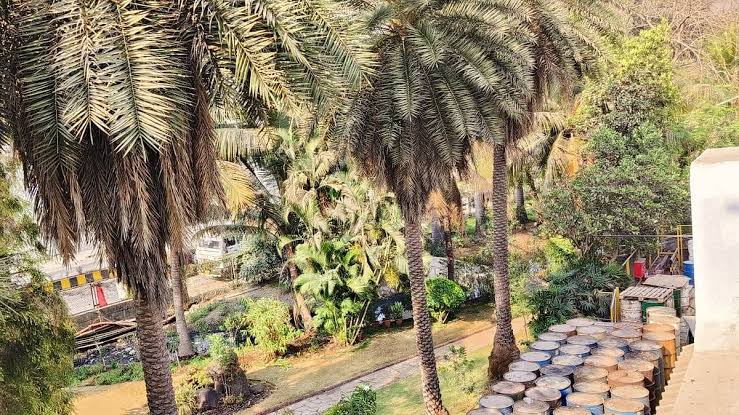
Navi Mumbai is adding another layer to its urban greening strategy, with 200 Surangi saplings planted at Nisarg Udyan in Koparkhairane. The initiative comes as the city faces growing pressure to balance construction, road infrastructure and environmental resilience. The plantation also places greater emphasis on native species, reflecting a wider shift towards managing urban greenery for biodiversity rather than measuring progress only by the number of trees planted. The saplings, sourced from Karnataka and standing about four to five feet tall, have been planted within the Sector 14 park. The activity was conducted under the Maharashtra government’s Mazi Vasundhara Abhiyan and the Ek Ped Maa Ke Naam campaign, with civic officials, residents and representatives from educational and community organisations participating.
The choice of Surangi adds a biodiversity dimension to the Navi Mumbai tree plantation programme. The evergreen species is known for fragrant flowers and can contribute to the ecological character of landscaped public spaces when matched appropriately with local growing conditions. For an expanding city, however, species selection is only one part of effective urban forestry. The more significant challenge is ensuring that newly planted trees survive beyond the initial plantation season. Navi Mumbai has recently begun examining tree failures following heavy monsoon conditions. A July review involving arborists and tree specialists identified issues including restricted root growth, excessive concretisation, waterlogging, inappropriate pruning and damage caused during utility work. The civic body is developing scientific tree-management procedures in response.
That context makes maintenance particularly important for the Navi Mumbai tree plantation drive. Young trees require adequate soil volume, irrigation, protection from physical damage and enough space for roots to develop. Without these conditions, high plantation numbers may not translate into lasting canopy cover. Nisarg Udyan itself illustrates the potential of integrating ecological restoration with public space. NMMC’s development plan identifies the Koparkhairane park among the city’s established recreational assets, while the civic administration has described the former dumpsite’s transformation into an urban forest as part of its broader green-cover strategy. The plantation programme is also being paired with a proposed Green Ward competition intended to encourage neighbourhood-level participation in planting and conservation. Such approaches can make residents partners in maintaining public greenery rather than limiting environmental action to civic departments.
For Navi Mumbai, the next measure of success will therefore be survival and ecological performance. Monitoring tree health, protecting root zones and selecting species suited to each site will determine whether individual plantation drives become a durable part of the city’s climate resilience and liveability strategy.