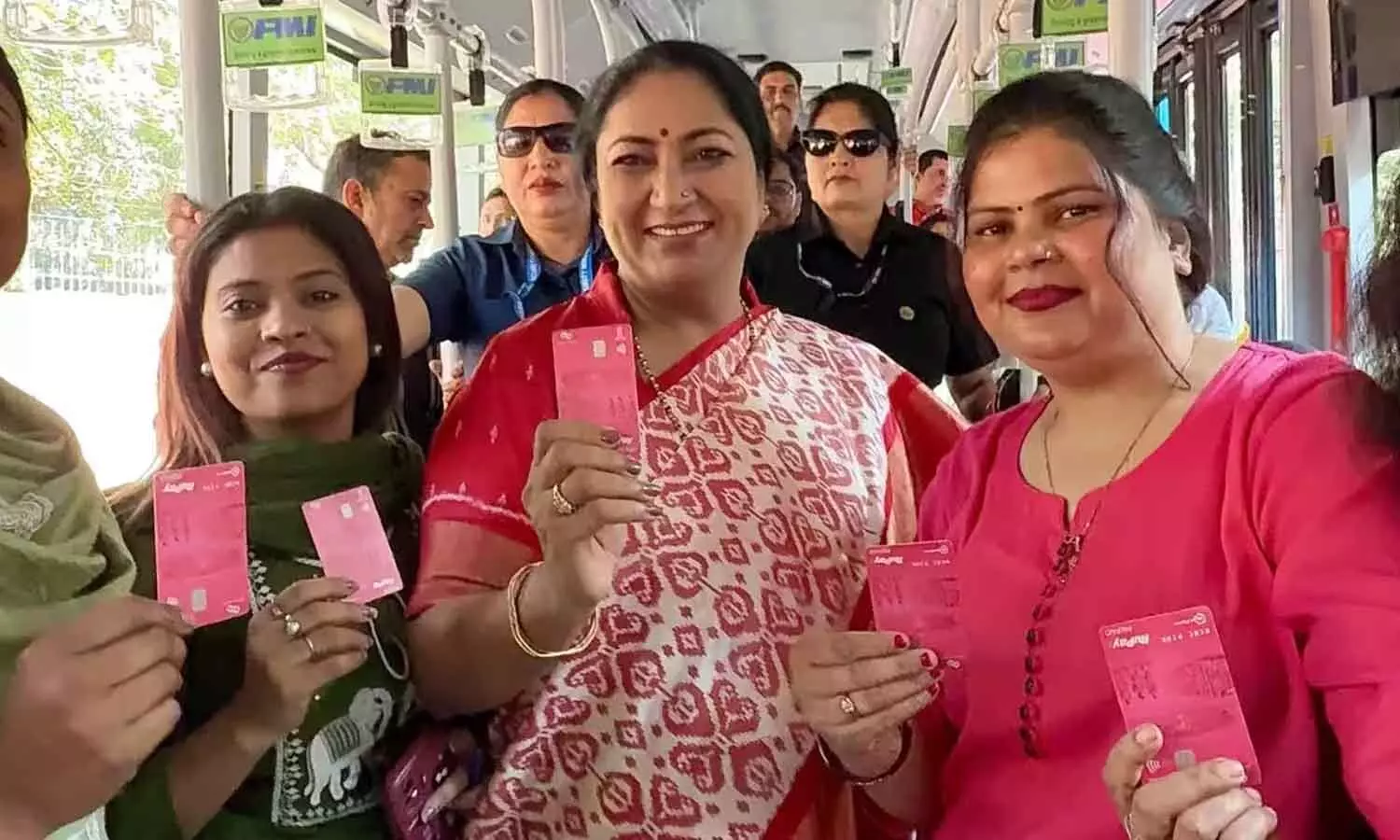
Delhi has pushed back the transition to card-based free bus travel for women, allowing eligible passengers to continue using Pink Tickets through 31 August 2026. The move gives commuters additional time before the Pink Saheli smart card becomes the required mechanism for free travel on DTC and Cluster buses from 1 September.
The extension matters because the change is more than a ticketing upgrade. It shifts access to a public transport benefit from a paper-based system to a digital mobility card. For regular bus users, particularly those who depend on affordable public transport for work, education and household travel, a smooth transition is important to prevent technology or documentation barriers from becoming a mobility constraint. Under the revised timeline, eligible women without the new card can continue travelling free of charge with a Pink Ticket until the end of August. From September, passengers will need to tap a valid Pink Saheli smart card to receive the concession. Those without an eligible card could instead be required to pay the applicable fare. The Delhi Transport Corporation’s smart-card framework identifies the Pink NCMC card as a mechanism for free travel by eligible women and transgender residents of Delhi on DTC and Cluster buses.
The system is designed as a contactless card and can also support wider public-transport use beyond the free-travel benefit. For the transport network, the transition could eventually improve passenger verification and reduce dependence on manual ticket issuance. But the immediate challenge is accessibility. Card availability, distribution points, eligibility checks and passenger awareness will determine whether the policy change works equally well across neighbourhoods. DTC has already established Pink Card distribution arrangements, with official information listing designated counters for applicants. Its published framework also sets eligibility requirements for the card, including Delhi residency and an age threshold for women applicants. Urban transport planners say such transitions work best when digital systems are introduced alongside clear communication and accessible offline support.
A free-travel policy can support household finances and improve access to jobs and services, but its effectiveness depends on whether users can obtain and operate the required card without friction. The Delhi Pink Ticket Travel extension therefore provides a short but important transition window. The immediate priority for authorities is ensuring that eligible passengers can secure the new card before September, while maintaining sufficient assistance for people who may face difficulties with registration, verification or card usage.