Maharashtra is heading into another active phase of the monsoon, with the India Meteorological Department forecasting heavy rainfall in parts of Konkan and Madhya Maharashtra while Vidarbha remains under a period of heightened weather risk. The pattern could affect road travel, hill routes and urban drainage, making preparedness important as rainfall continues across several parts of the state. The latest Maharashtra rain forecast indicates that rainfall activity will remain significant across Vidarbha through August 17. The IMD has also flagged heavy rainfall potential in parts of western and central India during the coming days. This suggests that rainfall impacts will remain uneven, with some districts facing short, intense spells rather than continuous rain.
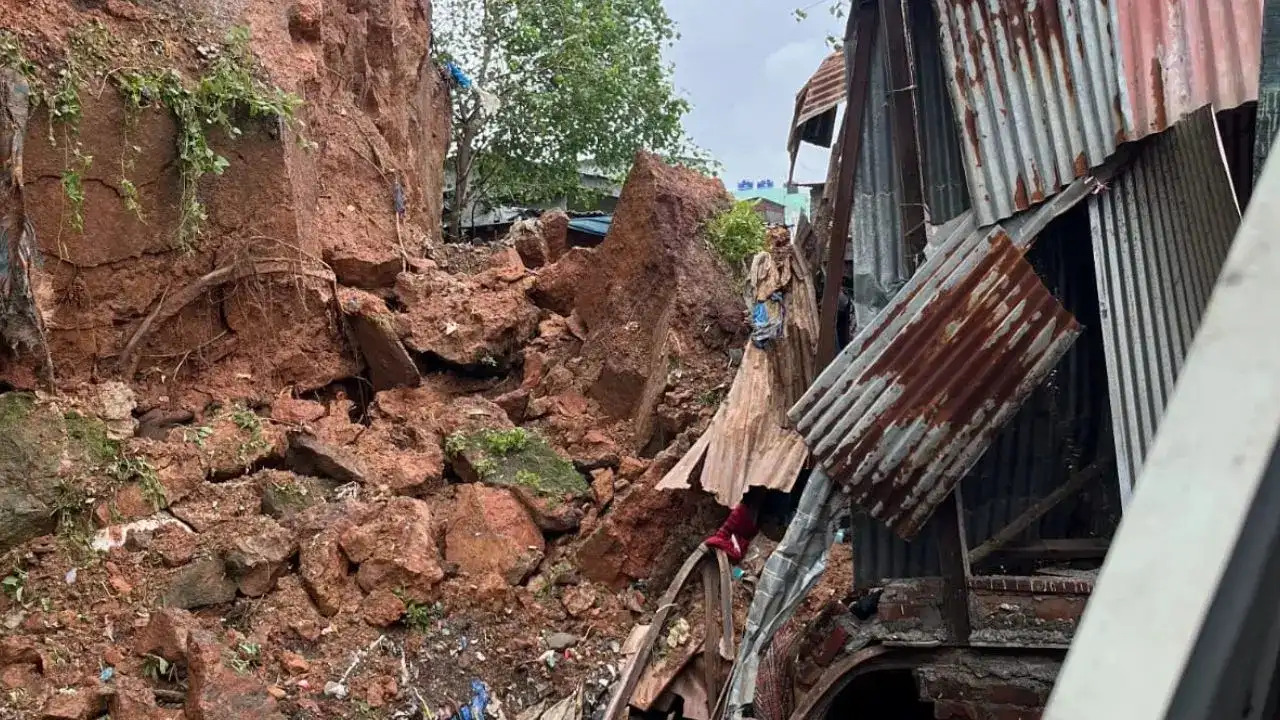
Konkan remains particularly exposed because of its coastal geography and steep terrain. Thane, Raigad, Ratnagiri and Sindhudurg can face rapid runoff when intense rainfall occurs. In such conditions, roads, culverts and drainage systems can come under pressure within a short period. The risk is greater around the Ghat sections of Madhya Maharashtra. Routes through Nashik, Pune, Satara and Kolhapur connect major urban centres with industrial, agricultural and tourism economies. Heavy rainfall can reduce visibility, trigger slope instability and disrupt road movement. Maintaining drainage channels and monitoring vulnerable slopes therefore becomes as important as responding after an incident.
Vidarbha presents a different challenge. The region is expected to see rainfall activity through the weekend and into the following week, with isolated heavy spells possible. For agricultural districts, additional rainfall can support soil moisture and water availability, but intense downpours can also create local flooding and damage crops where drainage is inadequate. The wider Maharashtra rain forecast also has implications for cities. Mumbai and other rapidly urbanising centres depend on drainage networks designed to move stormwater quickly through highly built-up areas. When rainfall arrives in concentrated bursts, paved surfaces leave less space for water to infiltrate naturally. This increases pressure on drains, pumping stations and low-lying transport corridors. For businesses, commuters and local administrations, the economic cost of disrupted mobility can extend beyond the period of rainfall. Delays affect workers, freight movement, tourism and supply chains. Climate-resilient planning therefore requires infrastructure that can function during increasingly variable weather, alongside better land-use and watershed management.
The immediate priority is to monitor district-level warnings and local conditions, particularly in vulnerable Ghat and low-lying areas. With the monsoon still active, the effectiveness of Maharashtra’s response will depend not only on emergency preparedness but also on how well infrastructure absorbs, stores and safely moves excess water.