Mumbai Moves Festival Permissions To Digital Platform
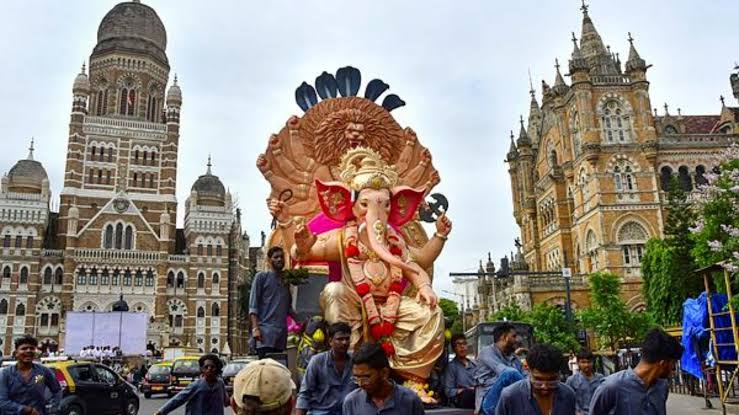
Mumbai has shifted the approval process for public Ganeshotsav installations to an online system, bringing civic scrutiny, police clearances and traffic permissions into a single application route ahead of this year’s festival. The Ganeshotsav pandal permissions system, operational from August 14 to September 13, is intended to reduce administrative delays while giving the civic body greater oversight of structures occupying roads, footpaths and other public spaces. The digital process covers both fresh applications and renewals. Organisers can submit requests through the civic website, after which the relevant ward office will examine the proposal before seeking clearances from local and traffic police. First-time applicants using public or private land will face an additional approval stage involving the zonal deputy commissioner.
For established mandals, the system also introduces a stronger verification layer. Sites covered by longer-term permissions will be physically inspected to confirm that the proposed structure remains within the approved location and footprint. This matters in a city where temporary festival infrastructure can compete with pedestrian movement, road capacity, emergency access and public transport space. The Ganeshotsav pandal permissions framework also links digital approval with on-ground safety responsibilities. Two volunteers from every public mandal will be required to attend a training session covering areas such as crowd control, fire response and first aid. For Mumbai, where major festival gatherings can attract large crowds within constrained neighbourhoods, basic emergency preparedness can be as important as faster paperwork.
The civic body is also drawing attention to the physical impact of pandal construction. Organisers have been instructed not to drill or excavate roads and footpaths to secure temporary structures. Alternative installation methods are being encouraged, reducing the risk of damaged pavements and roads and limiting disruption after festivals end. This has wider implications for pedestrian accessibility and municipal maintenance costs. Festival infrastructure must additionally meet fire-safety provisions, advertising controls, licensing conditions and public-health requirements. These requirements place responsibility on organisers to treat temporary structures as part of the city’s wider public-space management system rather than isolated event sites. The digital approach could also create a more consistent record of approvals across wards. For civic authorities, centralised applications can make it easier to track locations, identify overlapping demands for public space and coordinate with agencies responsible for traffic and policing. For organisers, a clearer process may reduce repeated visits to municipal offices. The model will be tested further during Navratri, when applications for public celebrations will open from September 10. The longer-term measure of success, however, will be whether digital processing is matched by effective field inspections and enforcement.
For Mumbai, Ganeshotsav pandal permissions are ultimately about balancing cultural activity with safe, accessible and resilient public spaces. A faster approval system will have greater value if it also protects pedestrians, emergency routes, neighbourhood mobility and the condition of civic infrastructure.