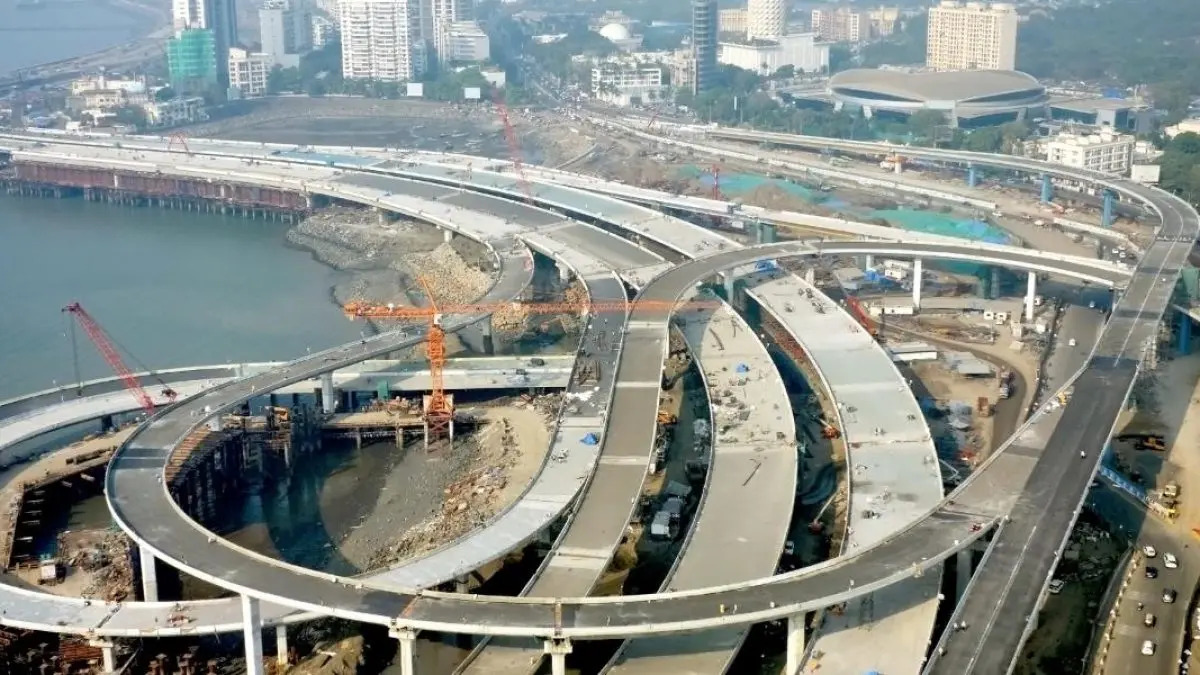
Mumbai is set for a significant expansion of its transport network with three infrastructure milestones scheduled across the metropolitan region. A new section of Metro Line 2B is set to extend services towards Chembur, the latest SCLR link will strengthen access to BKC, and tunnelling is advancing on the Borivali–Thane corridor. Together, the projects could reduce pressure on congested roads while improving connections between rail, metro and employment centres. The Metro Line 2B extension is particularly important because its Chembur station brings multiple transport modes closer together. The wider 23.64-km corridor is designed to connect Mumbai’s eastern and western suburbs and integrate with suburban rail, monorail and other metro corridors. MMRDA expects the completed line to substantially reduce journey times depending on road conditions.
The Chembur interchange opportunity could also influence how people move beyond the immediate metro catchment. Better physical connections between the metro, monorail and suburban railway can make public transport more useful for short as well as longer journeys. However, the benefit will depend on pedestrian access, signage, safe crossings and convenient interchange facilities. A station that is technically connected but difficult to reach on foot can weaken the value of multimodal planning. The SCLR extension addresses a different problem: road congestion around one of Mumbai’s busiest business districts. The final link towards Bandra-Kurla Complex is intended to provide a more direct connection between the Western Express Highway and BKC, reducing the need for vehicles to pass through the Kalanagar area. MMRDA has described the broader SCLR corridor as nearing completion, with the BKC–Vakola connection forming its final major component.
For commuters, the road project could shorten individual journeys. For the city, however, the bigger question is whether additional road capacity encourages more private vehicle use. Urban transport planners increasingly assess such projects alongside mass transit rather than treating road expansion as a standalone congestion solution. The strongest outcome would be a network in which improved road links support buses and emergency movement while metro expansion absorbs a larger share of daily passenger trips. The third milestone involves the Thane–Borivali twin-tunnel project, where the second tunnel is set to enter the construction phase using a tunnel boring machine. The underground corridor is designed to provide a faster connection between the eastern and western sides of the northern metropolitan region while passing beneath the Sanjay Gandhi National Park. The environmental sensitivity of that alignment makes construction controls especially important. Underground infrastructure can reduce surface disruption, but it still requires rigorous monitoring of excavation, groundwater, traffic and ecological impacts.
Mumbai’s connectivity challenge is ultimately about integration rather than individual projects. If these links are supported by reliable public transport, safe walking routes and coordinated interchanges, they can improve access to jobs and services without simply shifting congestion from one corridor to another. The real measure of success will be whether the new infrastructure makes sustainable travel easier for everyday commuters.