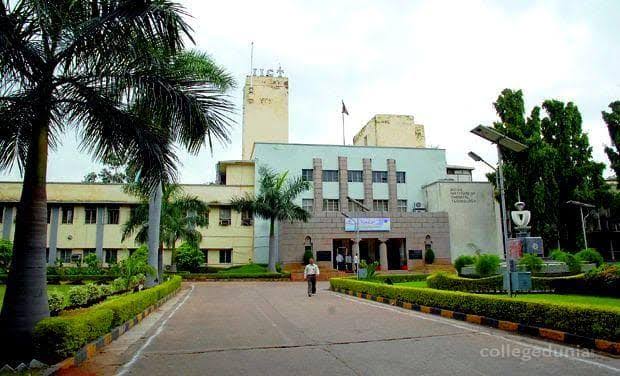
Hyderabad CSIR IICT Expands Sustainable Research Infrastructure
Hyderabad has strengthened its scientific and industrial research ecosystem with the inauguration of three new facilities at the CSIR–Indian Institute of Chemical Technology (CSIR-IICT). The additions are expected to support cleaner manufacturing, advanced process engineering and resource-efficient technologies, reinforcing the city’s growing role in sustainable industrial innovation and applied scientific research.
The newly commissioned infrastructure includes an effluent treatment plant designed for textile wastewater, a facility dedicated to continuous processing technologies and a sustainable engineering complex. Together, these facilities are intended to support research that addresses environmental challenges while improving industrial productivity and technology transfer. The CSIR IICT Hyderabad expansion reflects the increasing emphasis on developing research infrastructure that bridges laboratory innovation with practical industrial applications. Scientists and policy experts believe such facilities can accelerate the development of cleaner production methods, reduce industrial waste and strengthen collaboration between research institutions and manufacturing sectors. Speaking during the inauguration, a senior Union government representative highlighted the growing contribution of national research laboratories in expanding scientific outreach and supporting technological innovation. The official emphasised the importance of translating research into commercially viable solutions through stronger partnerships with industry, startups and micro, small and medium enterprises.
The institute’s new wastewater treatment infrastructure is expected to contribute to research on sustainable water management, an area of increasing importance as industries face tighter environmental regulations and growing pressure to reduce freshwater consumption. Similarly, continuous processing technologies can improve manufacturing efficiency by reducing energy use, lowering operational costs and minimising production waste compared with conventional batch-based systems. The sustainable engineering complex is expected to provide researchers with an integrated platform for developing technologies linked to cleaner industrial processes, circular economy practices and resource-efficient production. Experts note that investments in such infrastructure are increasingly important as India’s manufacturing sector seeks to balance economic growth with environmental responsibility.
The event also highlighted opportunities for closer collaboration between agricultural research and industrial innovation. Officials stressed that converting agricultural residues into value-added products and advancing clean energy technologies could create new economic opportunities while reducing waste generation. Researchers pointed to emerging technologies involving bio-based fuels, carbon utilisation and waste valorisation as examples of innovation supporting climate-conscious industrial development. As CSIR IICT Hyderabad continues to expand its research capabilities, the new facilities are expected to strengthen Hyderabad’s position as a centre for chemical sciences, sustainable engineering and industrial technology. Experts believe continued investment in research infrastructure, industry partnerships and technology commercialisation will play a significant role in supporting India’s transition towards a more resilient, resource-efficient and innovation-driven economy.