


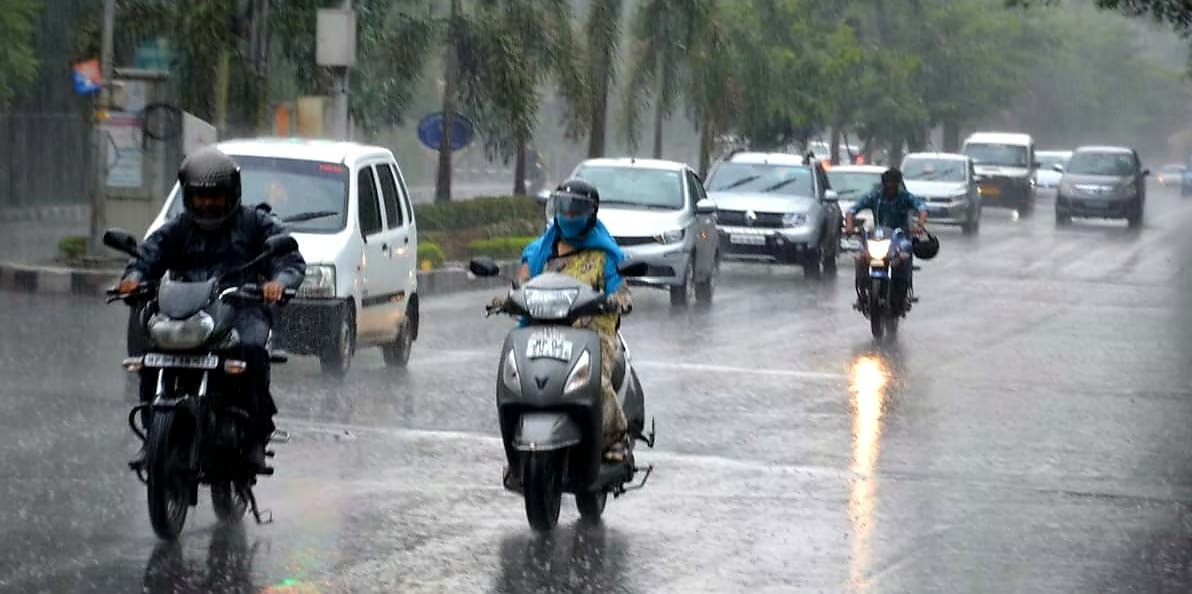
Pimpri Chinchwad: The industrial hub of Pimpri Chinchwad experienced an intense deluge on Sunday evening, with rainfall measuring an unprecedented 114.5 mm within a brief period of just over an hour. The downpour, which occurred between 4 pm and 5.15 pm, resulted in significant waterlogging throughout the city, disrupting normal life and leaving several areas submerged.
According to officials from the India Meteorological Department (IMD), the sudden and intense rainfall was attributed to localised convective activity, indicative of a strengthening monsoon in the region. While the rest of Pune district, including Pune city, remained relatively dry, Narayangaon recorded 34 mm of rainfall.
“The heavy rain in Pimpri Chinchwad was due to intense localised convective activity, demonstrating the monsoon’s strengthening in the region. Coastal Maharashtra has also seen increased rainfall in recent days,” an IMD Pune official stated.
The IMD official further explained that the south-westerly winds are gaining strength, suggesting that both the coastal areas of Maharashtra and the hilly regions of Pune district are expected to receive heavy to very heavy rainfall in the coming days. “Models indicate that regions such as Konkan and the ghat areas of Pune district will experience significant rainfall,” he added.
The intense rainfall led to severe waterlogging in multiple areas of Pimpri Chinchwad. Localities such as Bhatnagar, Milind Nagar, and Anand Nagar were among the worst affected. In several parts of the city, roads were inundated, compelling motorists to abandon their vehicles and wait for the floodwaters to recede.
This deluge has highlighted the need for improved urban drainage systems and better infrastructure to manage such extreme weather events. The frequent occurrences of waterlogging in urban areas not only disrupt daily life but also pose significant challenges to urban planners and administrators.
As the monsoon continues to intensify, the authorities are urged to take proactive measures to mitigate the impact of heavy rains and ensure the safety and well-being of the residents. Enhanced monitoring and timely dissemination of weather forecasts can help in better preparedness and response to such natural calamities.
The recent events underscore the importance of building resilient infrastructure capable of withstanding extreme weather conditions, a necessity for industrial cities like Pimpri Chinchwad that are vital to the region’s economy.
