


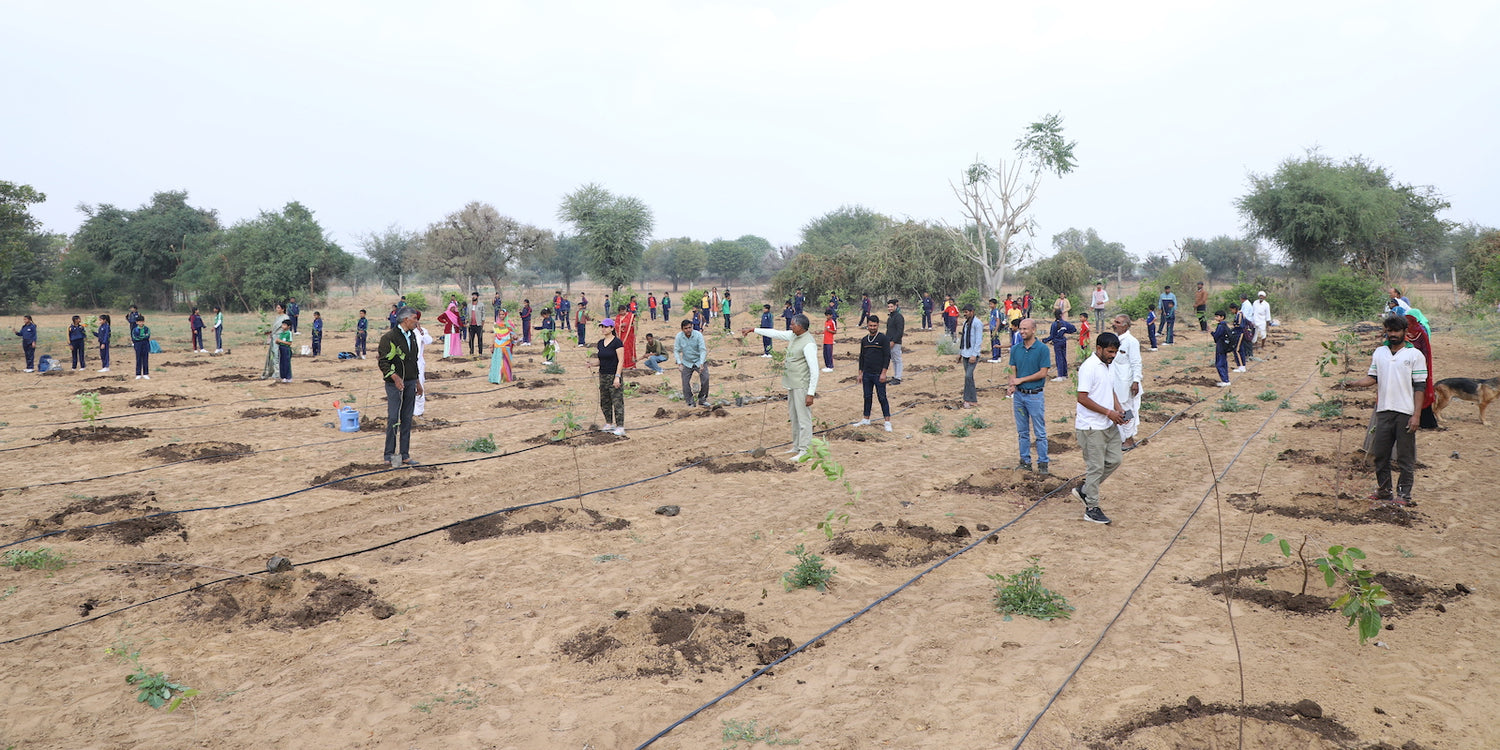
A large-scale plantation initiative planned in Bengaluru is expected to place renewed focus on the city’s shrinking green cover and growing climate vulnerabilities as urban expansion continues to reshape its ecological landscape. Civic authorities are preparing an extensive sapling plantation campaign scheduled for World Environment Day, with officials aiming to mobilise residents, institutions, and community groups across multiple zones of the metropolitan region.
The proposed drive, expected to involve the planting of nearly 1.5 million saplings in a single day, comes amid rising concerns over worsening air quality, urban heat retention, groundwater stress, and declining biodiversity in Bengaluru. Once recognised for its network of lakes and tree-lined neighbourhoods, the city has witnessed substantial ecological pressure over the past decade due to rapid construction activity, road expansion, and high-density real estate growth.Urban environmental experts say plantation campaigns can play a meaningful role in improving local ecosystems when integrated with long-term land-use planning and maintenance strategies. Trees contribute to temperature regulation, carbon absorption, stormwater management, and improved public health outcomes, particularly in densely populated urban corridors where concrete infrastructure dominates the landscape.Officials associated with the initiative indicated that the programme will involve educational institutions, resident welfare associations, civic volunteers, and government departments. Authorities are also expected to identify public land parcels, road medians, lake surroundings, and institutional campuses for plantation activity.
However, ecologists caution that the effectiveness of such campaigns depends less on the number of saplings planted and more on post-plantation survival rates, species diversity, and ecological suitability.Past urban greening efforts in Indian cities have often faced criticism due to inadequate maintenance, poor monitoring, and reliance on non-native species with limited environmental value.Urban planners argue that Bengaluru’s environmental future will require more systemic interventions beyond symbolic plantation exercises. These include stronger lake restoration programmes, preservation of open spaces, stricter land-use controls, pedestrian-friendly urban design, and climate-sensitive infrastructure planning. As the city experiences increasingly erratic rainfall and rising summer temperatures, experts believe urban forestry must become part of a broader resilience strategy rather than an isolated civic event.The plantation drive also reflects a wider shift among Indian urban administrations towards visible climate action initiatives as sustainability becomes more central to public policy discussions. Cities across the country are increasingly under pressure to balance economic growth with ecological protection, particularly as extreme weather events begin affecting infrastructure reliability and quality of life.
For Bengaluru residents, the campaign may carry symbolic significance beyond environmental targets. Public participation in urban greening initiatives is increasingly viewed as an indicator of civic engagement and shared responsibility in shaping healthier cities.Whether the initiative achieves record-setting recognition or not, urban sustainability specialists maintain that its long-term success will depend on consistent ecological stewardship, transparent monitoring, and the ability of city agencies to protect green assets from future development pressures.
Also Read:Karnataka Urban Welfare Plans Target City Specific Needs
