


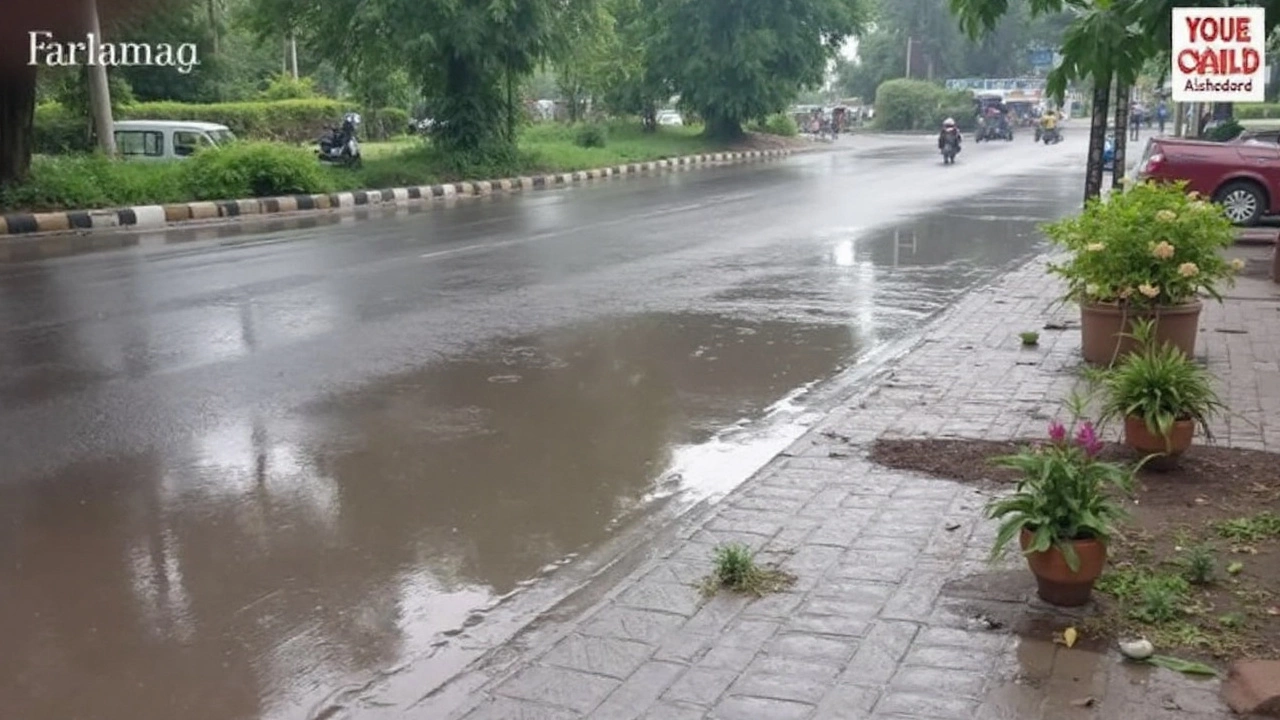
A sudden spell of rain and hail across Faridabad and several parts of the National Capital Region has brought temporary relief from rising summer temperatures, easing outdoor discomfort and reducing surface heat in densely built urban zones. The weather shift, witnessed during the opening weeks of April, also highlighted how intermittent rainfall continues to influence urban heat patterns across rapidly expanding NCR cities.
Residents across Faridabad, Noida, Ghaziabad and parts of Delhi reported cooler evenings and improved outdoor conditions after scattered showers swept through the region. Public spaces, neighbourhood markets and transport corridors saw increased movement as temperatures dipped following multiple days of overcast skies. The cooling effect was particularly noticeable in high-density residential areas where concrete-heavy development often intensifies heat retention during peak summer months. According to meteorological observations, Faridabad and nearby NCR districts experienced four rainy days between April 1 and April 8. During this period, daytime temperatures largely remained below seasonal averages. Although temperatures gradually climbed after April 9, the mercury crossed the 40-degree mark only by mid-April, indicating that the rainfall delayed the onset of extreme heat conditions.
Urban climate experts say such weather fluctuations are becoming increasingly important for cities grappling with rising heat stress, declining green cover and expanding construction activity. Intermittent rainfall events can temporarily moderate the urban heat island effect, where built-up surfaces absorb and trap heat more intensely than surrounding rural areas. However, specialists caution that these short-term relief spells cannot replace long-term climate adaptation measures. The latest Faridabad weather shift also exposed the uneven preparedness of NCR cities for climate-linked disruptions. While the rainfall brought down temperatures, some localities experienced waterlogging and traffic congestion, underscoring ongoing gaps in drainage planning and resilient urban infrastructure. Mobility disruptions during sudden weather events continue to affect daily wage workers, commuters and informal sector businesses that rely heavily on predictable transport access.
Environmental planners argue that the recurring cycle of heat spikes followed by erratic rain demonstrates the need for more climate-responsive urban development across NCR. Measures such as expanding tree cover, protecting urban water bodies, improving permeable surfaces and strengthening local drainage systems are increasingly being viewed as essential civic investments rather than optional sustainability goals. The Faridabad weather shift arrives at a time when several north Indian cities are preparing for a prolonged summer season expected to bring higher electricity demand, pressure on water supply systems and increased health risks linked to heat exposure. Weather officials indicate that further fluctuations in temperature and isolated rain activity may continue through the coming weeks, offering intermittent relief but also testing the resilience of rapidly urbanising regions. As NCR cities continue to grow vertically and outward, experts say integrating climate-sensitive planning into transport, housing and public infrastructure policies will become critical to reducing the long-term economic and social costs of extreme weather patterns.
Also read:
Faridabad Weather Shift Brings Relief Across NCR
