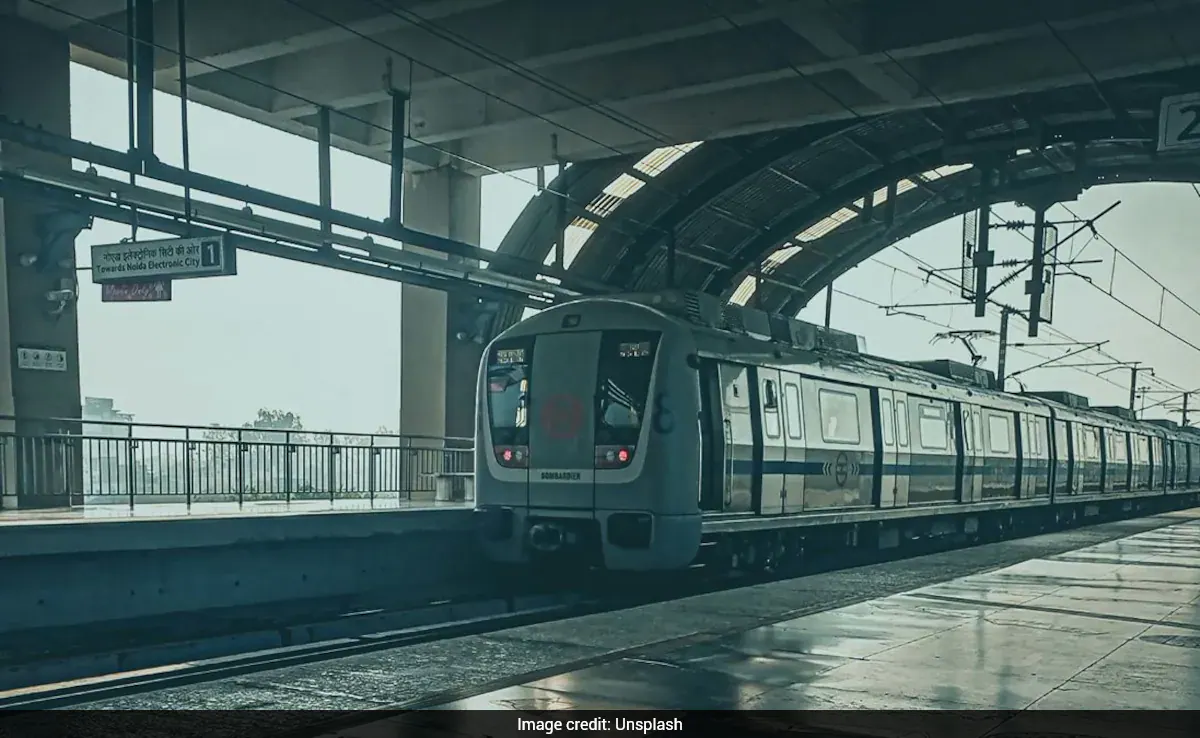
A proposed Delhi Metro corridor connecting Shastri Park and Mayur Vihar Phase 3 is expected to significantly improve mobility across densely populated neighbourhoods in East Delhi and parts of NCR, while easing pressure on overcrowded road networks and existing transit lines. Urban transport planners say the corridor could become a crucial eastward mobility spine for thousands of daily commuters dependent on buses, shared transport, and private vehicles.
The planned Metro stretch is being positioned as part of Delhi’s broader push towards multimodal, lower-emission urban mobility at a time when traffic congestion and rising vehicular pollution continue to strain the capital’s infrastructure. The proposed alignment is likely to improve access between residential clusters, commercial pockets, and interchange stations that currently face fragmented last-mile connectivity. According to officials familiar with the project planning, the Shastri Park–Mayur Vihar Phase 3 Metro corridor is expected to pass through several high-density settlements where road expansion remains difficult because of limited urban land availability. Transport experts note that improving rail-based connectivity in such areas can reduce travel uncertainty, lower dependence on informal transit systems, and improve commuting safety, particularly for women, students, and elderly passengers.
The proposal also reflects a wider urban development pattern emerging across Delhi-NCR, where public transit infrastructure is increasingly being linked to economic productivity and environmental resilience. Planners argue that future infrastructure investments in mature urban regions must prioritise high-capacity public transport over road widening, which often leads to induced traffic growth and higher carbon emissions. The corridor may also help strengthen integration between East Delhi and rapidly expanding residential districts in neighbouring NCR zones. Real estate observers believe better transit access could reshape housing demand patterns in comparatively affordable eastern neighbourhoods, particularly among middle-income families seeking shorter travel times to commercial centres.
Recent weather fluctuations and recurring heat conditions across NCR have further reinforced the urgency of improving sustainable mobility systems. Urban policy specialists point out that reliable Metro connectivity reduces exposure to heat stress for commuters waiting in traffic or relying on poorly sheltered transport systems. Climate-responsive infrastructure, including shaded stations and pedestrian-friendly access, is increasingly being viewed as essential in Indian cities experiencing longer and more intense summers. While detailed timelines and execution phases are still under discussion, transport authorities are expected to undertake technical feasibility assessments and mobility studies before final approvals. Land constraints, funding structures, and inter-agency coordination are likely to remain key challenges during implementation. Even so, the Shastri Park–Mayur Vihar Phase 3 Metro corridor signals a continuing shift towards transit-led urban planning in Delhi, where future growth is increasingly tied to cleaner mobility, equitable access, and more connected neighbourhoods rather than car-centric expansion alone.