Chennai Power Outages Raise Summer Preparedness Questions
India’s largest metropolitan regions are once again confronting the strain between rising urban energy demand and ageing electricity infrastructure, as scheduled power interruptions affected several neighbourhoods across Bengaluru, Chennai and Delhi on Sunday. The planned outages, linked to maintenance and grid stabilisation work, highlight mounting pressure on city utilities during an intense early summer heat cycle.
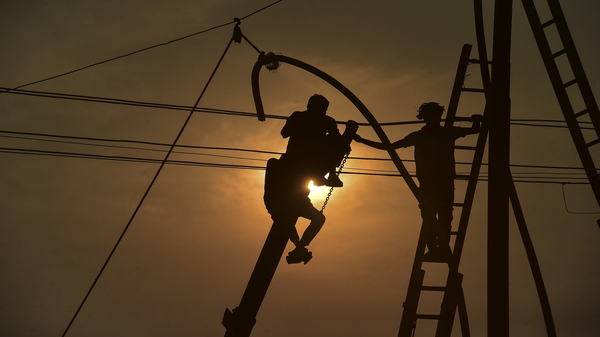
In Bengaluru, electricity distribution authorities initiated shutdowns across multiple residential and commercial zones including Hebbal, Jayanagar and Hoodi to undertake feeder line upgrades, pole replacements and network strengthening exercises. The interruptions, scheduled through most of the working day, come as the city experiences a sharp increase in cooling demand from expanding residential clusters and technology corridors.Urban infrastructure experts say such planned maintenance reflects a broader challenge facing rapidly growing Indian metros: electricity systems designed decades ago are struggling to support high-density development patterns, increased appliance usage and climate-induced heat stress. While temporary shutdowns are operationally necessary, they also reveal the absence of resilient decentralised urban energy systems capable of reducing pressure on conventional grids.Chennai witnessed a similar round of scheduled outages in Tambaram, Guindy and Porur, where maintenance activity was undertaken to improve supply reliability before peak summer demand intensifies further. The city’s electricity network has been under growing stress due to rising urban expansion along peripheral residential zones and industrial corridors.
The latest Chennai power outages have also renewed debate around infrastructure planning in fast-growing suburban regions. Urban planners note that new real estate growth often outpaces investments in transmission upgrades, resulting in periodic disruptions during extreme weather periods. As Indian cities continue to densify, electricity resilience is increasingly being viewed not only as a utility concern but also as a core urban governance issue linked to productivity, public health and economic continuity.In Delhi, distribution companies monitored heavy peak-hour consumption amid persistent heatwave conditions. While the national capital did not announce citywide shutdowns, authorities warned that demand-side management measures may be required to prevent transformer overloads and localised failures in high-consumption districts.Energy analysts believe recurring summer electricity stress across metros signals the need for accelerated investment in smart grids, battery-backed local energy storage and rooftop solar integration. Such measures are increasingly critical for reducing carbon-intensive peak demand while improving reliability in densely populated urban environments.
The disruptions also carry wider economic implications. Small businesses, remote workers, healthcare services and transport-linked commercial activities remain highly vulnerable to prolonged electricity interruptions. In cities dependent on digital infrastructure and climate-controlled workplaces, even scheduled outages can significantly affect productivity and service delivery.As India’s urban population continues to grow, experts argue that power infrastructure planning must evolve beyond emergency upgrades towards long-term climate-resilient systems. The current summer disruptions may be temporary, but they underline a deeper question confronting Indian metros: whether urban energy networks can keep pace with the scale and speed of modern city growth.