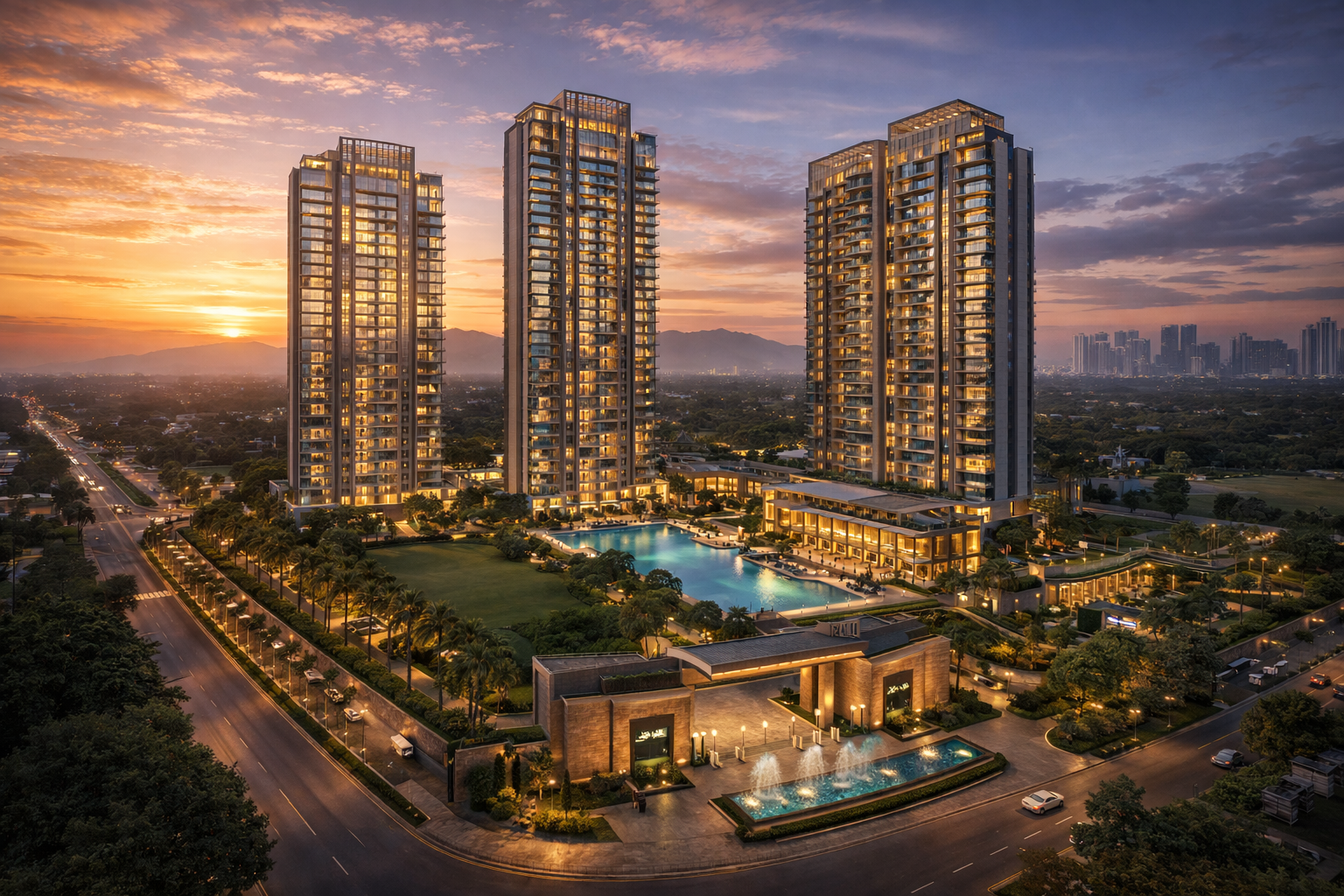
Hyderabad has emerged as South India’s largest ultra-luxury housing market after high-end residential sales crossed ₹8,562 crore during FY26, highlighting the city’s rapidly changing urban economy and the widening shift toward premium real estate development in emerging growth corridors. Homes priced above ₹10 crore accounted for a significant share of the transactions, with western districts such as Kokapet driving much of the demand.
The surge in Hyderabad luxury housing reflects broader changes underway in the city’s urban landscape. Over the past few years, large-scale infrastructure investments, IT sector expansion and improved connectivity have accelerated the transformation of peripheral zones into high-value residential clusters. Urban economists say Hyderabad is increasingly positioning itself as a preferred destination for affluent buyers seeking larger homes, integrated townships and comparatively lower land costs than Mumbai, Bengaluru or Delhi-NCR. Market data shows Hyderabad recorded nearly four times the ultra-premium housing sales of Bengaluru during the financial year, despite the Karnataka capital posting faster annual growth in the segment. Analysts attribute Hyderabad’s dominance to its “space-value” advantage, where buyers receive substantially larger residential units for similar investment levels compared to other metropolitan markets. A defining feature of the Hyderabad luxury housing market is the rising demand for large-format apartments and gated villa developments. Nearly 57 per cent of transactions reportedly involved homes exceeding 8,000 square feet, indicating a strong preference among high-income buyers for expansive private spaces and lifestyle-driven residential communities. Urban planners say the trend reflects changing post-pandemic housing priorities, including demand for hybrid workspaces, wellness amenities and lower-density living environments.
However, the rapid growth of luxury housing has also intensified concerns around urban equity and land-use imbalance. Housing researchers note that while premium developments continue to expand across western Hyderabad, affordable and mid-income housing supply has struggled to keep pace with rising land prices. The city has already seen increasing pressure on housing affordability, particularly for first-time buyers and lower-income households. Infrastructure stress remains another concern. Large-scale residential growth in peripheral areas has increased demand for road capacity, water supply, sewage treatment and public transport connectivity. Environmental experts warn that unchecked expansion into lake-adjacent and peri-urban zones could further strain Hyderabad’s fragile urban ecosystems, especially as the city faces recurring flooding and heat-related challenges linked to climate change.Urban policy specialists argue that Hyderabad luxury housing growth could still support wider economic development if accompanied by stronger planning controls and balanced infrastructure investment. Premium residential projects often stimulate employment in construction, retail, hospitality and urban services, while also increasing municipal revenues through property taxation and commercial activity.
Yet experts caution that long-term urban success will depend on whether Hyderabad can maintain inclusive growth alongside rising wealth concentration. As premium housing reshapes the skyline, the city’s next challenge may be ensuring that infrastructure, mobility and public services evolve at the same pace as its expanding real estate ambitions.